Hourglass Body Shape: How to Identify It and Dress It Well
Discover your measurements, styling options, and celebrity inspiration for the hourglass figure.
Quick Answer
The hourglass body shape features bust and hips that stay close in size, with a clearly defined waist between them. Most guides use a waist-to-hip ratio near 0.70, bust and hips within 5%, and a waist about 25% smaller. According to NC State University SizeUSA data, about 8% of women fit this shape.
What Is the Hourglass Body Shape?
The hourglass body shape is defined by visual balance. Your bust and hips are close in size, while your waist curves inward in a clear, noticeable way. Many people also call this an hourglass figure, hourglass shape, or hourglass body type.
In measurement-based styling, the hourglass body shape usually follows three simple rules. First, your bust and hips are within 5% of each other. Second, your waist-to-hip ratio is close to 0.70. Third, your waist is at least 25% smaller than your bust and hips. Together, those proportions create the classic X-shaped outline linked with an hourglass figure.
This matters because fit issues often show up in specific ways. A dress may fit your bust and hips but feel loose or undefined at the waist. Jeans may fit your hips well but gape in the back. Jackets may need shaping through the middle to match your curves. When you know you have an hourglass body shape, those fit patterns stop feeling random.
The hourglass body shape is also less common than many people think. According to the NC State University SizeUSA research, only about 8% of women have an hourglass figure. That number helps explain why off-the-rack clothing does not always feel made for an hourglass body type, even when fashion media talks about it constantly.
Dressing Principle
The goal is not to chase one ideal. It is to understand your own shape and dress it with intention.
How to Identify an Hourglass Body Shape
The most accurate way to confirm an hourglass body shape is with three measurements: bust, waist, and hips. Use a soft tape measure and stand naturally. Measure your bust at the fullest point, your waist at the narrowest point, and your hips at the fullest point.
Once you have those numbers, compare them using the three key guidelines for an hourglass body shape.
Hourglass Measurement Guidelines
Bust and hips within 5%. If your bust is 38 inches and your hips are 39 inches, that still fits the hourglass shape range.
Waist-to-hip ratio near 0.70. Divide your waist by your hips. A 28-inch waist and 40-inch hips gives you 0.70 exactly.
Waist 25% smaller. If your bust and hips measure around 40 inches, your waist would usually be about 30 inches or less.
You can also use visual clues. In a fitted dress, an hourglass body shape usually shows a clear inward curve at the waist. Your upper and lower body look balanced rather than top-heavy or bottom-heavy. Belts often sit naturally at your waist and instantly make your proportions look even more defined.
Some people have a soft hourglass figure rather than a dramatic one. That means the same general ratios apply, but the curves look gentler. Others have a full bust hourglass shape, a full hip hourglass shape, or an athletic version of the hourglass body type. The core idea stays the same: balance above and below the waist, with visible definition in the middle.
If your numbers sit close to the edge between categories, that is normal. Body shape is a styling tool, not a test you pass or fail. It exists to help you understand fit, balance, and proportion. If you want a faster answer, try the Body Shape Calculator for a more guided assessment.
Try our free Body Shape Calculator to get a personalized assessment based on your measurements.
Body Shape Distribution
The hourglass body shape is less common than most people assume. Research from the NC State University SizeUSA study shows how body shapes distribute across women:
| Body Shape | Percentage of Women |
|---|---|
| Rectangle | 46% |
| Pear | 20% |
| Apple | 14% |
| Inverted Triangle | 14% |
| Hourglass | 8% |
Source: NC State University SizeUSA Study
What to Wear for an Hourglass Body Shape
Dressing an hourglass body shape is usually simple once you know the goal. You want to keep your natural balance, define your waist, and choose fabrics that follow your curves rather than flattening them.
Three Universal Dressing Principles
1. Balance
Since the hourglass body shape already has even proportions through the bust and hips, most outfits look best when they keep that harmony. Very heavy detail on only the top or only the bottom can disrupt the effect.
2. Define the Waist
This is often the most useful styling move for an hourglass figure. Belts, wrap shapes, tailored seams, and high-rise cuts help the waist stay visible without looking forced.
3. Follow Your Curves
The best clothes for an hourglass body type usually skim the body instead of hanging straight down. That does not mean every look must be tight. It means the garment should acknowledge your shape.
Best Tops for Hourglass Figures
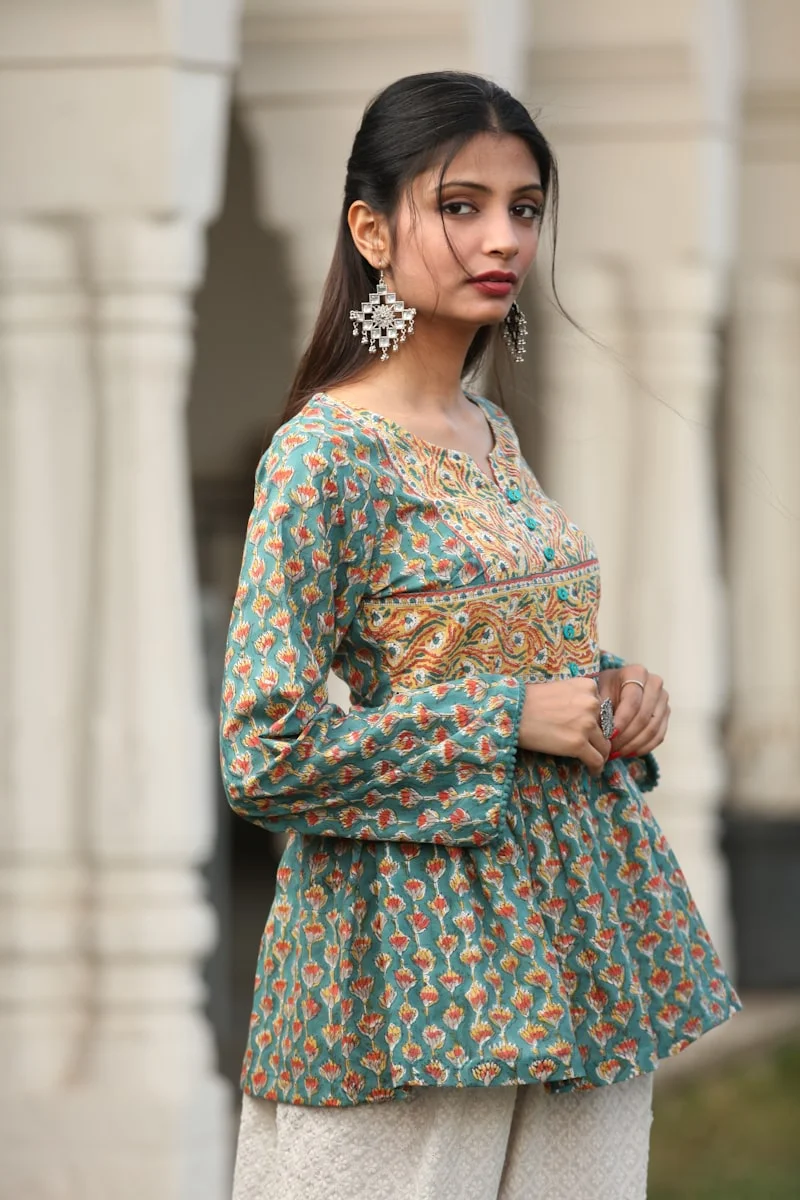
- V-necklines and scoop necks
- Wrap tops
- Fitted knits
- Peplum tops
- Softly tailored blouses
- Sweetheart necklines
Very boxy shirts can feel awkward on an hourglass body type. They often fit the bust but skip over the waist, which can make the whole outfit feel less intentional.
Best Bottoms for Hourglass Figures
- High-waisted jeans
- Tailored trousers
- Pencil skirts
- Soft A-line skirts
- Bootcut pants
- Wide-leg pants with defined waist

Low-rise bottoms often interrupt the line of an hourglass body shape. They can also create gaping at the back or a less balanced fit through the hips.
Best Dresses for Hourglass Figures
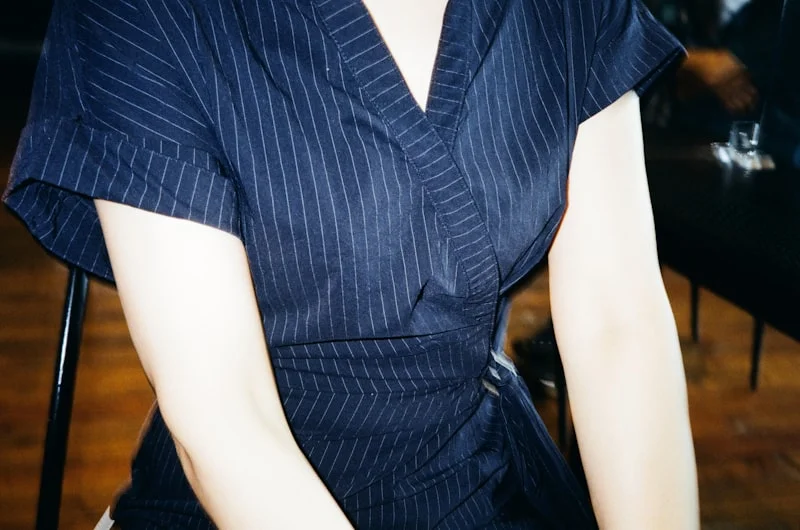
- Wrap dresses
- Fitted silhouettes
- Belted shirt dresses
- Bodycon dresses
- Classic sheath dresses
- Fit-and-flare dresses (waist seam at natural waist)
Empire waistlines, drop waists, and shift dresses are often less effective for an hourglass body type. They move the focal point away from the waist or remove shape through the middle. Stiff fabrics can create the same issue by standing away from the body instead of flowing with it.
Accessories for Hourglass Figures
- Belts (medium-width work best)
- Bags that hit near the hip
- Sleek shoes that keep the outfit refined
- Jewelry that supports the neckline
Styles to Avoid
- Shapeless, boxy clothing
- Straight tunics
- Drop-waist dresses
- Empire waistlines
- Very stiff fabrics
- Very high necklines
Celebrity Examples of the Hourglass Figure
Celebrity examples are useful when they show how varied an hourglass figure can be. Here are some well-known women often cited for their hourglass proportions:
Marilyn Monroe is one of the most famous references, often cited with measurements of 36-22-35. That combination shows classic hourglass body shape proportions with a very defined waist.
Scarlett Johansson is often described as a softer hourglass figure. Her bust and hips stay balanced, and her best red carpet looks usually emphasize the waist without overcomplicating the silhouette.
Sofia Vergara is a strong modern example of an hourglass body type. She often wears fitted gowns, sweetheart necklines, and body-skimming dresses that celebrate her curves while keeping the waist central.
Salma Hayek shows how an hourglass body shape can look compact, curvy, and powerful at the same time. Structured dresses, belted pieces, and narrow waist definition often work especially well on her frame.
Kate Winslet is another useful example because her style often feels elegant rather than overtly body-conscious. Her best looks show that an hourglass figure does not need constant bodycon dressing to look balanced.
Beyonce is frequently cited as an hourglass shape because of her balanced bust and hips plus a defined waist. Her styling often uses high-waisted bottoms, corseted gowns, and fitted stage looks that support an hourglass body type.
Christina Hendricks is often mentioned when people discuss a fuller hourglass figure. Her wardrobe choices show how well wrap dresses, pencil skirts, and tailored necklines can work on a curvier hourglass body shape.
Dita Von Teese also fits the classic hourglass image. Her vintage-inspired style highlights the waist with precision and shows how historical references still influence modern styling for an hourglass body type.
Frequently Asked Questions
What is an hourglass body shape?
An hourglass body shape means your bust and hips are close in size while your waist is clearly smaller. Many stylists use the 5% rule for bust and hips, plus a waist that is about 25% smaller. The result is a balanced silhouette with visible waist definition.
How do I know if I have an hourglass figure?
Measure your bust, waist, and hips, then compare them. You likely have an hourglass figure if your bust and hips are within 5% of each other and your waist is much smaller. A waist-to-hip ratio near 0.70 is another common sign.
What percentage of women have an hourglass body shape?
About 8% of women have an hourglass body shape according to the NC State University SizeUSA study. That makes it less common than many people assume. It is talked about often in fashion, but it is not the dominant female body shape in real population data.
What is the ideal waist-to-hip ratio for an hourglass?
A waist-to-hip ratio of about 0.70 is the most commonly cited benchmark for an hourglass figure. You calculate it by dividing your waist measurement by your hip measurement. Balanced bust and hips also matter when identifying an hourglass body type.
What should hourglass figures wear to look their best?
Hourglass figures usually look best in clothes that keep the body balanced and define the waist. Wrap dresses, V-necklines, fitted silhouettes, belted styles, high-waisted bottoms, and peplum tops are all strong options.
Which celebrities have hourglass body shapes?
Common examples include Marilyn Monroe, Scarlett Johansson, Sofia Vergara, Salma Hayek, Kate Winslet, Beyonce, Christina Hendricks, and Dita Von Teese. Together, they show that an hourglass body shape can appear soft, dramatic, petite, or full.
Can men have an hourglass body shape?
Yes, men can have an hourglass body shape, though the term is used more often in womenswear styling. The same idea applies: balanced upper and lower body measurements with a narrower waist. In menswear, fit and waist suppression matter most.
How is an hourglass different from other body shapes?
An hourglass differs from pear, apple, rectangle, and inverted triangle shapes because it combines balance with waist definition. Pear shapes are fuller on the bottom. Inverted triangles carry more width on top. Rectangles have less waist definition. Apple shapes carry more focus through the middle.