Female Body Types: All 8 Shapes Explained (2026)
Have you ever stood in front of your closet, staring at a dress that looked amazing on the mannequin but somehow doesn't feel right on you? This guide walks through all the female body types, 8 in total, covering the 5 core women's body types plus three finer variations, so you can work with your natural proportions instead of against them.
Find Your Body Type Instantly
Use our free calculator to discover your exact body shape in 30 seconds. Get personalized style recommendations based on your measurements.

The five female body shapes represent different natural proportions — all equally beautiful.
What Are Female Body Types?
Female body types are a classification system based on your natural proportions — specifically how your shoulders, waist, and hips relate to each other. Think of it like this: your body type is the framework you are born with, while your weight and fitness level can change over time.
The most widely referenced research comes from NC State University's SizeUSA study, published in 2004. Working through the university's Female Figure Identification Technique (FFIT), researchers used 3D body scanning technology to measure over 6,000 American women. They found that female bodies naturally fall into five distinct proportion patterns. Rectangle turned out to be the most common at 46%, followed by Pear (20%), Apple (14%), Inverted Triangle (12%), and Hourglass (8%).
Stylists then refined those five into finer variations to capture bodies that sit between two categories. That is where Top Hourglass, Spoon, and Diamond come in — three shapes we cover further down. Together they round out a practical set of 8 body types, which is enough detail for smart styling without turning measurements into a math exam.
Want the shorter version? Our body shapes overview puts the five core types on one page with the measurement ratios that separate them. And if you are still deciding which one describes you, the what is my body shape guide walks you through a self-assessment you can do without a tape measure.
Why the Fruit and Letter Names?
You have probably heard shapes described as apple, pear, or hourglass. These nicknames are just memory aids. An apple carries a little more around the middle. A pear is fuller through the hips and lighter up top. An hourglass nips in sharply at the waist, like the glass itself. Letter names work the same way: an inverted triangle is broad at the shoulders and narrows toward the hips, while a rectangle runs fairly straight up and down.
None of these names is a judgment. They simply describe where your proportions are widest and narrowest, which is the single most useful thing to know when you are choosing a neckline, a skirt, or a pair of jeans. A wrap dress (a dress that wraps across the body and ties at the waist) looks incredible on an hourglass figure. That same dress might not do much for a rectangle shape, who would shine in a shift dress (a straight-cut dress with no defined waist) instead.
The 5 Core Female Body Shapes
Here is a detailed breakdown of each core body type, including characteristics, percentage of women who have this shape, celebrity examples, and exercise tips for reference.
1. Apple Body Shape
Also known as: Round, Oval
Fuller midsection and bust with narrower hips and slender legs. Weight tends to gather around your middle, and you have a beautiful upper body with amazing legs.
Key Characteristics:
- Weight concentrated in midsection
- Bust equal to or larger than hips
- Less defined waistline
- Slender arms and legs
- Often have a fuller bust
What Works:
- V-neck and wrap necklines create vertical lines
- Empire waist dresses define below the bust
- A-line skirts balance hip-to-shoulder ratio
- Monochromatic outfits streamline the silhouette
- Statement necklaces draw attention upward
- High-waisted bottoms with loose tops
- Tailored blazers with open fronts
What Does Not Work:
- Tight waistbands that dig into midsection
- Boxy jackets that add bulk
- Horizontal stripes across the midsection
- Oversized clothing that draws attention away from your shape
- Skinny jeans with loose tops
- Belts worn at the natural waist
Best Exercise Approach:
Focus on core strengthening and cardio. Planks, Russian twists, and swimming are fantastic for building strength without stressing joints.
Celebrity Examples: Oprah Winfrey, Melissa McCarthy
View Apple Style Guide2. Pear Body Shape
Also known as: Triangle, Spoon
Hips wider than shoulders with a defined waist and slender upper body. You carry your curves in your hips and thighs with a beautifully defined waist.
Key Characteristics:
- Hips wider than bust and shoulders
- Well-defined waist
- Narrow shoulders
- Weight carried in hips, thighs, bottom
- Slender upper body and arms
What Works:
- Structured shoulders and padded blazers
- Boat neck and sweetheart necklines
- A-line and flare skirts below the knee
- Dark-colored bottoms, lighter tops
- Statement earrings and bold necklines
- High-waisted pants with fitted tops
- Vertical patterns and color blocking
What Does Not Work:
- Tight-fitting bottoms that highlight hips
- Crop tops that end at hip level
- Oversized shoulders or puffy sleeves
- Cargo pants that add volume to hips
- Horizontal stripes on lower body
- Midi skirts that hit at widest point
Best Exercise Approach:
Emphasize your upper body with push-ups, shoulder presses, and lat pulldowns to create beautiful balance with your curvy lower half.
Celebrity Examples: Beyoncé, Rihanna, Jennifer Lopez
View Pear Style Guide3. Rectangle Body Shape
Also known as: Straight, Banana, Athletic
Bust, waist, and hips are similar in width with minimal waist definition. This is the most common body type — you have a naturally athletic, streamlined silhouette.
Key Characteristics:
- Shoulders, waist, hips similar width
- Minimal waist definition
- Athletic or straight appearance
- Weight distributed evenly
- Often lean and long-limbed
What Works:
- Belted outfits to create waist definition
- Peplum tops that add volume to hips
- Wrap dresses with draping
- Layered clothing for dimension
- Curved accessories like belts
- Ruffles and ruffled hems
- Pants with back pockets for curve illusion
What Does Not Work:
- Oversized clothing that draws attention away from your frame
- Straight-cut everything without shape
- Flat shoes without height
- Minimalist accessorizing
- Boxy silhouettes without definition
- Baggy sweaters without belts
Best Exercise Approach:
Target your waist with side planks, bicycle crunches, and Pilates. Full-body strength training adds curves where you want them.
Celebrity Examples: Natalie Portman, Cameron Diaz
View Rectangle Style Guide4. Hourglass Body Shape
Also known as: X-Shape, Figure 8
Bust and hips approximately equal with a well-defined narrow waist. You are naturally curvy with balanced proportions and a waist that is your best feature.
Key Characteristics:
- Bust and hips nearly equal
- Significantly smaller waist
- Curvy hips and thighs
- Shoulders align with hips
- Weight gain is proportional
What Works:
- Fitted clothing that shows the waist
- Wrap dresses and wrap tops
- High-waisted bottoms with crop tops
- V-neck and scoop necklines
- Tailored pieces that follow curves
- Pencil skirts with tucked-in tops
- Belted coats and jackets
What Does Not Work:
- Boxy or shapeless clothing
- Oversized everything
- Low-rise pants that sit below your natural waistline
- Straight-leg pants without shape
- Baggy sweaters and cardigans
- High necklines that draw attention away from the bust
Best Exercise Approach:
Maintain your natural balance with well-rounded routines. Full-body strength training, cardio you enjoy, and stretching keep you feeling amazing.
Celebrity Examples: Scarlett Johansson, Sofia Vergara, Dita Von Teese
View Hourglass Style Guide5. Inverted Triangle Body Shape
Also known as: V-Shape, Strawberry
Shoulders and bust wider than hips with narrow hips and lean legs. You have an athletic upper body, strong shoulders, and beautifully lean legs.
Key Characteristics:
- Broad shoulders
- Bust larger than hips
- Narrow hips and flat bottom
- Athletic upper body
- Lean, toned legs
What Works:
- V-neck and deep scoop necklines
- Skinny and straight-leg pants
- A-line and flared skirts
- Dark colors on bottom, lighter on top
- Minimal shoulder emphasis
- Wide-leg and palazzo pants
- Vertical stripes and color blocking
What Does Not Work:
- Padded shoulders and puffy sleeves
- Boat necklines that widen shoulders
- Tight pants that emphasize narrow hips
- Oversized tops that draw attention away from your shape
- Horizontal stripes on upper body
- Structured blazers without shape
Best Exercise Approach:
Focus on your lower body with squats, lunges, and hip thrusts to add beautiful curves to your hip area and balance your strong shoulders.
Celebrity Examples: Angelina Jolie, Naomi Campbell, Renée Zellweger
View Inverted Triangle Style GuideBeyond the Core 5: Top Hourglass, Spoon & Diamond
Plenty of women do not slot neatly into one of the five core shapes — they sit right between two of them. That is exactly what these three variations describe. If your measurements felt like a "close, but not quite" match above, one of these is probably your fit. Each one still traces back to a core shape, so the styling ideas overlap.
6. Top Hourglass Body Shape
Also known as: Upper Hourglass
Widest Point
Bust (slightly wider than hips)
Narrowest Point
Waist
Key Characteristics:
- Bust slightly larger than hips
- Clearly defined waist
- Weight distributes fairly evenly
- Fuller upper body
- Balanced lower half
Styling Goal:
Draw attention to your waist while keeping your top and bottom halves in balance
Styles That Complement This Shape:
- Wrap dresses that tie at the waist
- Darker tops with lighter bottoms to balance proportions
- A-line skirts (fitted at the waist, widening toward the hem)
- V-necklines that open up the neckline
7. Spoon Body Shape
Also known as: Figure-eight variant
Widest Point
Hips (significantly wider than bust)
Narrowest Point
Waist (well-defined)
Key Characteristics:
- Hips noticeably wider than the bust
- Waist more defined than a classic pear
- Weight carried in the upper thighs
- Slimmer upper body
- Curvy lower half with a shelf-like hip line
Styling Goal:
Add visual interest up top while celebrating your defined waist
Styles That Complement This Shape:
- Fit-and-flare dresses (fitted bodice, skirt that flares from the waist)
- Tops with shoulder detailing or structured shoulders
- Bootcut jeans (fitted through the thigh, gently flared at the hem)
- Belts worn at the natural waist
8. Diamond Body Shape
Also known as: Full midsection
Widest Point
Midsection
Narrowest Point
Shoulders and hips
Key Characteristics:
- Fuller midsection
- Narrower shoulders and hips
- Weight settles around the waist and stomach
- Slender arms and legs
- Softer waist definition
Styling Goal:
Create a long vertical line and draw the eye toward your shoulders and legs
Styles That Complement This Shape:
- Structured shoulders or subtle shoulder padding
- Vertical details on top (seams, plackets, long necklaces)
- Straight or wide-leg pants
- Tunics that skim (not cling) over the midsection
Body Shape Comparison Chart: All 8 Types
Here is every shape side by side — how the bust compares to the hips, how defined the waist tends to be, and roughly how common each one is. None of the top-ranking guides publishes a single comparison table like this, so bookmark it as your quick reference.
| Shape | Bust vs Hips | Waist Definition | % of Women |
|---|---|---|---|
| Rectangle | Bust ≈ Hips | Minimal | 46% |
| Pear | Hips > Bust | Well-defined | 20% |
| Apple | Bust ≥ Hips | Soft | 14% |
| Inverted Triangle | Bust > Hips | Moderate | 12% |
| Hourglass | Bust ≈ Hips | Very defined | 8% |
| Spoon | Hips > Bust | Defined | 5% |
| Top Hourglass | Bust > Hips (slightly) | Defined | 4% |
| Diamond | Midsection widest | Soft | 3% |

Celebrities showcase how each body type can be styled beautifully.
Understanding your body type is not about changing yourself — it is about working with what you have. When you dress for your proportions, you will naturally look more polished and feel more confident. The right clothes are not about changing your shape; they celebrate it.
— DiscoverFashions Editorial Team
How to Measure Your Body Type
Finding your body type takes about five minutes and a measuring tape. Here is exactly how to do it:
Step-by-Step Measurement Guide
Step 1: Measure Your Shoulders
Wrap the tape around the widest part of your shoulders — right across from the tip of one shoulder to the other. Keep the tape horizontal and do not pull too tight.
Step 2: Measure Your Bust
Wrap the tape around the fullest part of your bust, keeping it parallel to the floor. Wear a non-padded bra for accuracy.
Step 3: Measure Your Waist
Find your natural waistline — it is the narrowest part of your torso, usually about an inch above your belly button. Breathe normally and do not suck in.
Step 4: Measure Your Hips
Wrap the tape around the widest part of your hips and buttocks, keeping the tape parallel to the floor.
Body Type Calculation Formula
Once you have your measurements, compare them to identify your body type using this simple formula:
| Body Shape | Shoulder vs Hip | Waist Definition |
|---|---|---|
| Apple | Shoulders ≈ Hips | Waist less than 25% smaller than bust |
| Pear | Shoulders < Hips (by 5%+) | Defined waist (25%+ smaller than hips) |
| Rectangle | Shoulders ≈ Hips | Waist less than 25% smaller |
| Hourglass | Shoulders ≈ Hips | Waist 25%+ smaller than both |
| Inverted Triangle | Shoulders > Hips (by 5%+) | Any waist definition |
Quick tip: If your shoulders and hips are within 5% of each other and your waist is significantly smaller, you are an Hourglass. If your shoulders and hips match but your waist is not much smaller, you are a Rectangle. If your hips are noticeably wider than your shoulders, you are a Pear. If your shoulders are noticeably wider, you are an Inverted Triangle. If you carry weight in your midsection with a less defined waist, you are an Apple.
Note: Body type distribution statistics are based on the NC State University SizeUSA/FFIT study and may vary by demographic group. Research provides further reading on body shape classification methodologies.
Skip the Math
Our body shape calculator does all the calculations for you and provides personalized styling recommendations in just 30 seconds.
How Common Is Each Body Shape?
When the NC State team scanned more than 6,000 women, the numbers surprised a lot of people. The Rectangle — not the Hourglass everyone talks about — came out on top at roughly 46%. In other words, nearly half of women have fairly straight proportions with a softer waistline. The much-hyped Hourglass sat at just 8%, which makes it one of the least common of the core shapes.
These percentages are averages, and distribution shifts by region, ethnicity, age, and lifestyle. A sample of women in one country can skew differently from another, and body shape trends also change as a population ages. So treat the numbers as a helpful pattern, not a fixed rule. What matters for your own styling is your personal ratio of bust to waist to hips — not how rare or common your shape happens to be.
One takeaway worth holding onto: if the fashion media has ever made you feel like the Hourglass is the "default," the data says the opposite. Every shape on this page is normal, common enough to have a name, and worth dressing with confidence.
Why Knowing Your Body Type Actually Matters
Understanding your body type is not about limiting yourself — it is about empowering yourself. When you know your proportions, you stop buying clothes that do not work and start building a wardrobe where every piece earns its place.
Shopping becomes faster because you know what to look for. No more trying on ten dresses to find one that works. You can scan a rack and identify the cuts that will complement your shape. Getting dressed becomes easier too. That "nothing to wear" feeling? It often comes from owning clothes that do not actually work for your body. When everything in your closet suits your shape, putting together an outfit takes minutes, not hours.
But the biggest benefit is confidence. When your clothes follow your natural lines, you stop thinking about what you are wearing and start living your life. You are not tugging at a waistband or adjusting a neckline. You are just... comfortable. And that comfort shows.
Benefits of Knowing Your Body Type
Smarter Shopping
Know what to look for and stop wasting money on uncomplementary styles
Confidence Boost
Wearing clothes that fit well makes you feel more confident
Time Saving
No more hours in fitting rooms trying on clothes that won't work
Balanced Proportions
Learn techniques to create visual balance for your unique shape
Body Type vs Body Shape: What is the Difference?
People use these terms interchangeably, but there is actually a difference worth knowing.
Your body type is your underlying bone structure — the framework you are born with. It is based on your skeletal proportions and does not change much, even if you gain or lose weight. The five female body types (Apple, Pear, Rectangle, Hourglass, Inverted Triangle) describe this structural framework.
Your body shape can refer to a few things. Sometimes it means the same as body type. But it can also describe your current silhouette — which does change with weight, muscle, age, and fitness level. Someone might say "I am a Rectangle body type but right now I have more of an Apple shape" if they have gained weight around their middle.
Here's another way to think about it: body type is genetic. Body shape is current state. Your type is the blueprint. Your shape is the building today. For practical purposes, most women's body types stay consistent throughout their lives, even as their weight fluctuates.
There is a third system worth knowing about. Kibbe body types sort people by bone structure, flesh, and facial features rather than by measurements, which is why a Kibbe result stays the same when your weight changes. If the measurement-based labels never quite fit you, that framework is worth a look.
Best Exercises for Your Body Type
Exercise will not change your bone structure, but it can enhance your natural proportions and help you feel amazing in your clothes.

🍎Apple Body Shape
Focus on core strengthening and cardio. Planks, Russian twists, and swimming are fantastic for building strength without stressing joints.
🍐Pear Body Shape
Emphasize your upper body with push-ups, shoulder presses, and lat pulldowns to create beautiful balance with your curvy lower half.
▭Rectangle Body Shape
Target your waist with side planks, bicycle crunches, and Pilates. Full-body strength training adds curves where you want them.
⧓Hourglass Body Shape
Maintain your natural balance with well-rounded routines. Full-body strength training, cardio you enjoy, and stretching keep you feeling amazing.
▽Inverted Triangle Body Shape
Focus on your lower body with squats, lunges, and hip thrusts to add beautiful curves to your hip area and balance your strong shoulders.
Remember — exercise should make you feel good, not be punishment for your body. Move in ways you enjoy.
Shopping Tips by Body Type
Knowing your body type transforms shopping from frustrating to fun. Here is how to use this knowledge:
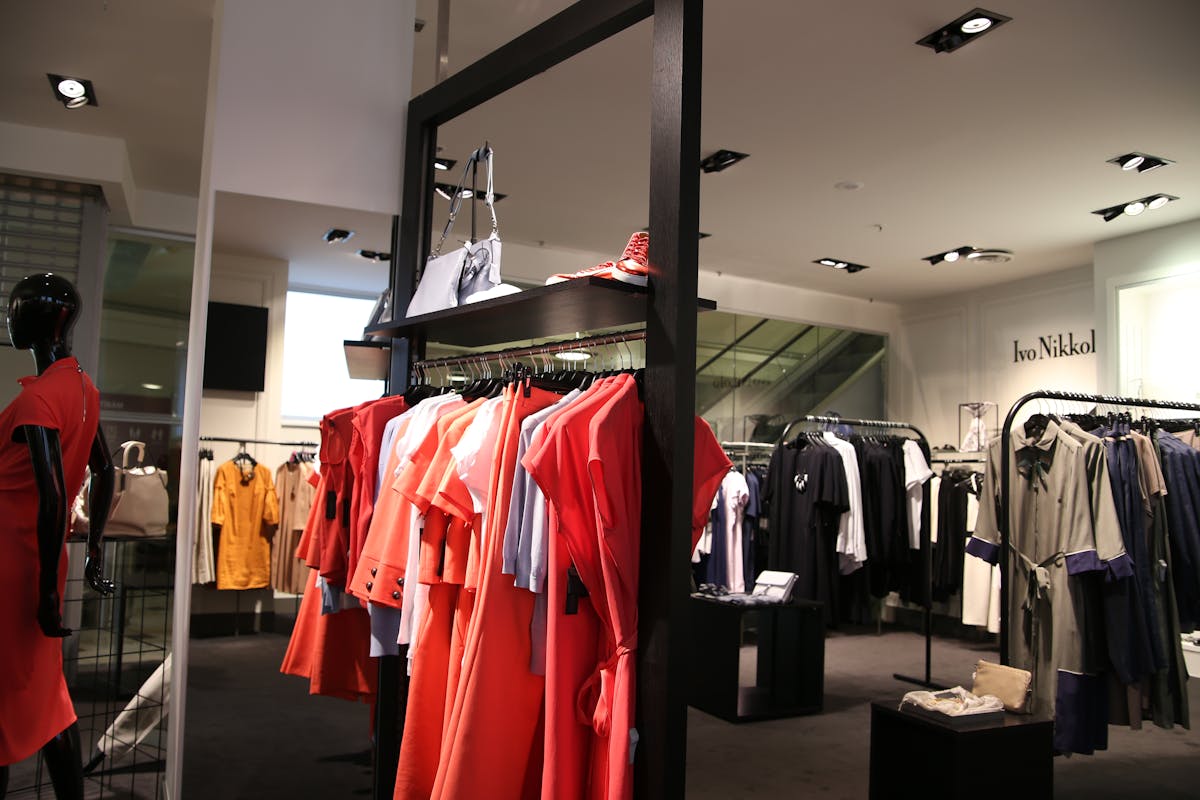
- Read the size chart differently. Don't just look at the waist measurement — check where the garment's waist hits. An empire waist dress has the waistline up high. A drop-waist sits low. Make sure it matches your natural proportions.
- Check the return policy. Online shopping is actually easier for body type shopping because you can filter by silhouette. Look for "fit and flare," "empire waist," or "A-line" in the description.
- Try the "sit test." When you try something on, sit down. Does it ride up? Pull across? Gap? Your body type affects how clothes move with you, not just how they look standing still.
- Invest in alterations. A $20 tailoring job can make a $50 dress look like it was made for you. Taking in a waist, shortening straps, or hemming pants to the right length makes everything look more expensive.
- Buy for your largest measurement, alter for the rest. If you are a Pear, buy pants that fit your hips and have the waist taken in. If you are an Inverted Triangle, buy jackets that fit your shoulders and have the body tailored.
Build Your Perfect Wardrobe
Take our Capsule Wardrobe Quiz to build a wardrobe that works for your specific body type. Get a personalized plan with pieces that complement your shape.
Explore Detailed Style Guides
Ready to dive deeper into styling for your specific body type? Check out our comprehensive guides for each shape:
Match Your Body Shape to a Fashion Aesthetic
Once you know your body shape, you can apply it to any style you love. Fashion aesthetics like coquette, dark academia, and clean girl are about mood and silhouette, not measurements — every one of them works with every body type. Each guide below includes body-positive styling tips for your specific shape.
Not sure where to start? Browse the full aesthetic types guide or take the two-minute aesthetic quiz to find your closest match.
Frequently Asked Questions
How many female body types are there?
There are 5 core female body types: Apple (fuller midsection, 14% of women), Pear (wider hips than shoulders, 20%), Rectangle (balanced proportions, 46%), Hourglass (defined waist, 8%), and Inverted Triangle (broader shoulders than hips, 12%). Three additional variations refine these — Top Hourglass (4%), Spoon (5%), and Diamond (3%) — for 8 shapes in total. The core five come from the NC State SizeUSA study of over 6,000 North American women.
How do I know my body type female?
To determine your body type, measure your shoulders, bust, waist, and hips. Compare your shoulder width to your hip width — if they are equal, check your waist definition. A waist that is 25% or more smaller than your shoulders and hips means you are an Hourglass. Equal measurements with minimal waist definition means you are a Rectangle. Wider hips than shoulders makes you a Pear. Broader shoulders than hips makes you an Inverted Triangle. Weight carried in the midsection with less waist definition indicates an Apple.
What is the most common female body type?
The Rectangle body shape is the most common, representing approximately 46% of women according to the SizeUSA study. This means nearly half of all women have roughly equal shoulder and hip measurements with a less defined waist. The Pear shape is second most common at 20%, followed by Apple at 14%, Inverted Triangle at 12%, and Hourglass at 8%.
Can your body type change?
Your underlying body type — determined by bone structure — does not change. However, your current body shape can shift with weight gain, weight loss, muscle building, pregnancy, and aging. A Rectangle who gains significant weight might develop more of an Apple silhouette. A Pear who loses weight might appear more Hourglass. But your fundamental proportions typically stay consistent.
What is the difference between body type and body shape?
People use these terms interchangeably, but there is actually a difference worth knowing. Your body type is your underlying bone structure — the framework you are born with. It is based on your skeletal proportions and does not change much, even if you gain or lose weight. Your body shape can refer to your current silhouette — which does change with weight, muscle, age, and fitness level.
Which celebrities have my body type?
Celebrities with Apple shapes include Oprah Winfrey and Melissa McCarthy. Pear shapes include Beyoncé, Rihanna, and Jennifer Lopez. Rectangle shapes include Natalie Portman and Cameron Diaz. Hourglass figures include Scarlett Johansson, Sofia Vergara, and Dita Von Teese. Inverted Triangle shapes include Angelina Jolie, Naomi Campbell, and Renée Zellweger.
What exercises work best for each body type?
Apple shapes benefit from core work and cardio. Pear shapes should emphasize upper body training for balance. Rectangle shapes can focus on waist-defining exercises. Hourglass shapes do well with balanced full-body routines. Inverted Triangle shapes should emphasize lower body work to balance broader shoulders. Remember — all bodies benefit from movement, regardless of type.
Is hourglass the ideal body shape?
There is no "ideal" body shape — that is a myth created by fashion media. The Hourglass shape represents only 8% of women, making it actually the rarest body type. Every female body type has its own beauty and advantages. The "ideal" shape is the one you have, when you learn to dress it well and carry yourself with confidence.
How should I dress for my body type?
Dress to balance your proportions and celebrate your natural lines. Apple shapes look great in empire waists and V-necks. Pear shapes shine in fit-and-flare dresses and statement sleeves. Rectangle shapes can create curves with peplum and ruching. Hourglass shapes should emphasize their waist with wrap dresses and fitted styles. Inverted Triangle shapes balance their silhouette with A-line skirts and wide-leg pants.
Can I be a combination of body types?
Yes, absolutely. Many women are combinations — you might be a "Pear-Hourglass" if you have wider hips but also a significantly defined waist. Or an "Apple-Rectangle" if you carry some midsection weight but have fairly straight proportions. Use the dominant characteristics to guide your style choices, and do not be afraid to experiment with recommendations from multiple categories.
What is the rarest female body shape?
Among the 8 shapes, Diamond is the rarest at roughly 3% of women, followed by Top Hourglass at 4% and Spoon at 5%. Of the 5 core shapes, the classic Hourglass is the least common at about 8%. These figures blend the NC State SizeUSA percentages for the core shapes with the finer variations, so exact numbers shift by region and demographic.
What is a spoon body shape?
A Spoon shape is a variation of the Pear. Your hips are significantly wider than your bust, but your waist is more clearly defined than a typical pear, and weight tends to gather in the upper thighs, creating a shelf-like hip line. Fit-and-flare dresses and tops with shoulder detail add balance up top while showcasing your defined waist.
How can I tell my body shape without measuring?
Stand in front of a mirror in fitted clothing and compare three things: your shoulder width versus your hip width, how defined your waist looks, and where you naturally carry weight. Wider hips than shoulders points to Pear. Broader shoulders point to Inverted Triangle. A clearly nipped-in waist with balanced bust and hips suggests Hourglass. A measuring tape is more precise, and our Body Shape Calculator confirms your match in about 30 seconds.
What percentage of women have each body shape?
Based on the NC State SizeUSA study of over 6,000 North American women, Rectangle is the most common at about 46%, followed by Pear at 20%, Apple at 14%, and Inverted Triangle at 12%. The classic Hourglass accounts for roughly 8%. The finer variations are less common: Spoon around 5%, Top Hourglass around 4%, and Diamond around 3%. Percentages vary by region, age, and demographic.
Conclusion
Understanding female body types isn't about putting yourself in a box — it's about finding the key that unlocks your best style. When you know whether you are an Apple, Pear, Rectangle, Hourglass, or Inverted Triangle, everything about getting dressed gets easier.
You stop wasting money on clothes that don't work. You start feeling confident in everything you wear. And you finally understand why that dress looked amazing on your friend but didn't quite work for you.
Your body type is the framework you were born with. It is not something to fight against or wish away. It is something to celebrate, dress beautifully, and carry with pride.
Ready to Discover Your Body Type?
Try our free Body Shape Calculator — it takes 30 seconds and gives you personalized style recommendations. Then take our Capsule Wardrobe Quiz to build a wardrobe where every single piece works for your specific shape.
Here is to loving the body you have and dressing it with joy.