How to Dress for Your Body Shape
Your body shape affects how clothes sit, drape, and move on you. Once you understand your proportions, getting dressed gets a lot simpler.
To dress for your body shape, measure your bust, waist, and hips, then identify which of the 5 shapes you match: hourglass (bust and hips equal, waist 9+ inches smaller), pear (hips 5%+ wider than bust), apple (waist is largest measurement), rectangle (all within 5%), or inverted triangle (bust/shoulders 5%+ wider than hips). Each shape has specific silhouettes that work well. See our free calculator for instant results.
Why Your Body Shape Matters for Getting Dressed
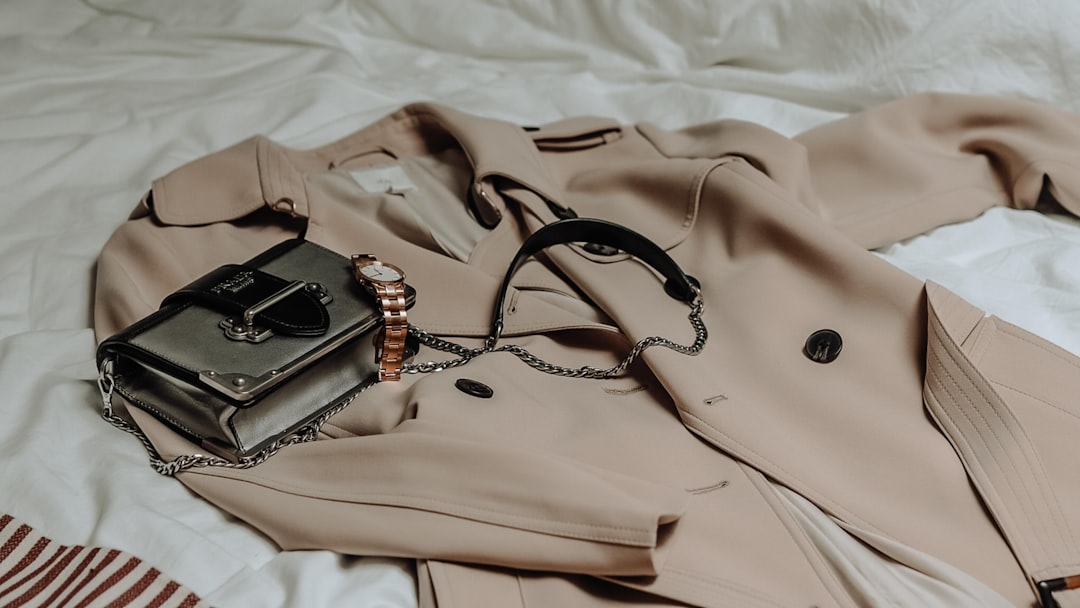
Every woman has a unique body shape. Knowing yours changes how you shop and how quickly you can pull together an outfit that feels right. Instead of grabbing things off the rack and hoping for the best, you walk in knowing which cuts will sit well on you. That saves time, money, and a lot of frustration in the changing room.
This is not about changing your body or following strict rules. It is about working with what you have. When a wrap dress defines your waist or a structured blazer balances your shoulders, the clothes do the work for you. If you want to learn more about the different types, our complete guide to female body types covers each one in detail.
Most of us are not a textbook match for any single category. You might have pear proportions with some hourglass characteristics. That is completely normal. Think of these categories as a starting point, not a rigid box. Our body shape self-assessment guide can help you figure out where you land.
Not sure of your body shape?
Our calculator analyzes your bust, waist, and hip measurements and tells you your shape in under a minute.
The 5 Female Body Types Explained
Body shape classification is based on the Female Figure Identification Technique (FFIT), a research-backed system that groups women into five categories based on bust, waist, and hip proportions. Here is a quick overview of each:
Hourglass
Balanced bust and hips with defined waist
Pear
Hips wider than shoulders and bust
Apple
Fuller midsection with slender legs
Rectangle
Similar measurements throughout
Inverted Triangle
Shoulders wider than hips
How to Identify Your Body Type by Measurements
Grab a soft measuring tape and record three numbers: bust (fullest point), waist (narrowest point, typically above the belly button), and hips (widest point including your buttocks). Wear light clothing or none for the most accurate reading.
Then compare your measurements using these guidelines:
Hourglass: Bust and hips are within 1 inch of each other. Waist is at least 9 inches smaller than the larger of bust or hips.
Pear: Hips are 5% or more wider than bust. Waist is clearly defined (smaller than both bust and hips).
Apple: Waist measurement is the largest of the three, or within 1 to 2 inches of bust/hip measurements. Legs tend to be proportionally slimmer.
Rectangle: Bust, waist, and hips are all within 5% of each other. Minimal waist definition.
Inverted Triangle: Bust or shoulder measurement is 5% or more wider than hips. Waist may or may not be defined.
If the math feels like too much, our Body Shape Calculator does all of this automatically. Just enter your numbers and get your result.
Style Principles That Work for Every Body Type
Fit Beats Everything
Clothes that fit your actual body always look better than something a size too small or too big. The number on the tag is irrelevant. If you find a piece you love but the fit is off, tailoring a blazer, hemming trousers, or taking in a waist costs less than you think and makes a huge difference.
Fabric Changes Everything
A dress in stiff cotton and the same dress in flowing jersey will look completely different on you. Structured fabrics (ponte, cotton twill, denim) hold their shape. Draping fabrics (jersey, silk, rayon) follow curves. Pick based on where you want structure versus flow.
Vertical Lines Elongate
V-necklines, front buttons, vertical seams, and single-color outfits all create a lengthening effect. This works for any body shape and any height. It is one of the simplest tricks in the book, and it costs nothing.
Color Draws the Eye
Lighter and brighter colors attract attention; darker colors recede. Place your favorite colors where you want people to look. Want to draw the eye to your face? A bright scarf or statement necklace near your neckline does the job.
Understanding Proportions
Dressing for your body shape comes down to proportions. The goal is not to achieve some ideal silhouette. It is about creating visual balance that makes you feel good in what you are wearing.
Someone with a pear body shape has wider hips relative to their shoulders. To create balance, they might pick tops with interesting details, like boat necklines or statement sleeves, to draw attention upward. But if they love their curves, they can highlight their hips with fitted skirts instead. Both approaches work.
A rectangle shape might add a belt to create waist definition, or lean into their naturally straight figure with column silhouettes. An apple shape might showcase their legs with shorter hemlines or draw attention to their neckline with V-necks. There is no single correct approach. You can read more about each shape in our body shape comparison guide.
Body Shape Comparison at a Glance
This table summarizes all five shapes, how common each one is, how to identify yours by measurement, and which silhouettes tend to work well. Click any shape for the full style guide.
| Body Shape | Prevalence | Measurement Clue | Best Silhouettes |
|---|---|---|---|
| Hourglass | ~8% | Bust and hips within 1 inch; waist 9+ inches smaller | Wrap dresses, belted styles, fitted tops |
| Pear | ~20% | Hips 5%+ wider than bust; defined waist | A-line skirts, boat necklines, structured tops |
| Apple | ~14% | Waist is largest or close to bust/hip measurements | Empire waist, V-necks, column dresses |
| Rectangle | ~46% | Bust, waist, hips within 5% of each other | Peplum tops, layered looks, belted pieces |
| Inverted Triangle | ~14% | Bust/shoulders 5%+ wider than hips | Wide-leg pants, A-line dresses, V-necks |
Outfit Formulas for Every Body Shape
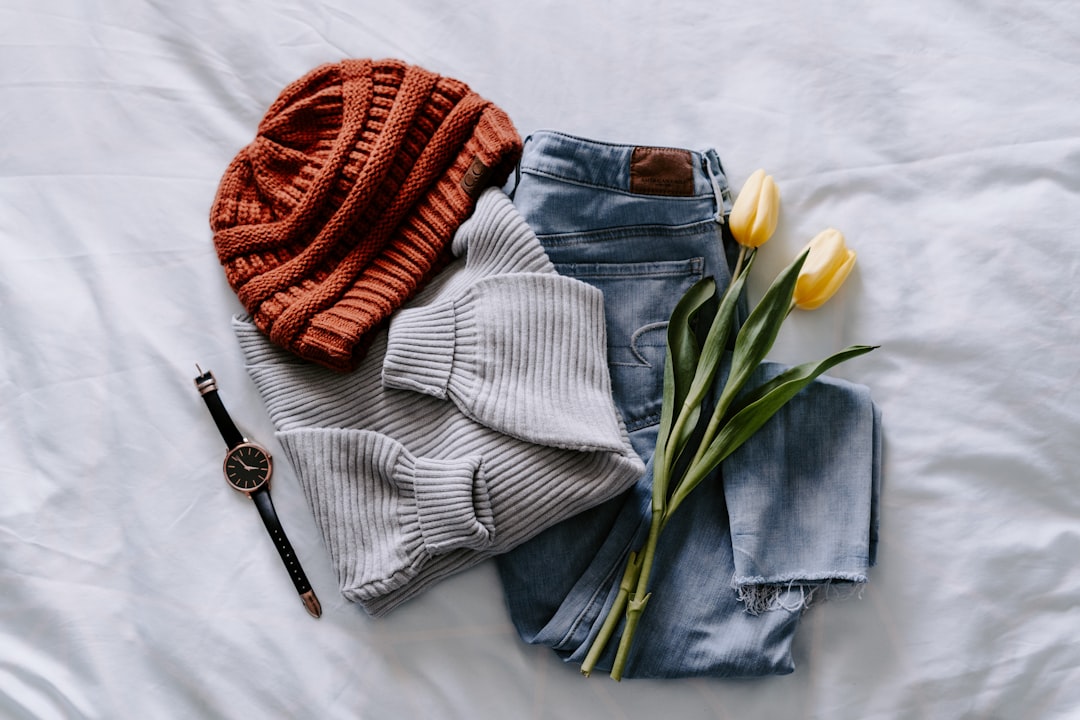
Not sure what to actually put together? Here are specific outfit combinations for three common situations: casual, work, and going out. These are starting points. Mix them, swap pieces, make them yours.
Hourglass
Casual
Wrap top + high-waisted jeans + ankle boots
Work
Belted blazer + pencil skirt + pointed flats
Evening
Fitted midi dress + heeled sandals + clutch
Pear
Casual
Boat neck tee + A-line midi skirt + wedge sandals
Work
Structured blazer + wide-leg trousers + statement earrings
Evening
Off-shoulder top + flowing maxi skirt + heels
Apple
Casual
V-neck tunic + straight-leg jeans + loafers
Work
Empire-waist dress + open cardigan + block heels
Evening
Column dress + long pendant necklace + clutch
Rectangle
Casual
Peplum top + skinny jeans + ankle boots
Work
Belted shirt dress + heeled loafers + structured bag
Evening
Ruched bodycon dress + strappy heels + bold earrings
Inverted Triangle
Casual
V-neck tee + wide-leg pants + flat sandals
Work
Wrap blouse + A-line skirt + kitten heels
Evening
Halter top + full maxi skirt + drop earrings
Want a full wardrobe plan built around your shape and lifestyle? Take our Capsule Wardrobe Quiz for personalized recommendations.
How Celebrities Dress for Their Body Type
Real examples of body shape dressing in action. Notice the patterns: these women consistently pick silhouettes that work with their proportions, not against them.
Hourglass
Scarlett Johansson, Sofia Vergara
They consistently pick wrap dresses, belted coats, and fitted pieces that follow the waistline. You rarely see them in boxy or shapeless cuts. The waist is always defined.
Hourglass style guidePear
Jennifer Lopez, Shakira
These women often draw attention upward with boat necklines, statement earrings, and structured shoulders. On the bottom, flowing or A-line cuts give their hips room to move.
Pear style guideApple
Adele, Melissa McCarthy
Empire waistlines, V-necklines, and column dresses are their go-to choices. They tend to show off their legs and neckline while keeping the midsection relaxed and comfortable.
Apple style guideRectangle
Cameron Diaz, Kate Middleton
They create shape with peplum tops, belted blazers, and layered outfits. Waist-defining details do a lot of work here, turning a straight silhouette into something more dynamic.
Rectangle style guideInverted Triangle
Angelina Jolie, Naomi Campbell
Wide-leg trousers, A-line skirts, and V-necklines balance broader shoulders. They add visual weight below the waist and keep the upper body streamlined.
Inverted Triangle style guideFind Your Shape
Curious which body shape you share with your favorite celebrities? Our calculator takes your measurements and gives you an answer in under a minute.
Take the Body Shape CalculatorHow to Dress for Your Body Shape: Step by Step
Here is the process. It does not need to be complicated.
Measure Yourself Accurately
Use a soft measuring tape to record your bust (fullest point), waist (narrowest point, usually above the belly button), and hips (widest point including buttocks). Wear minimal clothing for the most accurate results. Our Body Shape Calculator can analyze these measurements instantly.
Identify Your Shape Category
Compare your three measurements against the guidelines above. Remember, most people are not a perfect match for any single category. You might be a blend of two shapes. That is fine. Focus on the one that fits closest.
Learn Your Best Silhouettes
Each shape has cuts that naturally complement it. Pear shapes tend to look great in A-line skirts. Rectangle shapes can add curves with peplum tops and belted dresses. Check your shape's style guide above, then try things on to see what feels right.
Build Around Key Pieces
Start with 3 to 5 items that work for your shape, then build outfits around them. This is the capsule wardrobe approach, and it saves both money and morning decision fatigue. Our Capsule Wardrobe Quiz gives you a personalized plan based on your shape and lifestyle.
Experiment and Have Fun
These guidelines are starting points, not rigid rules. Fashion is personal. Try new combinations. Break the rules when you feel like it. The goal is confidence and comfort, and that looks different for everyone.

Dressing for Your Body Shape by Season
Your shape does not change with the seasons, but the fabrics, layers, and strategies do. Here is how to adapt.
Spring
Transitional layers work well for every shape. Light blazers, trench coats, and midi skirts in breathable fabrics. Layer strategically to define your waist as you shed heavier winter pieces.
Summer
Fewer layers means the cut of each piece matters more. Wrap dresses, linen wide-legs, and cotton A-lines are your friends. Lighter fabrics flow naturally, which is forgiving for every body type.
Fall
Layering season is where body shape dressing gets fun. Structured jackets, belted cardigans, and boots that elongate. Use layers to create proportion and add visual interest exactly where you want it.
Winter
Heavy coats can overwhelm your shape if you pick the wrong cut. A belted coat defines the waist for any body type. Avoid oversized puffers that add volume everywhere unless that is the look you want.
For complete seasonal wardrobes built around your body shape, check our capsule wardrobe building guide.
Common Body Shape Dressing Mistakes
A few pitfalls worth knowing about, especially if you are just starting to pay attention to how clothes interact with your proportions.
Buying the Wrong Size
A lot of women buy clothes that are too small or too big because they focus on the number on the tag. A size 10 that fits properly will always look better than a size 8 that pulls or a size 12 that sags. Ignore the label. Focus on how the garment sits on your body. Consider tailoring key pieces for a custom fit.
Ignoring Fabric Weight
The same design in stiff cotton versus flowing jersey will look completely different on your body. Structured fabrics add shape and hold their form. Drapey fabrics follow your curves. Pick the fabric weight based on where you want more or less volume for your shape.
Following Trends Blindly
Not every trend works for every body shape, and that is fine. The oversized blazer trend, for example, can work for anyone if you style it right: belted for pear shapes, open over a fitted top for rectangles, structured at the shoulders for inverted triangles. Adapt the trend; do not let it wear you.
Neglecting Undergarments
A well-fitted bra can change how tops sit on your body entirely. Seamless underwear prevents visible lines. The right shapewear, if you choose to wear it, should feel comfortable rather than restrictive. If you have not checked your bra size recently, our Bra Size Calculator can help.
Body Shape Dressing by Occasion
Different situations call for different strategies. Here are a few quick rules of thumb that work across all body types:
Work and Office
Structured pieces work across the board: blazers, tailored trousers, and sheath dresses. The key is finding cuts that match your proportions. A blazer that nips at the waist suits hourglass and pear shapes. A longer, open blazer works well for rectangles and apple shapes. See our dress code guide for more occasion-specific advice.
Casual Weekend
Casual does not mean shapeless. Well-fitted jeans in the right cut for your body type, a top that sits well, and comfortable shoes go a long way. High-waisted jeans work for almost everyone; they elongate the leg and define the waist regardless of your shape.
Date Night and Going Out
This is where you can lean into what you love about your shape. Hourglass? A fitted dress that follows your curves. Pear? A statement top that draws the eye upward. Whatever makes you feel confident is the right choice for the occasion.
Explore Related Guides
Clothing Types Guide
Necklines, sleeves, skirt shapes, and more. Know what each style is called so you can shop with precision.
Dress Code Guide
From casual to black tie. Know exactly what to wear for every occasion and never second-guess yourself.
Color Analysis Tool
Discover your color season and find the shades that complement your natural coloring. Shape and color together make a big difference.
Personal Style Guide
Go beyond body shape. Define your overall style identity and build a wardrobe that reflects who you are.
Frequently Asked Questions
How do I determine my body shape?
Compare your bust, waist, and hip measurements. If bust and hips are roughly equal with a defined waist, you are likely hourglass. Hips wider than bust means pear. Broader shoulders point to inverted triangle. Similar measurements throughout suggest rectangle, and a fuller midsection indicates apple. Our free Body Shape Calculator does this analysis in seconds.
What are the 5 main female body shapes?
The five main body shapes are Hourglass (balanced bust and hips, defined waist, about 8% of women), Pear (hips wider than shoulders, about 20%), Apple (fuller midsection with slender legs, about 14%), Rectangle (similar measurements throughout, about 46%), and Inverted Triangle (shoulders wider than hips, about 14%). Most women are a blend of two shapes.
Can my body shape change over time?
Yes. Weight fluctuations, aging, pregnancy, hormonal changes, and exercise habits all affect your shape. Muscle building can broaden shoulders; weight gain often targets specific areas. Recalculate your body shape if your measurements change by more than 2 inches anywhere.
Does body shape dressing mean I cannot wear certain clothes?
Not at all. Body shape guidelines are suggestions, not rules. They help you understand which silhouettes naturally complement your proportions. Wear whatever makes you feel confident. The guidelines just help you make more informed choices when shopping.
What is the most common body shape?
The rectangle body shape is the most common at approximately 46% of women according to body proportion studies. Pear is second at about 20%, followed by apple and inverted triangle at roughly 14% each, and hourglass at about 8%. These figures vary across populations.
How do I dress for my body shape on a budget?
Focus on fit, not brand names. A well-fitted basic from a budget retailer looks better than a pricey piece that does not suit your proportions. Start with 3 to 5 key pieces for your shape, then build outfits around them with affordable basics. Tailoring a few items can also make a big difference.
Should I follow trends or dress for my body shape?
Both. Adapt trends to suit your proportions rather than choosing one over the other. If oversized blazers are trending and you have a pear shape, pick one that cinches at the waist. The best outfits blend current style with what works for your figure.
How do I find my body shape without a calculator?
Measure your bust at the fullest point, your waist at the narrowest point above the belly button, and your hips at the widest point. Compare the three numbers. If hips are largest, you are likely pear. If bust and hips match with a smaller waist, you are hourglass. Our Body Shape Calculator automates this instantly.
About This Guide
Methodology
Body shape dressing principles in this guide are based on the five-category classification system from the Female Figure Identification Technique (FFIT), documented in fashion industry research and academic body proportion studies. All prevalence percentages are approximate and vary across populations.
Reviewed by DiscoverFashions Editorial Team
Our editorial team reviews all style guides for accuracy, body-positive language compliance, and practical usefulness. Last reviewed April 2026.
A note on guidelines
These are styling suggestions, not rules. Personal comfort and individual style preferences should always take priority. Wear what makes you feel good.
Get Weekly Style Tips
Join thousands of women discovering their perfect style. Get exclusive fashion tips, trend alerts, and style guides delivered to your inbox.
Free weekly updates. Unsubscribe anytime.