What is a rectangle body shape?
A rectangle body shape (also called straight, athletic, or banana shape) is where the bust, waist, and hips all measure within about 2 to 3 inches of each other, and the waist is less than 9 inches smaller than the bust or hips. The result is a straight, column-like silhouette with minimal natural waist definition. According to NC State University's SizeUSA analysis of more than 6,300 US women, about 46% of women have this body type, which makes it the most common female body shape by a significant margin.
What are the measurements for a rectangle body shape?
The key numbers: bust and hips should be within 2 to 3 inches of each other, and the waist should be less than 9 inches smaller than either the bust or hips. Real-world examples of rectangle proportions include 36-32-37, 34-30-35, or 38-34-39 (all in inches). If your measurements fall close together with no dramatic waist indentation, you have a rectangle shape regardless of your overall size.
What clothes look best on a rectangle body shape?
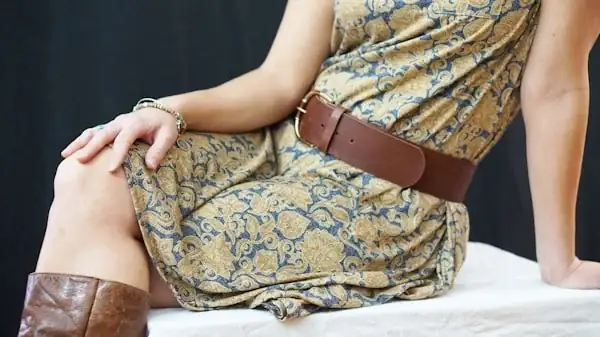
Peplum tops, belted dresses, high-waisted bottoms, wrap styles, ruched fabrics, and bodycon dresses all work well for rectangle shapes. What connects all of these is that they create or imply a waist definition in the fabric or cut, rather than relying on the body's measurements to do the work. The goal is not to change your shape but to add visual interest and proportion contrast where you want it.
What should rectangle body shapes avoid wearing?
Boxy, shapeless silhouettes and straight column dresses without any waist detail tend to extend the straight line of a rectangle frame rather than contrasting it. Matching separates in a single colour head-to-toe read as one unbroken vertical line. Stiff fabrics that do not drape create a rigid rectangular silhouette. Drop-waist styles lower the waist visually and elongate the torso without adding any curve at the natural waist.
How can I create curves with a rectangle figure?
Peplum tops and flared skirts add physical volume at the hip, which creates the visual impression of a wider point beneath the waist. A belt placed at the narrowest part of the torso marks the waist even when the actual difference in measurement is small. Layering different lengths creates depth. Diagonal or asymmetric details (like a wrap neckline or one-shoulder top) pull the eye across the body rather than straight down. Together, these techniques work even when the measurements themselves are close.
What is the difference between a rectangle and hourglass body shape?
The difference comes down to the waist-to-hip ratio. An hourglass shape has a waist that is 9 or more inches smaller than both the bust and hips, with the bust and hips roughly balanced. A rectangle shape has a waist that is less than 9 inches smaller, so all three measurements sit close together. Hourglass proportions already have built-in waist definition. Rectangle proportions need that definition added through styling, belts, or structured garments.
Is rectangle the most common body shape?
Yes. NC State University's SizeUSA analysis of more than 6,300 US women found that about 46% had a rectangle body shape. That makes it the most common female body type by a wide margin. Next come pear or spoon (a little over 20%), inverted triangle (nearly 14%) and hourglass (about 8%). The study did not count apple as a separate shape. So if you have a rectangle body shape, you are in the majority.
Can you change a rectangle body shape?
Bone structure does not change, but muscle development can shift the proportions you see. Building the glutes through exercises like hip thrusts and squats adds volume at the hip, while developing the shoulders adds width at the top. Working the obliques creates more visible indentation at the waist. That said, most women find that styling techniques — belted waists, peplum details, structured clothing — deliver visible results faster than exercise alone, and the two approaches work well together.
What about a rectangle body shape with a tummy?
Carrying extra weight around the midsection is very common and does not change your underlying body type classification. Empire-waist tops sit just below the bust, so fabric flows over the midsection rather than clinging to it. Ruched fabrics add texture that works with the body. High-waisted pants with a structured waistband smooth the transition from waist to hip. A-line skirts that flare gently from the natural waist create a clean line. Avoid very thin, clingy fabrics across the stomach area.
What are the best dresses for a rectangle body shape?
The most effective dresses for rectangle shapes are wrap dresses, belted shirtdresses, peplum dresses, fit-and-flare styles, and bodycon dresses with ruching or side-seam detailing. What all of these have in common is a waist element built into the garment itself — whether that is a diagonal wrap, a belt loop, a flared seam, or gathered fabric. A straight shift dress without any of these features tends to maintain the column silhouette rather than contrast it.