How to Find Your Personal Style
Most women know what they do not want to wear. The harder question is figuring out what they actually do want. This guide walks you through the process of finding your personal style, from identifying what draws you in to building a wardrobe that reflects it.
To find your style, notice which clothes you reach for most, save 30 to 50 outfit photos that appeal to you, and identify the patterns (colors, silhouettes, moods). Choose 3 to 5 words that describe your ideal look, then build toward it one piece at a time. Our free style quiz can help you get started.

What is Personal Style, and Why Does It Matter?
Personal style is how you express yourself through clothing. It is not about following trends or owning expensive things. It is about knowing what works for you, why it works, and being able to put together an outfit without overthinking it.
When you have a clear sense of your style, getting dressed takes less time. Shopping becomes less stressful because you know what to look for and what to skip. You stop buying things that sit in your closet unworn. That alone saves real money over time.
The thing is, your style already exists. You just might not have put words to it yet. The clothes you gravitate toward, the outfits that make you feel good, the colors you keep coming back to: all of that is data. This guide helps you organize it into something useful.
Clarity
Know what works for you and stop second-guessing yourself in the fitting room
Savings
Stop buying things you never wear. A focused wardrobe saves hundreds per year
Confidence
Getting dressed becomes easy when your closet only contains things you actually like
6 Fashion Style Types to Explore
These are starting points, not boxes. Most people are a blend of 2 or 3 types. See which ones resonate with you, then mix and match. Our style quiz can help you figure out your mix.
Classic
Timeless pieces that outlast trends. Clean tailoring, neutral palettes, and polished details.
Style references: Kate Middleton, Amal Clooney
Minimalist
Stripped back to the essentials. Clean lines, muted tones, and quality over quantity.
Style references: Zendaya, Meghan Markle
Bohemian
Free-spirited and layered. Flowy fabrics, earthy tones, and a mix-and-match sensibility.
Style references: Sienna Miller, Florence Welch
Romantic
Soft and feminine. Lace, florals, pastels, and delicate details that feel pretty without trying too hard.
Style references: Taylor Swift, Zooey Deschanel
Edgy
Bold choices with attitude. Leather, dark palettes, asymmetric cuts, and pieces that make a statement.
Style references: Rihanna, Billie Eilish
Casual Chic
Effortlessly put together. Good denim, comfortable knits, and versatile pieces you can dress up or down.
Style references: Jennifer Aniston, Katie Holmes
How to Find Your Style: Step by Step
This is not a weekend project. It is more like a gradual shift. Some of these steps take 10 minutes; others unfold over weeks. Go at your own pace.
Notice what you already love
Look at the clothes you reach for most often. There is usually a pattern, and that pattern is the beginning of your style.
Pick 3 to 5 style words
Choose adjectives that describe how you want to look and feel. "Relaxed but polished" or "bold and colorful" are more useful than vague goals like "better."
Find your color palette
Select base neutrals and 2 to 3 accent colors that suit your skin undertone. Our Color Analysis quiz can identify your best shades.
Identify style references
Save outfits you admire on Pinterest or Instagram. After 30 to 50 saves, patterns emerge: common colors, silhouettes, and moods.
Audit your closet
Pull everything out. Keep what you love and wear. Donate the rest. This is where you see the gap between where you are and where you want to be.
Build outfit formulas
Create 3 to 5 go-to combinations for different occasions: work, weekend, going out. These save time every morning.
Start with one change
You do not need a new wardrobe overnight. Replace one piece at a time with something that matches your style direction.
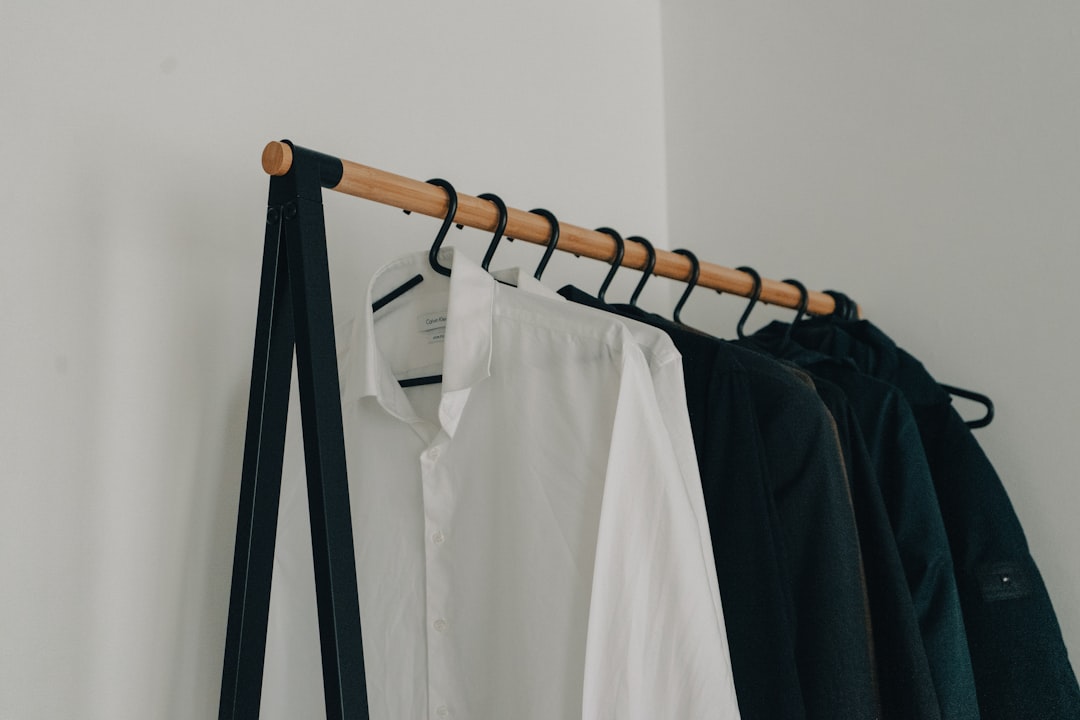
How to Audit Your Wardrobe
A wardrobe audit sounds intense, but it is really just answering one question for every piece you own: does this still fit who I am? Here is how to do it without losing an entire weekend.
Pull everything out
Yes, all of it. Seeing everything at once is the only way to get an honest picture of what you actually own. Lay items on your bed or hang them on a rack.
Sort into three piles
Keep (love it and wear it), maybe (not sure, set a 30-day reminder to revisit), and let go (has not been worn in 12+ months or no longer fits). Be honest. Guilt about what you spent is not a reason to keep something.
Identify the gaps
Look at your keep pile. What is missing? If you have 15 tops and 3 bottoms, you know where to invest next. If everything is black, maybe it is time for an accent color. Our Color Analysis tool can help you pick shades that suit you.
Make a shopping list
Write down the 5 to 10 specific items you need, not want, need. Having a list prevents impulse buys and keeps your spending focused. Our capsule wardrobe guide has templates for this.
Building Blocks of Your Personal Style
Once you know what style types resonate with you, these four elements help you translate that into actual wardrobe decisions.
Color Palette
The colors that anchor every outfit you build
- Pick 2 to 3 neutral base colors (black, navy, cream, gray)
- Add 2 to 3 accent colors you love wearing
- Match to your skin undertone for colors that make you look alive
- Make sure every color mixes with at least 3 other pieces
Silhouettes
The shapes and cuts that suit your body type
- Know your body shape (use our free calculator)
- Identify 2 to 3 necklines that work for you
- Pick hem lengths that feel right, not just trendy
- Balance proportions between top and bottom
Fabrics and Textures
The materials that fit your lifestyle
- Consider how much time you want to spend on care
- Mixing textures adds visual interest to simple outfits
- Heavier fabrics add structure, lighter fabrics drape
- Invest more per piece for fabrics you wear constantly
Accessories
The details that finish the look
- Pick a jewelry metal (gold, silver, mixed) and stay consistent
- Own at least 2 bags: one daily, one evening
- Shoes set the tone: sneakers vs loafers vs heels signal different things
- Scarves and belts are the cheapest way to change an entire outfit
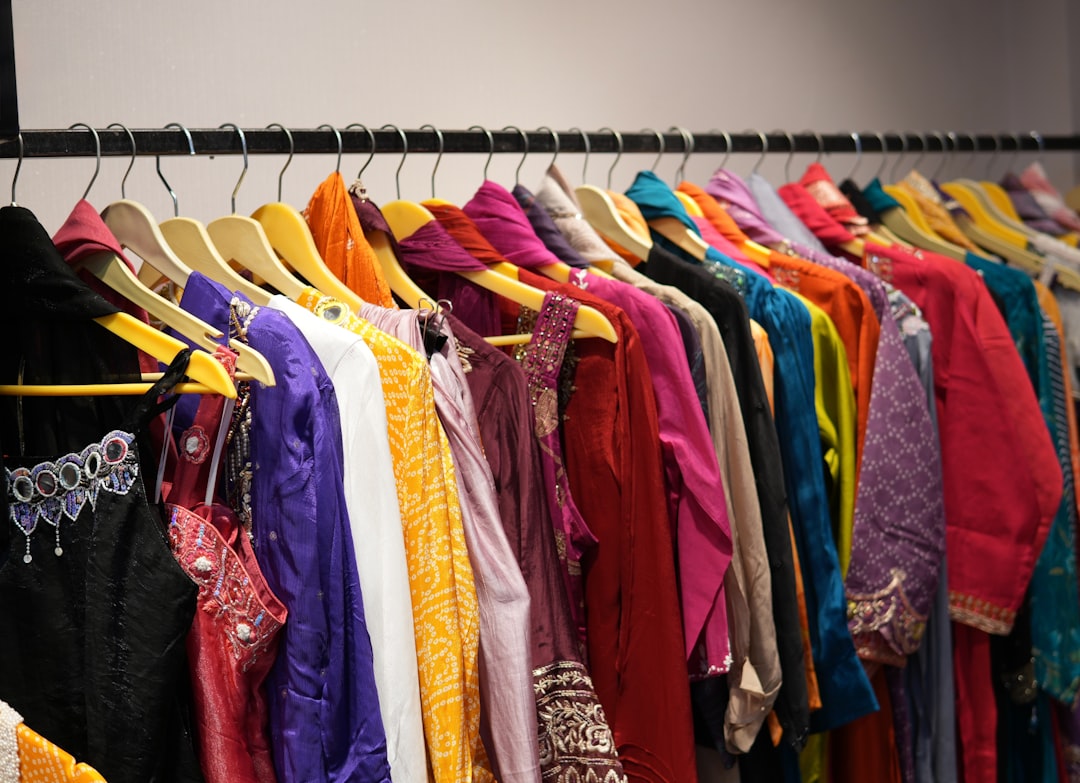
How to Shop Smarter for Your Style
Once you know your style, shopping changes. It stops being overwhelming and starts being focused. Here are some principles that keep your wardrobe growing in the right direction.
Shop with a list, not a mood
Impulse shopping is the enemy of a cohesive wardrobe. Know what you are looking for before you start browsing. If you identified gaps during your wardrobe audit, that is your list.
Try the 3-outfit test
Before buying anything, picture 3 complete outfits you could make with it using clothes you already own. If you cannot think of 3, it will probably sit in your closet unworn.
Invest in fit, not brand
A well-fitted piece from a budget store will always look better than an ill-fitting designer item. Know your measurements (our Size Converter helps with international sizing) and do not be afraid to tailor key pieces.
One in, one out
This simple rule prevents closet creep. Every time a new piece comes in, an old one goes out. It keeps your wardrobe at a manageable size and forces you to be intentional about each addition.
Style Tips for Your Body Shape
Your personal style and your body shape work together. Knowing your proportions helps you choose cuts that sit well, which means the outfit you picture in your head actually looks that way in real life. Check our complete body shape dressing guide for detailed advice.
Adapting Your Style by Season
Your style does not change with the weather, but the pieces you use to express it do. Here is how the same personal style translates across seasons.
Spring
Light layers, transitional jackets, and breathable fabrics. A trench coat works for every style type.
Summer
Fewer layers means each piece matters more. Focus on fabric (linen, cotton) and fit. Let your style show through color and silhouette.
Fall
Layering season is where personal style really shows. Mix textures, add structure with jackets, and experiment with deeper colors.
Winter
Heavy coats dominate the silhouette. Choose a coat that reflects your style; it is the piece people see most of the time.
Frequently Asked Questions
How do I find my personal style?
Start by looking at what you already wear most. Save outfit inspiration on Pinterest. After 30 to 50 saves, you will see common colors, shapes, and moods. Choose 3 to 5 words that describe how you want to look, then start building toward that. Our Capsule Wardrobe Quiz can help you identify your style type in minutes.
What is a personal style guide?
A personal style guide is a reference document that defines your preferred colors, silhouettes, fabrics, and overall aesthetic. It helps you shop more efficiently, avoid impulse buys, and build a wardrobe where everything works together.
What are the main fashion style types?
The six common style types are Classic (timeless tailoring), Minimalist (clean lines and neutrals), Bohemian (free-spirited and layered), Romantic (soft and feminine), Edgy (bold and unconventional), and Casual Chic (effortlessly put together). Most people blend 2 to 3 types.
How do I dress better without spending a lot?
Focus on fit over brand. A well-fitted basic from a budget store looks better than an expensive piece that does not sit right. Start with 5 versatile pieces that match your style, and build outfits around them. Tailoring one or two items costs less than you think and makes a big difference.
What should I include in my style guide?
A useful style guide includes your color palette, preferred silhouettes, favorite fabrics, go-to outfit formulas, accessory preferences, and guidelines for different occasions like work, casual, and formal. It does not need to be fancy; a note on your phone works.
How often should I update my style?
Review your wardrobe seasonally or at least twice a year. Your style will shift as your lifestyle changes, your confidence grows, or your preferences evolve. Regular updates keep your wardrobe aligned with who you are right now, not who you were two years ago.
How does my body shape affect my style?
Your body shape affects which silhouettes, necklines, and cuts sit well on you. An hourglass shape looks great with defined waistlines; a rectangle shape can create curves with belted and layered pieces. Take our free Body Shape Calculator to find your shape, then use the results to guide the silhouettes you choose.
What is the difference between a style guide and a capsule wardrobe?
A style guide defines your fashion preferences: colors, silhouettes, fabrics, aesthetic. A capsule wardrobe is the practical result: 25 to 50 pieces that all work together based on those preferences. The style guide is the blueprint; the capsule wardrobe is the building.
Keep Exploring
Dress for Your Body Shape
Outfit formulas and silhouette advice for all 5 body types
Build a Capsule Wardrobe
Turn your style preferences into a working wardrobe of 25 to 50 pieces
Clothing Types Guide
Necklines, sleeves, skirt shapes, and more. Know the terminology.
Color Analysis Quiz
Find the colors that make your skin look alive
Outfit Generator
Personalized outfit ideas for any occasion
Dress Code Guide
What to wear from casual Friday to black tie
Ready to Find Your Style?
Take our free quiz to discover your style personality and get a personalized starting point for your wardrobe.
Discover Your StyleAbout This Guide
Methodology
Style recommendations in this guide are based on established fashion principles including color theory, body proportion analysis, and silhouette balance. Style type classifications draw from fashion industry research and wardrobe styling practice.
Reviewed by DiscoverFashions Editorial Team
Our editorial team reviews all guides for accuracy, body-positive language, and practical usefulness. Last reviewed April 2026.
A note on personal style
Style is personal and subjective. These are starting points for exploration, not rules. Wear what makes you feel good.
Learn more: Our methodology Editorial policy
Get More Style Tips
Subscribe to receive style guides and fashion tips in your inbox
Free weekly updates. Unsubscribe anytime.