How to Measure Bust, Waist, and Hips at Home
Every size chart, body shape quiz, and bra size calculator starts with the same three numbers. Here is exactly where to place the tape for your bust, waist, and hips, plus how to turn those numbers into a size you can shop with confidence.
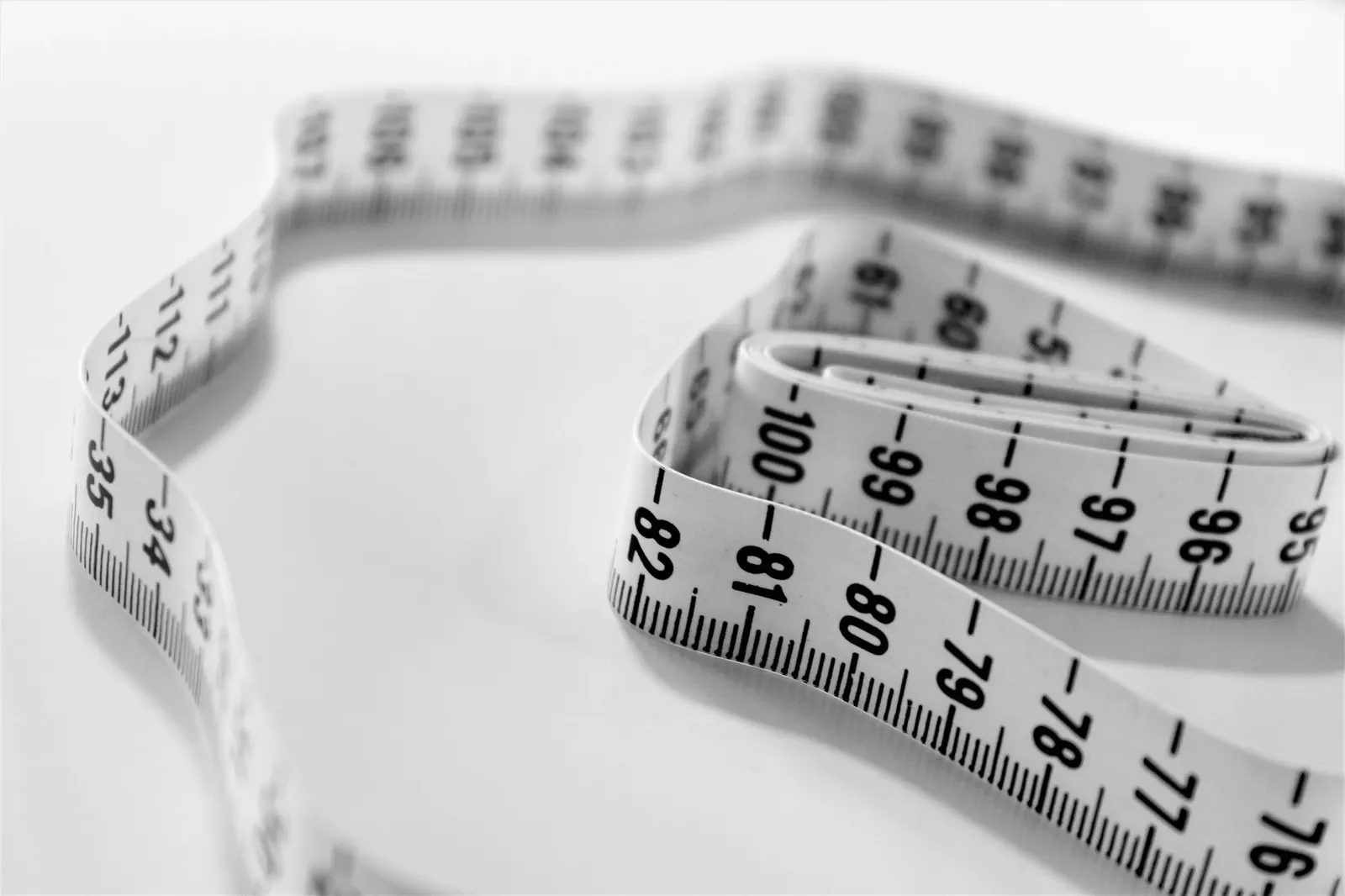
What You Need Before You Start
A soft, flexible tape measure is the only tool that gives an accurate reading; a rigid ruler or a metal carpenter's tape will not follow the curve of your body. Measure in your underwear or close-fitting clothing, standing straight with your feet together and your weight even on both legs. SewGuide, a sewing and pattern-drafting resource, recommends wearing the bra you would normally wear under clothes and avoiding bulky layers, since extra fabric under the tape adds width that is not actually yours. A second person can help keep the tape level around your back, but all three measurements below can be taken alone with a mirror.
Bust
Fullest part of the chest, tape level all the way around.
Waist
Natural crease at your narrowest point, found by bending to the side.
Hips
Widest point of the hips and seat, 7 to 9 inches below the waist.
How to Measure Your Bust
Stand straight in a well-fitting, unpadded bra and wrap the tape around the fullest part of your bust. Nordstrom's bra-fitting guide instructs keeping the tape taut but not tight, so it does not squish or distort the breast tissue, and confirming it stays level and parallel to the floor front and back rather than dipping down behind you. Breathe normally and read the number at eye level. If the tape rides up in the back when you lower your arms, start over rather than trusting a reading taken with your arms raised, since raised arms lift the ribcage and shrink the number.
This full-bust number is what dress, top, and jacket size charts use. It is a different measurement from the two numbers a bra size uses, which is covered in its own section below.
How to Measure Your Waist
Your natural waist is not the same as the waistband of your jeans. SewGuide describes finding it by bending gently to one side and feeling for the crease that forms; that crease, usually above the belly button and below your lowest rib, is your natural waistline. Wrap the tape around that exact point, parallel to the floor, snug enough to stay in place but loose enough that one finger slides underneath comfortably. Do not hold your breath or pull your stomach in, since a held breath shrinks the reading by up to an inch and gives you a number you cannot actually wear.
Levi's product size guide gives the same instruction for jeans shopping specifically: wrap the tape around your natural waistline, just above the belly button, snug but not tight. Use this number for both dresses and bottoms; a waistband size printed on a garment label is a design choice, not your body measurement.
How to Measure Your Hips
Stand with your feet together and wrap the tape around the widest part of your hips and seat. Levi's size guide describes this as the fullest part of the hips with the tape kept parallel to the floor, and SewGuide adds that the tape needs to pass over the fullest point of the buttocks, not just the hip bones, since skipping that curve is the most common hip-measuring mistake. For most bodies this point sits roughly 7 to 9 inches below the natural waist, though it can sit higher or lower depending on your individual proportions, so measure by feel rather than by a fixed distance from your waist.
Keep your feet together rather than hip-width apart while you measure. Standing with your feet apart shifts weight onto the hips and can add up to half an inch to the reading.
How to Measure Your Bust for a Bra
A bra size needs two measurements instead of one, and neither of them is the full-bust number above. Nordstrom's bra-fitting guide explains the split clearly: your band size comes from wrapping the tape snugly around your rib cage, directly beneath your bust, keeping it parallel to the floor and exhaling so you get the smallest comfortable reading. Your bust size, sometimes called the cup measurement, comes from the same fullest-point measurement described above, taken over a well-fitting, unpadded bra.
Subtract the band number from the bust number. Nordstrom's guide uses each full inch of difference to mark one cup size letter, so a 34 inch band with a 36 inch bust is a 2 inch difference, which lands at a B cup. A 34 inch band with a 38 inch bust is a 4 inch difference, a D cup. If the two measurements come out equal, that typically indicates an AA or A cup depending on the brand's chart. Because band and cup sizing varies between brands, treat the calculation as a fitting-room starting point rather than a fixed number across every label.
Ready to shop your size? Our bra size calculator takes your band and bust numbers and converts them into a size across US, UK, and EU labels.
Inches to Centimeters, at a Glance
Multiply inches by 2.54 to get centimeters, or divide centimeters by 2.54 to get inches. Most soft tape measures print both scales on opposite edges, so flip the tape over before doing the conversion by hand. Common reference points for the three measurements above:
| Measurement | Inches | Centimeters |
|---|---|---|
| Bust | 32 in | 81 cm |
| Bust | 36 in | 91 cm |
| Bust | 40 in | 102 cm |
| Waist | 26 in | 66 cm |
| Waist | 30 in | 76 cm |
| Waist | 34 in | 86 cm |
| Hips | 36 in | 91 cm |
| Hips | 40 in | 102 cm |
| Hips | 44 in | 112 cm |
Turn Your Numbers Into a Size
Three separate numbers are useful, but they are most useful together. Your bust-to-waist and waist-to-hip proportions are what our body shape calculator uses to place you into a shape category, and the same three numbers feed the dress size calculator to translate your body into a size across brands. Enter each measurement exactly as you took it, without rounding down, since a size calculator built on an optimistic waist number will consistently recommend a size that runs tight.
| Measurement | Where to Measure | Feeds Into |
|---|---|---|
| Bust | Fullest part of the bust, tape level front and back | Feeds your body shape result and your bra band-to-cup difference. |
| Waist | Natural waistline, found by bending to the side | Sets the waist-to-hip ratio behind your body shape and dress size result. |
| Hips | Widest point of the hips and seat, 7–9 in below the waist | Anchors dress and jean sizing, and balances your body shape result against your bust. |
Common Measuring Mistakes to Avoid
A handful of habits throw off all three numbers in predictable ways. Raising your arms while measuring your bust lifts the ribcage and shrinks the reading. Holding your breath or pulling in your stomach while measuring your waist does the same thing to that number. Measuring your hips with your feet apart shifts weight and can add width that is not there when you stand normally. And measuring over a bulky sweater or jacket adds fabric thickness that a size chart never accounts for. Re-measure barefoot, in fitted clothing, standing naturally, and the three numbers you write down will match what a garment actually needs to fit.
If your bust, waist, or hip number changes noticeably from a measurement you took a while ago, that is normal rather than a sign anything is wrong. Bodies shift with training, medication, age, and hormonal cycles, and every shape and every measurement is a normal one to have. Our guide to measuring your body shape walks through how to read the three numbers together, and how to measure your inseam covers the fourth measurement most size charts ask for.
You have your measurements. Now get your size.
Enter your bust, waist, and hips into our tools to find your body shape, your dress size across brands, or your bra band and cup size in one step.
Frequently Asked Questions
Where exactly do I measure my waist?
Your natural waist is the narrowest part of your torso, not the top of your jeans. To find it, stand straight and bend gently to one side; the crease that forms marks your natural waistline. SewGuide, a sewing and pattern-drafting resource, describes finding it this way and measuring around that point with the tape parallel to the floor. For most people this lands just above the belly button and below the bottom rib.
Should I measure my bust with or without a bra?
Wear a well-fitting, unpadded bra when you measure. Nordstrom's bra-fitting guide instructs wrapping the tape around the fullest part of the bust while standing, keeping it taut but not tight enough to squish or distort the breast tissue, since a padded or ill-fitting bra can add or take away up to an inch.
What if my bust, waist, or hip measurement falls between two sizes?
Order or choose the larger of the two sizes, since a garment that is slightly loose is easier to alter than one that is too tight. Brands also weight the three measurements differently, so a dress size chart, a jeans size chart, and a bra size chart can each round the same body differently. Always check the measurement, not the label, when a size feels off.
How do I convert my measurements from inches to centimeters?
Multiply an inch measurement by 2.54 to get centimeters, or divide a centimeter measurement by 2.54 to get inches. A 34 inch bust equals about 86 centimeters, and a 28 inch waist equals about 71 centimeters. Many soft tape measures print both scales on opposite edges, so check the reverse side before doing the math by hand.
How often should I re-measure?
Re-measure every six months to a year, or any time your weight, activity level, or the fit of your everyday clothes changes noticeably. Bodies shift with training, medication, age, and hormonal cycles, so a measurement from several years ago is a starting point at best, not a fixed number.
What is the difference between measuring for a dress size and measuring for a bra?
A dress size chart uses your full bust, natural waist, and hip circumference together. A bra size uses two different numbers from the same chest area: your band measurement, taken snugly under the bust, and your bust measurement, taken over the fullest part. The difference between those two numbers, not your dress bust measurement, determines your cup size.
Related Guides
Sources
Waist and hip measurement instructions: Levi's Product Size Guide.
Bust and band measurement, and cup-size calculation: Nordstrom Bra-Fitting Services & Guide.
Natural waist location and full-body measuring technique: SewGuide, Taking Body Measurements for Sewing.
Petite, regular, and tall sizing context: NYDJ petite, regular and tall guide.