Color Seasons: The Complete Guide to Seasonal Color Analysis
Some colors make your skin look clear and rested. Others seem to drain it, even on a good day. Seasonal color analysis explains why, and gives you a personal palette to shop from. This guide covers the full 12-season system, how to find your color season, and detailed palettes with real hex codes.
A color season is a group of colors that suit your natural coloring, based on your skin undertone (warm or cool), value (light or deep), and chroma (bright or muted). The four families, Spring, Summer, Autumn, and Winter, each split into sub-seasons, giving 12 palettes in total. Take our free quiz to find yours in about two minutes.
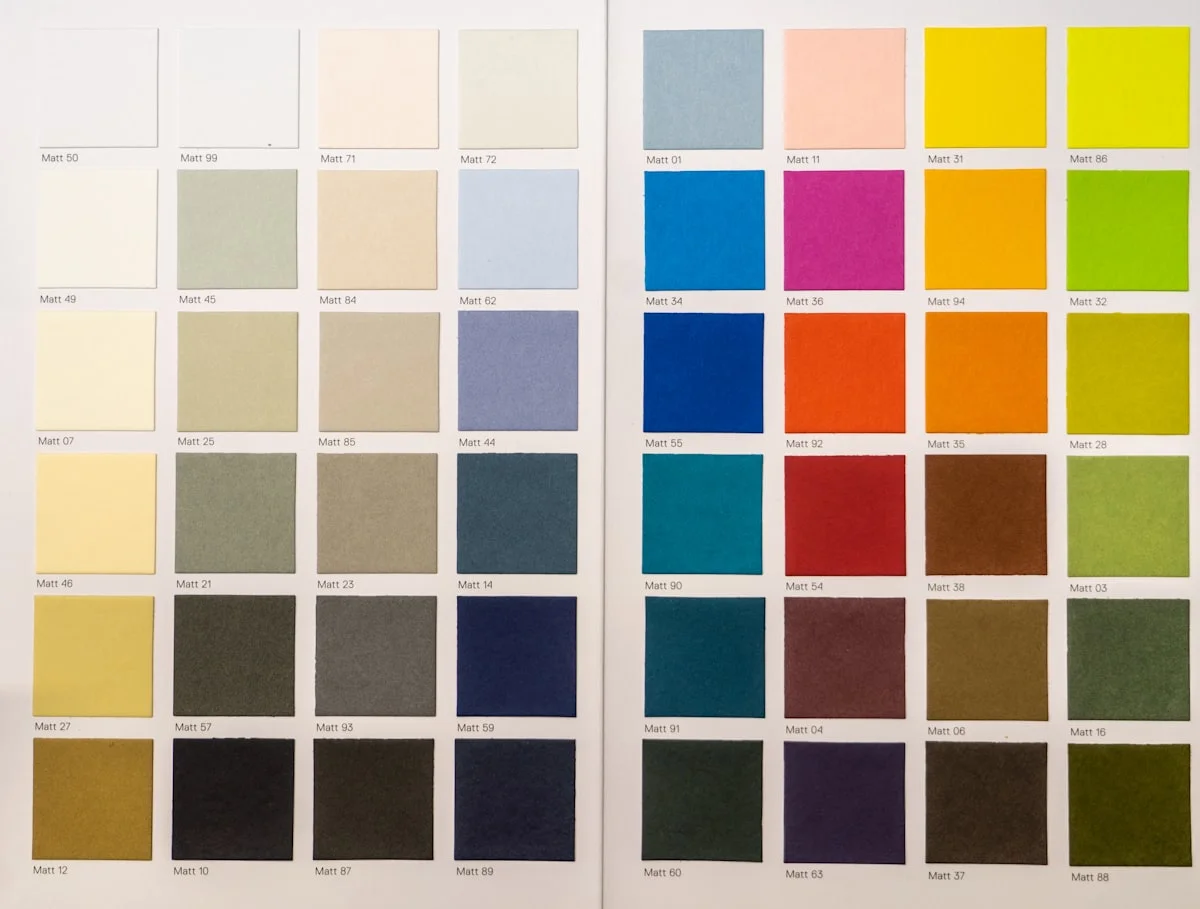
What Color Season Am I?
It comes down to three questions about your natural coloring. First, is your undertone warm (golden or peachy) or cool (pink or blue)? Second, is your overall coloring light or deep? Third, are your features bright and clear, or soft and muted? Put those three answers together and you land in one of the four seasonal families, then a sub-season within it.
Warm + light → Spring
Golden undertones, light-to-medium coloring, and a fresh, clear quality.
Cool + soft → Summer
Cool undertones, light-to-medium coloring, and a soft, muted quality.
Warm + deep → Autumn
Warm undertones, medium-to-deep coloring, and a rich, earthy quality.
Cool + bright → Winter
Cool undertones, high contrast, and a clear, bold quality.
That gets you to your family. From there, a sub-season fine-tunes the palette. Want the shortcut? Our free Color Analysis quiz asks seven questions about your skin, hair, and eyes and names your exact season.
The Three Qualities Behind Every Season
Seasonal color analysis rests on three measurable qualities. Every season is just a different combination of these three.
1. Undertone
Whether your skin leans warm (golden, peachy, olive) or cool (pink, blue). This is the single biggest factor, and it decides whether gold or silver suits you better. Not sure which you are? Take the cool vs warm undertone test.
2. Value
How light or deep your overall coloring is. Light seasons suit soft, airy shades, while deep seasons carry rich, dark colors that lighter coloring cannot.
3. Chroma
How bright or muted your coloring is. Bright seasons come alive in clear, saturated colors, while soft seasons look best in gentle, greyed-down shades.
The Four Seasonal Families
Before the sub-seasons, everyone falls into one of four families. Find the one that sounds most like your natural coloring.
Spring
Warm and clearWarm undertones with light-to-medium coloring. Best in warm, fresh, clear colors like coral, peach, warm green, and golden yellow.
Summer
Cool and softCool undertones with light-to-medium coloring. Best in soft, muted, cool colors like dusty rose, lavender, slate blue, and sage.
Autumn
Warm and deepWarm undertones with medium-to-deep coloring. Best in rich, earthy colors like rust, olive, camel, terracotta, and forest green.
Winter
Cool and brightCool undertones with high-contrast coloring. Best in clear, bold, cool colors like true red, emerald, sapphire, and icy accents.
Fall 2026 Color Direction
Fall 2026 runway and trend reports are converging on a handful of colors: jewel tones like burgundy and plum, cool blues in cobalt and cerulean, and camel as the season's defining neutral. Mapped onto the 12-season system, those three directions land in different families, which is a useful shortcut once you know your own season.
Burgundy, plum, and sapphire blue sit naturally inside the Deep Winter palette, cool blue also shows up in Cool Winter, and camel anchors the Warm Autumn and Soft Autumn families. If you fall into a Spring or Summer season, treat these trend colors as accents away from your face rather than your main palette.
Not sure which of the 12 seasons is yours? Take the free Color Analysis quiz, then come back and shop the trend through your own palette.
The 12 Color Seasons at a Glance
Each family splits into three sub-seasons. This table shows the dominant trait and best colors for all 12, and every season links to its full guide with hex codes.
| Season | Family | Dominant Trait | Best Colors |
|---|---|---|---|
| Light Spring | Spring | Light + warm | Peach, light coral, warm pastels |
| Warm Spring | Spring | Warm + bright | Golden yellow, tomato red, warm green |
| Bright Spring | Spring | Bright + warm | Turquoise, coral, bright green |
| Light Summer | Summer | Light + cool | Powder blue, soft pink, lavender |
| Cool Summer | Summer | Cool + soft | Raspberry, denim blue, cocoa |
| Soft Summer | Summer | Soft + cool | Dusty rose, sage, misty blue-grey |
| Soft Autumn | Autumn | Soft + warm | Camel, dusty rose, soft teal |
| Warm Autumn | Autumn | Warm + rich | Rust, pumpkin, olive green |
| Deep Autumn | Autumn | Deep + warm | Espresso, burnt orange, forest green |
| Deep Winter | Winter | Deep + cool | Black, sapphire, emerald, ruby |
| Cool Winter | Winter | Cool + bright | Royal purple, icy blue, magenta |
| Bright Winter | Winter | Bright + cool | Hot pink, electric blue, pure white |
In-Depth Color Season Guides
Each guide includes the full palette with real hex codes, colors to skip, celebrity examples, a grey-cloth test, and a 10-piece capsule wardrobe. No other free guide gives you the exact hex values.
Soft Summer
SummerThe most muted, cool-leaning member of the Summer family. Think misty, blended, gently greyed-down colors that look effortless together.
Soft Autumn
AutumnThe gentlest, warmest member of the Autumn family. Watercolor-soft earth tones: camel, dusty rose, soft teal, and warm taupe that melt together.
Deep Autumn
AutumnThe darkest, richest member of the Autumn family. Warm, deep, jewel-meets-earth colors: espresso, burnt orange, forest green, and burgundy.
Deep Winter
WinterThe darkest, most dramatic member of the Winter family. Cool, deep, high-contrast jewel tones: black, sapphire, emerald, ruby, and icy accents.
Warm Spring
SpringThe warmest, brightest member of the Spring family. Golden-hour colors: coral, warm turquoise, tomato red, and golden yellow that glow rather than shout.
Warm Autumn
AutumnThe golden heart of the Autumn family. Spiced, earthy colors with real depth: burnt orange, rust, olive green, and mustard that feel like late October light.
Cool Winter
WinterThe most purely cool member of the Winter family. Pure, blue-based colors: true red, magenta, royal blue, and icy pink with clarity but not maximum brightness.
Clear Winter
WinterThe brightest, highest-contrast member of the Winter family. Vivid, cool colors: electric blue, fuchsia, emerald, and true red at maximum clarity.
Light Spring
SpringThe lightest, most delicate member of the Spring family. Fresh warm pastels: peach blossom, butter yellow, soft coral, and powder blue that feel like the first week of spring.
Clear Spring
SpringThe brightest, most vibrant member of the Spring family. Electric warm colors: clear coral, golden yellow, bright emerald, and clear aqua at full saturation.
Light Summer
SummerThe lightest, airiest member of the Summer family. Cool, misty pastels: powder blue, pale rose, pale lavender, and soft sage that feel like a soft morning sky.
Cool Summer
SummerThe archetypal, most purely cool member of the Summer family. Refined blue-based colors: soft navy, dusty rose, dusty teal, and soft plum with a calm, dusky quality.
Where Seasonal Color Analysis Came From
The idea started with Swiss artist Johannes Itten in the 1920s, who noticed his art students naturally gravitated toward colors that matched their own coloring. In 1980, Carole Jackson's bestseller Color Me Beautiful turned it into a household concept and introduced the four-season model.
The more precise 12-season version most analysts use today was developed by Kathryn Kalisz around 2000 through her Sci\ART method, building on Albert Munsell's color system. It splits each of the four seasons into three sub-types, so the palette matches your specific coloring rather than a broad average.
The concept found a whole new audience in the 2020s, when color draping videos on TikTok and Instagram reached billions of views. The appeal is simple: hold the right color next to someone's face and their skin looks clearer almost instantly.
Skip the In-Person Consultation
A professional color draping session usually costs $100 to $300 and takes an hour or more. Our free Color Analysis quiz uses the same three principles, undertone, value, and chroma, to point you to your season in about two minutes. Many people who later book an in-person session tell us their quiz result matched the professional verdict.
How to Use Your Color Season
Shop Smarter
Save your palette to your phone and check it before you buy. Focus your best colors on tops, scarves, and anything near your face, where they do the most work.
Build a Wardrobe
Pick two or three neutrals and two or three accents from your season, then pair them with our Capsule Wardrobe Quiz for a coordinated closet.
Layer with Body Shape
Combine your colors with silhouettes that suit your proportions. Start with the Body Shape Calculator for the full picture.
Color Seasons FAQ
What color season am I?
Your color season depends on three things: your skin undertone (warm or cool), your value (light or deep), and your chroma (bright or muted). Warm and light coloring points to Spring, cool and soft to Summer, warm and deep to Autumn, and cool and high-contrast to Winter. Each of those four families then splits into sub-seasons. The fastest way to find your exact season is to take our free Color Analysis quiz, which reads all three traits in about two minutes.
What is my color season based on?
It is based on your natural coloring, not your favorite colors. Analysts look at your skin undertone (does your skin lean golden or pink?), the value of your coloring (light or deep overall?), and the chroma (are your features bright and clear, or soft and muted?). The combination places you in one of the seasonal families and then a sub-season. Hair, skin, and eye color all feed into it.
How many color seasons are there?
The original system from Carole Jackson's 1980 book used 4 seasons: Spring, Summer, Autumn, and Winter. The more precise modern system splits each of those into sub-seasons, giving 12 (and in some models 16). Each sub-season has its own palette based on which trait dominates: light, deep, warm, cool, bright, or soft. So two people can both be Summer yet look best in very different colors.
What are the 12 color seasons?
The 12 seasons are Light Spring, Warm Spring, and Bright Spring; Light Summer, Cool Summer, and Soft Summer; Soft Autumn, Warm Autumn, and Deep Autumn; and Deep Winter, Cool Winter, and Bright Winter. Each sub-season is defined by one dominant trait plus a secondary one, which is why the palettes look so different from one another even within the same family.
What is the difference between the 4-season and 12-season systems?
The 4-season system sorts everyone into Spring, Summer, Autumn, or Winter. It is simple but can be too broad, since you might look great in only half of your season's colors. The 12-season system (developed by Kathryn Kalisz in 2000) splits each season into three sub-types based on whether your coloring is more light, more warm or cool, or more bright or soft. It gives a palette that matches your specific coloring far more closely.
How do I find my color season at home?
Start with your undertone: check the veins on your inner wrist in daylight (greenish suggests warm, blue or purple suggests cool), and hold gold and silver jewelry to your skin to see which suits you. Then judge your value (is your overall coloring light or deep?) and chroma (bright and clear, or soft and muted?). Put those three together to narrow your family, then drape colors to find your sub-season. Our free quiz walks you through the same logic.
How accurate is an online color season quiz?
For most people, a good quiz gets the main season right and often the sub-season too. It uses the same principles as professional draping (undertone, value, and chroma), just without the fabric swatches. It can be trickier if you sit right on the border between two seasons or your lighting is off. A professional draping session (typically $100 to $300) is the gold standard, but the free quiz is a strong starting point.
Do I have to wear only my season's colors?
No. Your palette is a guide, not a rulebook. The colors that matter most are the ones near your face, since those interact with your skin, hair, and eyes. Bottoms, shoes, and bags can be almost anything. Many people also find that neighboring sub-seasons share colors that suit them, so there is plenty of room to play.
Related Guides and Tools
Color Analysis Quiz
Find your exact color season from seven quick questions about your coloring.
Personal Style Guide
Turn your colors and body shape into a cohesive personal style.
Build a Capsule Wardrobe
Use your palette to build a versatile wardrobe with fewer, better pieces.
All Style Guides
Browse every DiscoverFashions guide, from dress codes to fabrics.
Get Your Color Guide
Subscribe for personalized color palettes and styling tips
Free weekly updates. Unsubscribe anytime.