Old Money Aesthetic: The Complete Style Guide
The old money aesthetic is elegance without effort or announcement — quality fabrics, quiet colors, and impeccable tailoring worn with nothing to prove. Here is how to build the look, whatever your budget.
The old money aesthetic is a style built on understatement: premium natural fabrics, impeccable tailoring, and a neutral palette worn without visible logos. It draws on American prep and European aristocratic dressing, prizing quality and longevity over trends. Quiet luxury is its modern, accessible cousin — the same restraint and craftsmanship, minus the emphasis on inherited wealth.

Where the Old Money Aesthetic Comes From
The old money aesthetic describes the way families with generational wealth have dressed for decades: subtly. It blends 1950s to 1970s American prep with European aristocratic tradition, and its whole point is restraint. Wealth is expressed through craftsmanship, natural materials, and heritage rather than through logos or trends.
The result is a wardrobe of impeccable tailoring, premium fabrics, and pieces meant to last for years, even to be passed down. There are no visible labels and no chasing of seasonal fads. If an outfit looks like it is trying too hard, it sits outside the aesthetic.
You will often see the phrase quiet luxury used alongside it. Quiet luxury emerged after the pandemic as a reaction to logo-heavy excess. It borrows the old money playbook but makes exclusivity about quality and durability rather than lineage, which means anyone can adopt it regardless of financial background. The two overlap heavily, but they are not identical.
Old Money vs. Quiet Luxury
Both prize restraint, neutral palettes, and natural fabrics. The difference is mostly about roots and formality. Here is how they compare, point by point.
| Aspect | Old Money | Quiet Luxury |
|---|---|---|
| Roots | Generational wealth and heritage traditions | A contemporary reaction to logo-heavy excess |
| Formality | More formal, classic tailoring | More relaxed and modern |
| Who it is for | Rooted in "born into it" tradition | Anyone can adopt it, at any budget |
| Silhouette | Traditional, heritage-focused shapes | Minimalist, pared-back shapes |
| Philosophy | Status shown through subtlety | Beauty found in restraint |
| Color | Neutrals with intentional accents | Soft neutrals plus strategic muted tones |
The Old Money Color Palette
The palette does most of the work. The rule of thumb is roughly 70% neutral foundation and 30% muted accent tones. Keep your core in quiet neutrals, then reach for a deeper accent when you want depth. Harper's Bazaar named caramel a soft-power neutral for 2026, a warmer alternative to plain beige. The hex swatches below are visual approximations to illustrate the palette.
Foundation (about 70%)
Ivory
#F3EEE3
Cream
#E7DDC7
Camel
#C19A6B
Taupe
#A79B87
Charcoal
#40403E
Olive
#6B6B47
Deep Navy
#1F2A44
Accents (about 30%)
Deep Burgundy
#722F37
Forest Green
#2E4034
Muted Terracotta
#B4654A
Soft Gray-Blue
#8A99A6
Caramel
#A9744F
Want to know which of these tones complement your natural coloring? Our free Color Analysis tool and seasonal color guide help you personalize the palette.
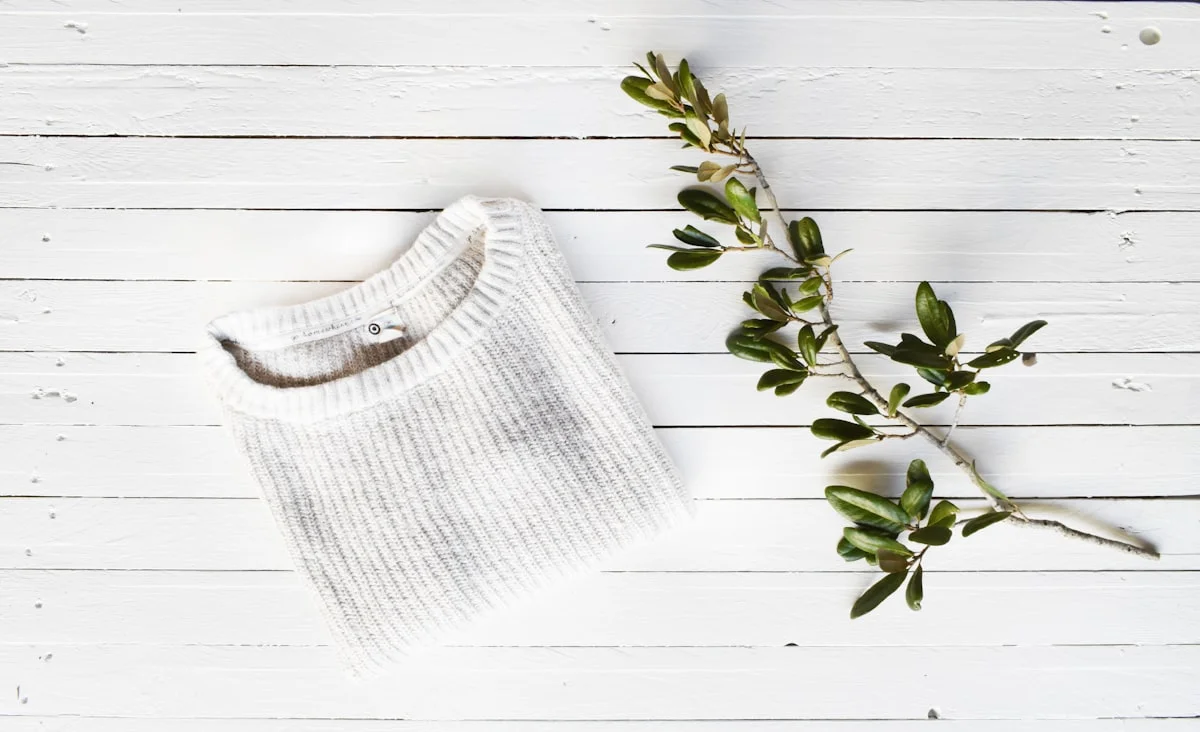
Cashmere
A soft, insulating wool from cashmere goats. Used for crewnecks, cardigans, and wraps.
Merino wool
A fine, lightweight wool for fine-gauge sweaters and tailored blazers.
Silk
A smooth natural fiber for blouses, scarves, and slip dresses.
Linen
A breathable plant fiber for summer trousers, blazers, and jackets.
Fine cotton
Long-staple cotton, often woven as Oxford cloth, for crisp dress shirts.
Wool-blend
A durable blend for tailored trousers and structured outerwear.
The Rules That Make It Work
Six principles do most of the heavy lifting. Follow these and almost any pieces, at any price point, will read as considered and refined.
Fit comes first
Tailoring matters more than any brand name. A well-fitted piece from an accessible label reads better than an expensive one that hangs wrong.
Skip visible logos
The look lives in the details and the fabric, not the label. Choose pieces you would still love with the tag cut out.
Build on neutrals
Keep roughly 70% of your wardrobe in neutral foundation colors and reserve about 30% for muted accent tones.
Choose natural fibers
Cashmere, wool, silk, linen, and long-staple cotton drape better and last longer than most synthetics.
Layer with texture
Instead of bold contrast, create interest by mixing textures — cashmere over cotton, silk under a wool blazer.
Buy for the long term
Favor timeless pieces you can wear for a decade over seasonal trends you will replace in a year.
The 20-Piece Old Money Capsule
A capsule wardrobe is a small, mix-and-match collection of pieces that all work together. This 20-piece foundation covers most days across seasons. Build it slowly, prioritizing fit and fabric over quantity.
For Women
Tops
- Cashmere crewneck sweater
- Silk blouse in white or cream
- Fine cotton Oxford button-down
- Quarter-zip fine knit
- Lightweight cardigan
Bottoms
- Tailored trousers in charcoal or navy
- Wide-leg linen trousers
- Midi skirt in a neutral solid
- Dark-wash straight-leg jeans
Dresses
- Silk or Tencel slip dress
- Silk midi dress
Outerwear
- Tailored blazer in camel or navy
- Trench coat in cream or tan
- Cashmere or wool overcoat
Footwear
- Leather loafers
- Minimalist leather ankle boots
- Ballet flats
Accessories
- Neutral silk scarf
- Leather belt with a subtle buckle
- Structured leather tote
For Men
Tops
- Cashmere or merino crewneck
- Oxford-cloth button-down shirt
- Fine-gauge cardigan
- Quarter-zip knit
Bottoms
- Tailored wool trousers
- Neutral chinos with a clean break
- Dark-wash straight jeans
Outerwear
- Structured navy or camel blazer
- Knee-length overcoat
- Trench coat
Footwear
- Leather penny loafers
- Suede or leather derbies
- Minimalist white leather sneakers
Accessories
- Leather belt matched to shoes
- Silk or wool tie in a muted tone
- Leather weekender or briefcase
10 Old Money Outfit Formulas
These combinations draw entirely from the 20-piece capsule above. Use them as starting points, then swap pieces to suit your day and your proportions.
Classic Day Look
Cashmere crewneck + tailored trousers + camel blazer + leather loafers + simple gold hoops
Polished Casual
Fine cotton button-down + dark-wash jeans + loafers + woven belt + silk scarf
Slip Dress, Two Ways
Silk slip dress + tailored blazer by day, then swap the blazer for a knit wrap by evening
Lightweight Layering
Trench coat + crewneck sweater + linen trousers + ankle boots + structured tote
Quarter-Zip Elegance
Quarter-zip knit + tailored trousers + ballet flats + a delicate necklace
Summer Sophistication
Wide-leg linen trousers + fine cotton tee + cardigan tied at the shoulders + loafers
Midi Skirt Combination
Neutral midi skirt + fitted cashmere + ankle boots + a subtle belt + leather bag
Minimalist Evening
Silk midi dress + structured blazer + ballet flats + minimal jewelry
Layered Neutrals
Cashmere crewneck + wide-leg linen trousers + leather loafers + silk scarf
Weekend Refined
Cashmere sweater + comfortable straight jeans + white leather sneakers + cardigan draped over the shoulders
The most complementary silhouettes depend on your proportions. Confirm yours with our free Body Shape Calculator and see our guide to dressing for your body shape. For example, a wrap dress or belted blazer defines the waist beautifully on an hourglass shape. Curious how other styles approach the same proportions? Our guide to fashion aesthetics covers body-shape tips for coquette, dark academia, clean girl, and more.
Old Money Style for Men
The same 70/30 palette and natural-fabric rules apply on the menswear side, just built around structured tailoring rather than dresses and slip skirts.
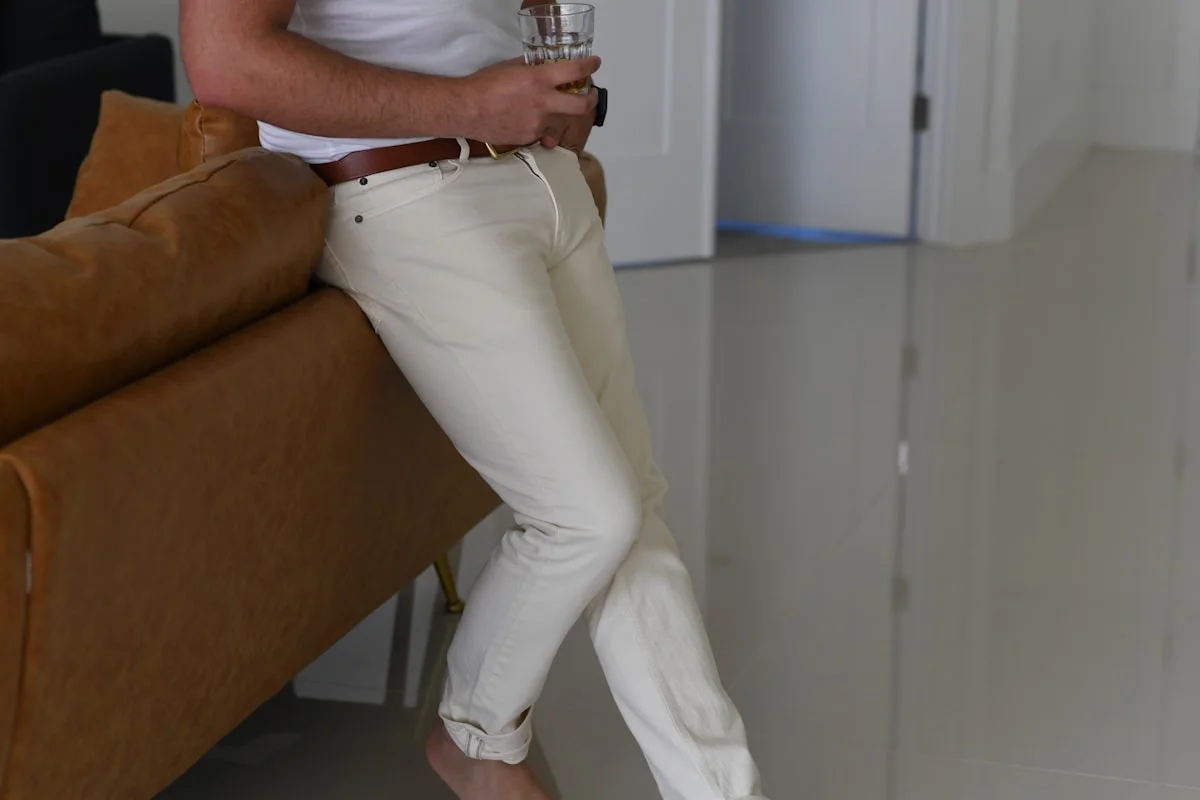
Old money style for men centers on tailoring that fits without looking stiff. A structured blazer in navy or camel, an Oxford-cloth button-down, and wool or cotton chinos with a clean break at the shoe form the backbone of the look. Ties are optional for most daytime occasions. When one is worn, it should be silk or wool in a muted, unpatterned tone rather than anything flashy.
Fit is what separates this from off-the-rack tailoring. A jacket should sit close through the shoulders without pulling, trousers should break just once at the shoe, and a belt should always match the leather of the shoes. None of this requires designer labels; a well-tailored chino from an accessible brand reads more old money than an ill-fitting luxury suit.
Layering does the seasonal work. A quarter-zip knit or cashmere crewneck under a blazer covers cool weather; a trench coat or wool overcoat covers cold weather. In warmer months, linen shirts and suede loafers worn without socks keep the same restrained palette while staying breathable.
Men's Outfit Formulas
Weekend Uniform
Oxford-cloth button-down + neutral chinos + leather penny loafers + a belt matched to the shoes
Smart Layered
Quarter-zip knit + tailored wool trousers + suede derbies + a knee-length overcoat
Blazer Standard
Structured navy blazer + Oxford shirt, no tie + neutral chinos + leather loafers
Coastal Casual
Lightweight linen shirt + rolled chinos + suede loafers worn sockless
Cold Weather Layering
Cashmere or merino crewneck + tailored wool trousers + trench coat + leather derbies
Evening Polish
Tailored navy suit + crisp white Oxford shirt + a muted silk tie + polished leather derbies
The most complementary cut depends on your build. See our guide to dressing for your body shape for tailoring tips by proportion.
Brands: Investment and Accessible
You do not need luxury labels to build the look — fit and fabric matter far more than the name. Think of this as investment pieces versus accessible ones. Put your money into a few anchors, then fill in with affordable, well-made basics.
Investment (Heritage & Craftsmanship)
Known for natural fabrics and construction. Best reserved for a handful of long-term pieces, or bought secondhand.
- Loro Piana — Italian alpine-wool and cashmere expertise
- Brunello Cucinelli — Hand-finished Italian knitwear
- The Row — Minimalist American luxury
- Max Mara — Architectural Italian outerwear
- Ralph Lauren Purple Label — American heritage with preppy roots
- Brooks Brothers — American prep pioneer with 190+ years of heritage
Accessible (Quality Without the Premium)
Deliver natural-fiber basics and tailored staples at friendlier prices. Ideal for building most of your capsule.
- Quince — Natural-fiber basics, including cashmere, at lower price points
- Everlane — Transparent pricing and quality staples
- Uniqlo — Japanese minimalism and dependable basics
- Massimo Dutti — Mid-range tailored sophistication
- J.Crew — Accessible American prep
- COS — Contemporary minimalist silhouettes
A note on price: brand pricing changes constantly, so treat these as general tiers rather than exact figures. The most reliable path is to prioritize fit and natural fibers, shop secondhand for heritage pieces, and tailor what you already own.
How to Start on a Budget
Quiet luxury exists precisely so this look is not gated behind inherited wealth. The strategy is simple: invest where it shows, economize where it does not, and build slowly.
1. Buy three to five anchors first
A tailored blazer, a crisp white shirt, neutral trousers, a cashmere crewneck, and leather loafers combine into dozens of outfits. Spend a little more here — these earn their keep.
2. Fill in with accessible basics
Round out the capsule with natural-fiber pieces from accessible brands. A well-fitted basic always reads better than an expensive piece that hangs wrong.
3. Prioritize fit and tailoring
A small tailoring bill — taking in a waist, hemming trousers, adjusting a blazer — transforms how a garment sits. It is the single highest-return move in the whole aesthetic.
4. Shop secondhand for heritage
Resale platforms make heritage-quality coats, knitwear, and bags far more accessible. Vintage pieces also fit the timeless, pre-loved spirit of the look.
Keep Building Your Style
Old Money Style Quiz
Find out whether you lean Classic Old Money, Modern Quiet Luxury, Preppy Heritage, or Eclectic Contemporary.
Personal Style Guide
Define your overall style identity and build a wardrobe that reflects who you are.
Dress for Your Body Shape
Pair the old money palette with the silhouettes that complement your proportions.
Build a Capsule Wardrobe
A step-by-step guide to a small, versatile wardrobe you actually love to wear.
Explore Every Fashion Aesthetic
Old money is one of eight styles we cover — see coquette, dark academia, clean girl, and more.
Frequently Asked Questions
What is the old money aesthetic?
The old money aesthetic is a style rooted in generational wealth and aristocratic tradition that expresses status through subtlety rather than display. It favors premium natural fabrics, impeccable tailoring, and a neutral palette with no visible logos. The look draws on 1950s to 1970s American prep and European aristocratic dressing, and it prizes quality and longevity over trends.
What is the difference between old money and quiet luxury?
Old money is lineage-based, tied to generational wealth and heritage traditions. Quiet luxury is philosophy-based: anyone can embrace its restraint and craftsmanship regardless of financial background. They share the same aesthetic DNA — neutral palettes, natural fabrics, no logos — but quiet luxury is the modern, more accessible and casual interpretation.
Can I dress old money on a budget?
Yes. Quiet luxury was popularized as an accessible interpretation of the look. Invest in three to five core pieces, such as a white shirt, a tailored blazer, neutral trousers, a cashmere crewneck, and leather loafers, then fill in with accessible brands like Quince, Everlane, Uniqlo, or J.Crew. Prioritize fit through tailoring, and shop secondhand for heritage pieces.
Can I wear color with the old money aesthetic?
Yes, but strategically. Keep about 70% of your wardrobe in neutral foundation colors like ivory, camel, and navy, then use roughly 30% accent tones such as deep burgundy, forest green, or muted terracotta. Monochromatic and analogous combinations with texture variation work best; bright or pastel hues sit outside the palette.
What colors define the old money palette?
The foundation is neutral: ivory, cream, camel, taupe, charcoal, olive, and deep navy. Accent tones add depth in small doses: deep burgundy, forest green, muted terracotta, soft gray-blue, and warm caramel. Harper’s Bazaar named caramel a soft-power neutral for 2026, a warm alternative to plain beige.
How do I tell if a garment is genuinely good quality?
Check the fiber content for natural materials such as 100% wool, cashmere, silk, or long-staple cotton. Feel the weight and hand — quality fabric feels substantial rather than flimsy. Inspect the seams for neat, reinforced construction, and try the piece on so you can see how it moves with your body. Quality garments drape cleanly and hold their shape.
Is the old money aesthetic only for one gender?
No. Both men and women can build the look from the same principles: quality, fit, restraint, and natural fabrics. Women often favor midi skirts, slip dresses, and tailored blazers, while men lean into tailored trousers, Oxford shirts, and structured blazers. The core rules stay the same across the board.
How do I build an old money wardrobe for my body shape?
Start with the silhouettes that complement your proportions, then apply the neutral palette and quality fabrics on top. A wrap dress or belted blazer defines the waist on an hourglass shape, an A-line midi skirt balances a pear shape, and a column silhouette suits a rectangle shape. Use our free Body Shape Calculator to confirm your proportions first.
Which pieces should I invest in first?
Begin with versatile anchors: a tailored blazer in camel or navy, a crisp white shirt, neutral tailored trousers, a cashmere crewneck, and a pair of leather loafers. These five pieces combine into dozens of outfits and form the backbone of a 20-piece capsule you can expand slowly over time.
About This Guide
Sources
The definitions, palette, fabric, and styling guidance in this guide are synthesized from fashion publications including Vogue, Harper's Bazaar, GQ, WWD, Elle, and The Zoe Report. Palette hex values are visual approximations, and brand tiers are general rather than exact pricing.
Reviewed by DiscoverFashions Editorial Team
Our editorial team reviews all style guides for accuracy, body-positive language, and practical usefulness.
Get Weekly Style Tips
Join thousands of women discovering their perfect style. Get exclusive fashion tips, trend alerts, and style guides delivered to your inbox.
Free weekly updates. Unsubscribe anytime.