Silk Fabric Guide: Types, Care & Styling
Silk is the oldest luxury fabric still in everyday use. Chinese empress Leizu is credited with discovering it around 2700 BC, and the fiber has kept its reputation for over four thousand years. This guide covers 12 types of silk, momme weight, how to tell real silk from synthetic imitations, and care instructions.
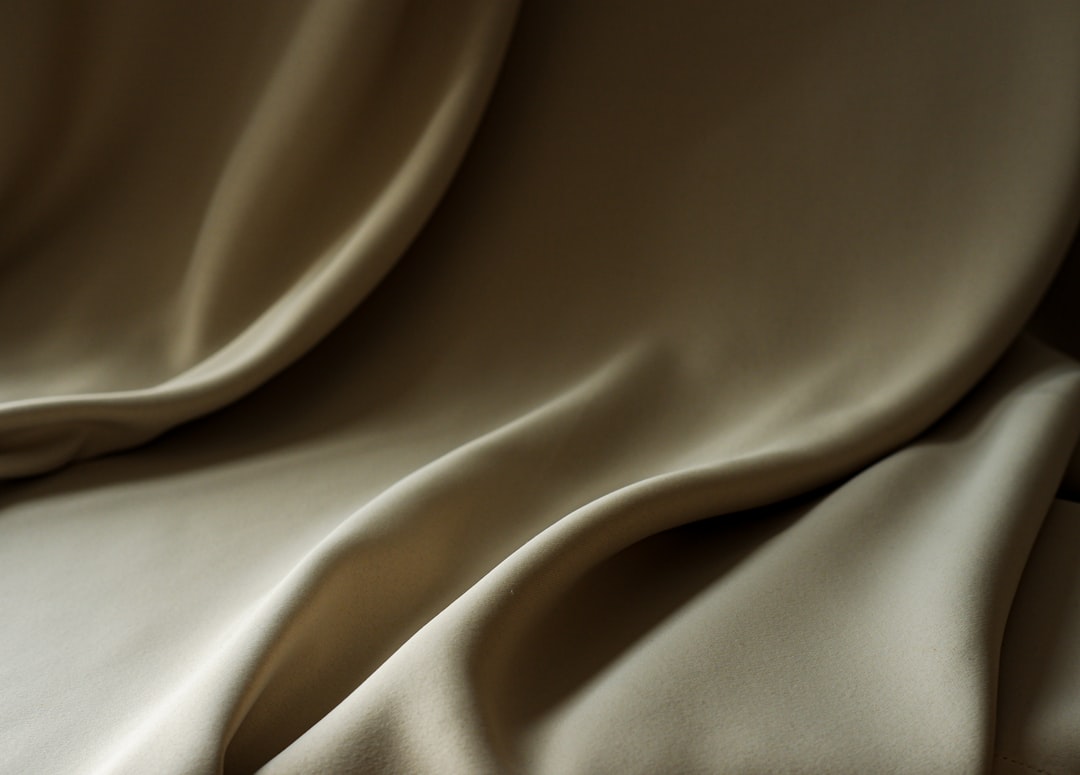
Silk is silk is a natural protein fiber produced by silkworms, specifically the larvae of Bombyx mori moths. The fiber consists primarily of fibroin protein, coated in a gummy substance called sericin that gets removed during processing. A single silk filament can stretch up to 900 meters long. Silk is sometimes blended with wool for warmth, cotton for breathability, or polyester for wrinkle resistance. — silk is the oldest luxury fabric still in everyday use. Chinese empress Leizu is credited with discovering it around 2700 BC, and the fiber has kept its reputation for over four thousand years. This guide covers 12 types of silk, momme weight, how to tell real silk from synthetic imitations, and care instructions. Best for: Evening gowns and formal wear, Professional blouses and dress shirts, Scarves and accessories. Find which fabrics suit your proportions with our free Body Shape Calculator.
Origin
Silk originated in China around 2700 BC. Chinese empress Leizu is credited with discovering the fiber when a cocoon fell into her tea and began to unravel. The Silk Road trade route was named after this precious fabric, which was once valued more highly than gold by weight. Today, China produces around 58,000 metric tons annually and India around 35,000 metric tons, according to the International Sericultural Commission. Together they account for over 90% of global raw silk production.
Composition
Silk is a natural protein fiber produced by silkworms, specifically the larvae of Bombyx mori moths. The fiber consists primarily of fibroin protein, coated in a gummy substance called sericin that gets removed during processing. A single silk filament can stretch up to 900 meters long. Silk is sometimes blended with wool for warmth, cotton for breathability, or polyester for wrinkle resistance.
History of Silk
Silk production remained a closely guarded Chinese secret for nearly 3,000 years. Smuggling silkworm eggs out of China carried the death penalty. The secret eventually spread to Korea, Japan, and India through trade and espionage. By the 6th century AD, Byzantine emperor Justinian I reportedly had monks smuggle silkworm eggs to Constantinople hidden in hollow bamboo canes. The fiber reached Europe through the Silk Road, a 4,000 mile network of trade routes connecting East Asia to the Mediterranean. Italian cities like Florence and Venice became major silk weaving centers by the 13th century. The French city of Lyon dominated European silk production from the 17th century onward. Industrial weaving arrived in the 1800s, making silk more accessible, though it remained a premium material.
How Silk Is Made
Sericulture
Silkworms (Bombyx mori) hatch from eggs and feed on fresh mulberry leaves for about six weeks. Each worm eats roughly 50,000 times its body weight in leaves before it is ready to spin.
Cocoon Spinning
The mature worm secretes liquid silk from two glands in its head, which hardens on contact with air. Over two to three days, it wraps a single continuous filament up to 900 meters long around itself, forming a cocoon.
Cocoon Harvesting
Cocoons are collected and sorted by quality. In conventional production, cocoons are heated to preserve the continuous filament. Peace silk (Ahimsa silk) skips this step, allowing moths to emerge naturally, though the resulting fiber is shorter.
Reeling
Cocoons are softened in hot water to dissolve the sericin binding. Filaments from five to eight cocoons are unwound simultaneously and twisted together to form a single silk thread.
Throwing
Silk threads are twisted at varying tensions to create different yarn types. Tighter twists produce crisper fabrics, looser twists produce softer drape. The twist direction and tension determine the final fabric character.
Degumming and Finishing
Woven silk is boiled to remove remaining sericin, then dyed or printed. Some silks receive special finishes for water resistance or wrinkle reduction.
Key Characteristics
- Lustrous, smooth appearance with a natural sheen that catches light
- Temperature regulating: insulates in winter, breathes in summer due to its protein structure
- Hypoallergenic and naturally resistant to dust mites, mold, and mildew
- Absorbs up to 30% of its weight in moisture without feeling damp
- One of the strongest natural fibers: a silk filament has tensile strength comparable to steel wire of the same diameter
- Drapes fluidly and follows the body without clinging
- Provides some natural UV protection (though not enough to replace sunscreen)
- Lightweight: a silk blouse weighs significantly less than cotton or linen equivalents
- Biodegradable at end of life
Types of Silk
Each type has unique properties that affect how it drapes, feels, and performs in different garments.
Mulberry Silk
The gold standard, produced by domesticated Bombyx mori worms fed exclusively on mulberry leaves. Accounts for roughly 90% of commercial silk. Finest texture, strongest luster, and most uniform color of any silk type.
Charmeuse
A lightweight weave with a glossy face and matte back. The satin weave structure gives charmeuse its signature fluid drape that clings gently without feeling restrictive. Popular for evening gowns, camisoles, lingerie, and slip dresses.
Dupioni
Crisp, slightly stiff texture with visible slubs (small irregular bumps in the weave). These imperfections are the point, giving the fabric visual depth and character. Popular for bridal wear, structured blazers, and formal jackets.
Habotai (China Silk)
A plain-weave silk that is lighter and more affordable than charmeuse. Soft, smooth hand with a subtle sheen rather than high gloss. Wrinkles more easily but its light weight makes it comfortable in warm weather. Used for linings, scarves, and summer blouses.
Raw Silk (Tussah)
Made from wild silkworms (primarily Antheraea species) that feed on oak leaves rather than mulberry. Coarser fiber with a textured matte finish and natural tan color. Costs less than cultivated silk and has a more casual, earthy quality.
Chiffon
Sheer and lightweight with a slightly rough texture despite its delicate appearance. Woven from tightly twisted yarns, giving it a distinctive floaty quality. Harder to sew than most silks. Used for overlay layers, evening scarves, and bridal veils.
Organza
Crisp and sheer with a stiff drape. Holds its shape better than chiffon, which is why it gets used for structured elements like bows, ruffles, and full skirts that need volume without weight.
Crepe de Chine
Medium-weight silk with a pebbly texture created by alternating S-twist and Z-twist yarns. Better wrinkle resistance than smooth silks, making it one of the more practical options for everyday wear. Good for professional blouses and midi skirts.
Georgette
Similar to chiffon but slightly heavier with more texture. Grainy surface that does not cling as much as charmeuse. Drapes well without being transparent, making it forgiving for layered outfits.
Satin Silk
Silk fibers woven in a satin weave pattern, producing an exceptionally glossy face and dull back. The difference between silk satin and polyester satin is noticeable in hand feel, breathability, and how light plays across the surface.
Noil (Silk Noil)
Made from short silk fibers left over after combing longer filaments. Matte, slightly nubby texture that looks more like cotton than traditional silk. Breathes well and washes more easily than most silks.
Mikado
A heavyweight silk blend (usually silk and polyester) with a structured, almost architectural drape. Holds shape without being stiff. Bridal designers use it for clean-lined gowns and tailored jackets.
What Does Silk Cost?
Real mulberry silk fabric runs approximately $15-$50 per yard depending on weight and weave. A finished silk blouse from a reputable brand typically starts around $80-$150. Silk bedding ranges from $50 for a basic pillowcase to $300+ for a full sheet set in 22-25 momme weight. Raw silk and silk noil cost less than charmeuse or satin silk. Price correlates with momme weight: higher momme means more silk per square yard and a higher price tag.
How to Check Silk Quality Before Buying
Four tests help identify real silk. The touch test: real silk warms to your skin temperature quickly, while polyester stays cool and feels more slippery than smooth. The ring test: genuine silk passes through a ring smoothly despite its density, while synthetics bunch up. The burn test (destructive, use a sample): real silk smells like burning hair, produces crumbly ash, and the flame self-extinguishes; polyester melts into a hard bead and smells like plastic. The price test: if a "100% silk" blouse costs significantly less than expected, it probably is not real silk. For silk bedding, look for momme weight on the label. Under 19 momme is too thin for quality bedding. 22 momme is the sweet spot for pillowcases.
How to Wash and Care for Silk
Hand wash in cool water (below 30 C) with a pH-neutral detergent or baby shampoo. Swirl gently for 3-5 minutes without twisting or wringing.
Machine washing is possible for some silks: use a mesh laundry bag, delicate cycle, cold water, and skip the spin cycle if your machine allows it.
Air dry flat or on a padded hanger. Never tumble dry silk. Keep away from direct sunlight, which fades colors and weakens the fiber.
Iron on the lowest heat setting while slightly damp, on the reverse side. A pressing cloth between iron and fabric adds protection.
For stains, blot immediately with cool water. For wine or coffee, dab with a mixture of cool water and white vinegar. For oil stains, sprinkle cornstarch, let sit for a few hours, then brush off.
Dry clean structured garments like blazers, tailored dresses, and embellished pieces where water might damage the construction.
Store silk in breathable cotton garment bags or acid-free tissue paper. Avoid plastic bags (they trap moisture) and cedar chests (oils can stain silk).
Never spray perfume or hairspray directly on silk; the alcohol damages the fibers.
When to Use Silk
Best For
- Evening gowns and formal wear
- Professional blouses and dress shirts
- Scarves and accessories
- Lingerie and sleepwear
- Bridal wear
- Ties and pocket squares
- Pillowcases and luxury bedding (19-25 momme)
- Lightweight layering and travel (packs small, shakes out wrinkles)
Avoid For
- Intense physical activity (shows sweat stains quickly)
- Small children's daily clothing (too delicate and expensive to replace)
- Outdoor work or gardening
- Situations with snag risk (crowded events, rough surfaces)
Silk for Your Body Shape
How you wear silk matters as much as what you wear. Here are tailored tips for each body shape.
Hourglass Shape
Charmeuse wrap dresses and silk camisoles follow your natural lines without adding bulk. Crepe de chine midi skirts define the waist while the fabric's weight prevents static cling.
Pear Shape
Silk blouses in charmeuse or crepe de chine with cowl, boat, or V-necklines draw attention upward. Dupioni blazers add structure to your shoulders, balancing the silhouette.
Apple Shape
Habotai and georgette tops in relaxed cuts drape softly without hugging the midsection. Charmeuse V-neck styles create a long visual line through the torso.
Rectangle Shape
Charmeuse wrap tops and ruched dresses create the illusion of curves through draping. Dupioni peplum tops add volume at the hip, and asymmetric silk blouses break up straight lines.
Inverted Triangle Shape
Silk cowl necks and V-necklines in crepe de chine soften broad shoulders. Satin silk A-line skirts add volume below the waist for balance.
Sustainability
Conventional silk production kills silkworms in the cocoon stage, which raises legitimate ethical concerns. Peace silk (Ahimsa silk) lets the moth emerge and break through the cocoon naturally before harvesting, though the resulting fiber is shorter and more irregular. Wild silk (Tussah) comes from wild silkworms that feed on naturally available leaves, reducing the agricultural footprint. Recycled silk uses pre-consumer or post-consumer silk waste but is not widely available yet. On the environmental side, silk production uses less water than cotton and no petrochemicals (unlike polyester), but sericulture requires land for mulberry tree cultivation.
Certification Standards
These third-party certifications help you verify responsible sourcing and manufacturing:
OEKO-TEX Standard 100
Tests silk for over 100 harmful substances including pesticides, heavy metals, and formaldehyde. Ensures the finished product is safe for direct skin contact.
Global Organic Textile Standard (GOTS)
Certifies that silk was produced with organic farming practices and fair labor conditions throughout the supply chain, from sericulture through finishing.
Fair Trade
Verifies that silk workers receive fair wages and work in safe conditions. Particularly relevant for hand-reeled silk from small-scale producers in India and Southeast Asia.
Frequently Asked Questions
Can you wash silk at home?
Yes. Most silk garments can be hand washed in cool water with a gentle, pH-neutral detergent or baby shampoo. Swirl gently for a few minutes, rinse in cool water, and lay flat to dry. Some silks can go in the machine on a delicate cycle inside a mesh bag. Always check the care label first.
What does momme mean for silk?
Momme is the standard weight measurement for silk. It measures the weight in pounds of a piece of silk 100 yards long by 45 inches wide. Higher momme means thicker, more durable, more opaque fabric. For clothing, 12-19 momme is standard. For bedding, look for 19-25 momme. 22 momme is the most popular for pillowcases.
How can you tell if silk is real?
Four tests work well: the touch test (real silk warms to skin temperature), the ring test (real silk slides through a ring smoothly), the burn test (real silk smells like burning hair and produces crumbly ash), and the price test (genuine mulberry silk fabric runs $15-50 per yard, so very cheap silk is likely synthetic).
Is silk worth the price?
For pieces you wear regularly, quality silk justifies the cost through comfort, temperature regulation, and longevity. A well-cared-for silk blouse can last a decade or more. For pieces you would rarely wear, polyester satin achieves a similar visual effect at a fraction of the price. Silk pillowcases are a good entry point at $30-60.
Does silk work for every body type?
Silk is one of the most versatile fabrics for different body shapes because of how it drapes. The key is choosing the right type of silk weave. Charmeuse flows over curves, dupioni adds structure, and georgette skims without clinging. Our Body Shape Calculator can help match you with the best silk styles for your proportions.
What is the difference between silk and satin?
Silk is a natural fiber. Satin is a weave pattern. You can have silk satin (silk fibers in a satin weave), polyester satin, or cotton satin. When a product says "satin" without specifying the fiber, it is usually polyester. Silk satin breathes better and feels warmer than polyester satin.
How do you remove wrinkles from silk?
Steam is the gentlest method. Hang the garment in a steamy bathroom or use a handheld steamer at a safe distance. If ironing, use the lowest heat setting on the reverse side with a pressing cloth. Iron while the silk is still slightly damp for best results.
Is silk sustainable?
Silk is more sustainable than polyester (no petrochemicals, biodegradable) but raises ethical questions about silkworm treatment. Peace silk and wild silk offer more ethical alternatives. Look for OEKO-TEX, GOTS, or Fair Trade certifications. Silk production uses less water than cotton per kilogram of fiber.
What is the best silk for pillowcases?
Mulberry silk in 19-25 momme weight. 22 momme is the most popular choice because it balances durability, softness, and price. Higher momme (25+) feels more luxurious but costs significantly more. Charmeuse weave is standard for pillowcases because of its smooth surface.
Can silk be worn in summer?
Silk is an excellent summer fabric. Its natural temperature regulation keeps you cooler than polyester, and it wicks moisture away from skin. Lightweight types like habotai, chiffon, and georgette (6-16 momme) work best for hot weather. The main drawback is that silk shows perspiration stains more readily than cotton.
Silk vs Satin
These two fabrics are often compared. Here's how they differ in key properties:
| Property | Silk | Satin |
|---|---|---|
| Breathability | Excellent natural breathability and temperature regulation year-round | Varies by fiber: polyester satin traps heat, silk satin breathes like silk |
| Durability | Moderate durability, delicate but strong for its weight | Moderate to high; polyester satin is more resilient than silk satin |
| Care Difficulty | High care: hand wash or dry clean recommended for most pieces | Moderate: polyester satin is machine washable; silk satin needs similar care to silk |
| Price Range | $50-300+ per garment; fabric runs $15-50 per yard | $20-200+ depending on fiber; polyester satin starts around $5 per yard |
| Best Season | All seasons due to natural temperature regulation | All seasons; especially popular for fall and winter formal events |
| Best For | Blouses, scarves, evening wear, bridal gowns, luxury bedding | Formal wear, lingerie, bedding, event dresses, accessories |
How Silk Compares
Wondering whether silk is right for you? See how it stacks up against similar fabrics.
Silk vs Cotton
- Price: Premium
- Seasons: Spring, Summer, Fall, Winter
- Lustrous, smooth appearance with a natural sheen that catches light
- Price: Budget-Friendly
- Seasons: Spring, Summer, Fall
- Breathable: hollow fiber structure lets air circulate against your skin
Silk vs Linen
- Price: Premium
- Seasons: Spring, Summer, Fall, Winter
- Lustrous, smooth appearance with a natural sheen that catches light
- Price: Mid-Range
- Seasons: Spring, Summer
- Extremely breathable: linen's hollow fiber structure allows more air flow than cotton, keeping you noticeably cooler in heat
Silk vs Wool
- Price: Premium
- Seasons: Spring, Summer, Fall, Winter
- Lustrous, smooth appearance with a natural sheen that catches light
- Price: Mid-Range
- Seasons: Fall, Winter
- Absorbs up to 30% of its weight in moisture vapor while the scaly surface repels liquid water droplets
Get Fabric Care Tips
Subscribe for fabric care guides and wardrobe tips
Free weekly updates. Unsubscribe anytime.