Cotton Fabric Guide: Types & Care
Cotton is the world's most popular clothing fiber, and for good reason. It breathes, it softens with every wash, and it works in nearly every garment you own. This guide covers 20 cotton fabric types, how to care for each one, and which weights and weaves complement different body shapes.
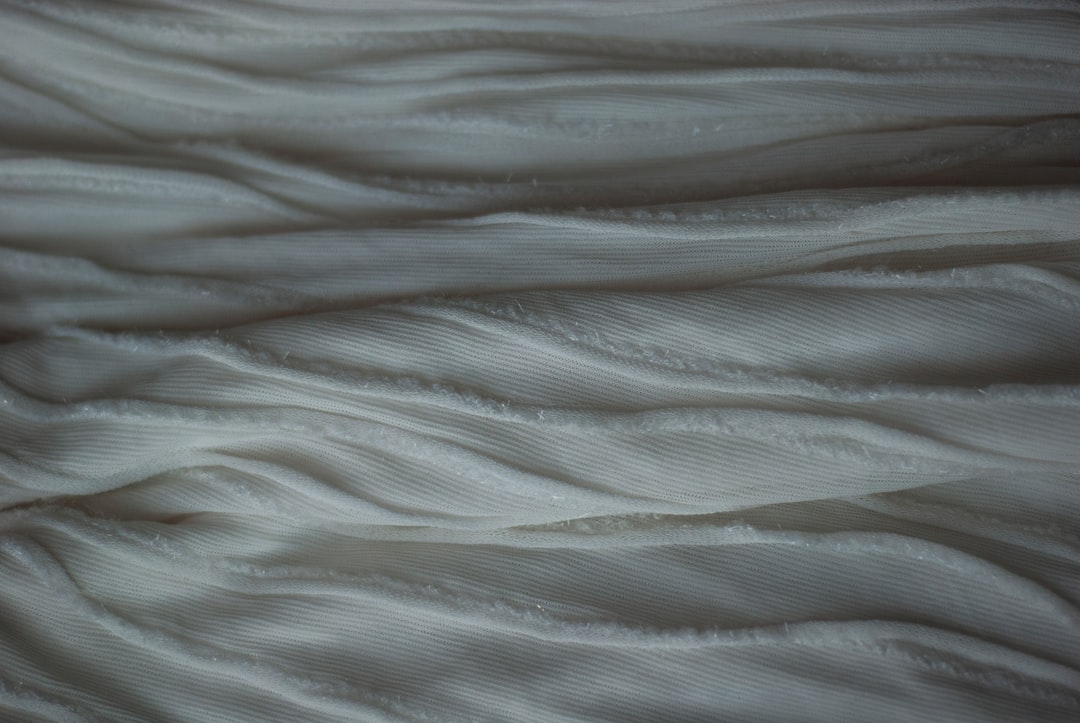
Cotton is 100% natural cellulose fiber from the cotton plant (Gossypium). The plant produces fluffy white bolls around its seeds, and these fibers are spun into yarn. Cotton is often blended with polyester (for wrinkle resistance), spandex (for stretch), or linen (for texture). — cotton is the world's most popular clothing fiber, and for good reason. It breathes, it softens with every wash, and it works in nearly every garment you own. This guide covers 20 cotton fabric types, how to care for each one, and which weights and weaves complement different body shapes. Best for: T-shirts and casual tops (jersey knit), Summer dresses and lightweight skirts (voile, lawn), Underwear and loungewear (soft, breathable). Find which fabrics suit your proportions with our free Body Shape Calculator.
Origin
Cotton has been cultivated for over 7,000 years. The earliest evidence comes from the Indus Valley (modern-day Pakistan) around 5000 BCE, where archaeologists found fragments of cotton fabric. Independently, communities in Peru were also growing cotton around the same period. By the Middle Ages, cotton had spread through the Arab world to Europe. The Industrial Revolution transformed cotton production when Eli Whitney's cotton gin (1793) made processing 50 times faster. Today, the top producers are China, India, the United States, Brazil, and Pakistan, which together grow roughly 75% of the world's cotton.
Composition
100% natural cellulose fiber from the cotton plant (Gossypium). The plant produces fluffy white bolls around its seeds, and these fibers are spun into yarn. Cotton is often blended with polyester (for wrinkle resistance), spandex (for stretch), or linen (for texture).
History of Cotton
Cotton's story stretches back at least 7,000 years. Fragments of cotton fabric found at Mohenjo-daro in the Indus Valley date to around 3000 BCE. Separately, the Aztec and Maya civilizations cultivated a different cotton species (Gossypium hirsutum) in Central America. Arab traders brought cotton westward, and by the 1200s it had reached Italy and Spain. The real turning point came in 1793, when Eli Whitney patented the cotton gin, a machine that could separate cotton fibers from seeds 50 times faster than doing it by hand. This made cotton so cheap that it became the world's dominant textile fiber, a position it still holds today. Modern cotton accounts for roughly 24% of all fiber used in clothing worldwide.
How Cotton Is Made
Growing
Cotton plants need warm weather, moderate rainfall, and about 5-6 months to mature. The Gossypium plant produces cream-colored flowers that develop into bolls, each containing 20-30 seeds wrapped in white fibers.
Harvesting
When bolls open and the fibers are exposed, the cotton is ready to pick. In the US and Australia, mechanical harvesters collect the crop. In India, Egypt, and parts of Africa, much is still picked by hand, which preserves longer fiber length.
Ginning
The cotton gin separates fibers from seeds and plant debris. Modern roller gins handle long-staple varieties more gently than saw gins, which are faster but can break fibers. Clean fibers are pressed into 480-pound bales for shipping.
Spinning
Cotton fibers are drawn, twisted, and wound into yarn. Ring spinning produces stronger, smoother yarn (used in premium fabrics), while open-end spinning is faster and cheaper (used in everyday basics like t-shirts).
Weaving or Knitting
Yarn is either woven on looms (creating poplin, twill, denim) or knitted on machines (creating jersey, pique, rib knit). The construction method determines the fabric's stretch, weight, and drape.
Finishing
Raw fabric goes through bleaching, dyeing, and optional treatments. Mercerizing (treating with sodium hydroxide) increases luster and dye uptake. Sanforizing (pre-shrinking) reduces shrinkage to under 1%. These steps turn raw cloth into the fabric you find in stores.
Key Characteristics
- Breathable: hollow fiber structure lets air circulate against your skin
- Gets softer with every wash, unlike most synthetic fabrics
- Absorbs up to 27 times its own weight in water
- Hypoallergenic and gentle on sensitive or eczema-prone skin
- Strong when wet, which means it holds up well in the washing machine
- Takes dye easily, so colors stay rich and even
- Naturally biodegradable at end of life
- Wrinkles without blends or finishing treatments
- Shrinks 3-5% on first wash if not pre-shrunk
Types of Cotton
Each type has unique properties that affect how it drapes, feels, and performs in different garments.
Pima Cotton
Grown primarily in the American Southwest and Peru. Extra-long staple fibers (over 1.4 inches) make it exceptionally soft with a subtle sheen. A favorite for premium t-shirts and dress shirts that need to last.
Supima Cotton
A trademarked variety of Pima cotton grown exclusively in the United States. Only about 1% of global cotton production qualifies. The Supima association certifies each garment for authenticity.
Egyptian Cotton
Grown in the Nile River Valley where the warm climate and rich soil produce long, fine fibers. The most sought-after variety is Giza 45, which has fibers over 1.5 inches long. Best known for luxury bedding and fine dress shirts.
Sea Island Cotton
The rarest and most expensive cotton variety, originally from the Caribbean. Fibers can reach over 2 inches, producing an almost silky fabric. Production is very limited, under 100 tons per year worldwide.
Organic Cotton
Grown without synthetic pesticides, herbicides, or genetically modified seeds. GOTS-certified organic cotton must contain at least 95% organic fibers. It tends to feel slightly softer because the fibers are not chemically processed.
Cotton Poplin
A tightly woven plain-weave cotton with a smooth, slightly crisp finish. The dense weave gives it structure, making it ideal for button-down shirts, blouses, and tailored trousers.
Cotton Jersey
A single-knit fabric with natural stretch and a soft drape. The go-to for t-shirts, casual dresses, and loungewear. Lightweight jersey works for summer; heavier weights layer well in cooler months.
Cotton Flannel
Brushed on one or both sides to raise the fibers, creating a soft, slightly fuzzy surface that traps warmth. Perfect for pajamas, casual shirts, and cool-weather layering pieces.
Cotton Voile
A semi-sheer, lightweight fabric with a soft drape. Used for summer blouses, layered skirts, and curtains. It wrinkles less than most cotton weaves because of its loose, airy construction.
Cotton Lawn
Similar to voile but with a crisper hand, thanks to a tighter weave. Liberty of London made lawn famous with their printed fabrics. Great for summer dresses and lightweight button-ups.
Cotton Sateen
Woven with a satin weave pattern, giving it a smooth, lustrous surface. Feels silkier than other cottons. Popular for bedding (sateen sheets) and evening blouses.
Cotton Twill
Recognizable by the diagonal rib pattern on the surface. Stronger and more durable than plain-weave cottons. Used for chinos, work pants, and structured jackets.
Denim
A sturdy twill-weave cotton, traditionally dyed with indigo. Originally designed for workwear, now found in everything from jeans to jackets. Raw (unwashed) denim develops unique fade patterns over time.
Chambray
Often mistaken for denim, but chambray is a plain weave that uses a colored warp and white weft thread. The result is lighter, softer, and more breathable than denim. Works well in shirts and casual blazers.
Cotton Canvas
A heavy, plain-weave cotton originally used for sails and tents. Very durable, holds its shape well. Now used in tote bags, sneakers, work jackets, and structured shorts.
Muslin
A loosely woven, lightweight cotton. Dressmakers use it for test garments (called "toiles") before cutting expensive fabric. Also used for baby swaddles and cleaning cloths.
Cotton Gauze
An open-weave fabric that is extremely light and airy. Common in warm-climate clothing, beach cover-ups, and layered bohemian-style garments. Wrinkles are part of its relaxed character.
Seersucker
A puckered cotton fabric created during the weaving process by alternating slack and tight warp threads. The puckers keep the fabric away from your skin, improving airflow. Practically wrinkle-proof, which makes it popular for summer suits and travel clothing.
Cotton Corduroy
Made with extra sets of fibers that form parallel ridges (called wales). The width of the wales varies: pinwale corduroy has thin ridges, while wide-wale has thick ones. Warm, textured, and great for fall and winter trousers or jackets.
Cotton Broadcloth
A smooth, medium-weight plain-weave cotton with a slight sheen. Often used for dress shirts and formal blouses. It has a tighter weave than poplin, giving it a bit more body.
Cotton Oxford
A basket-weave cotton with a slightly textured surface. Heavier than poplin, it is the classic fabric for Oxford button-down shirts. Casual enough for weekends, structured enough for the office.
Cotton Batiste
A very fine, soft plain-weave cotton, similar to lawn but slightly thicker. Used for heirloom baby clothing, handkerchiefs, and lightweight summer blouses.
Cotton Pique
A knit or woven cotton with a raised, waffle-like texture. Most polo shirts are made from cotton pique. The texture adds visual interest and improves breathability.
What Does Cotton Cost?
A basic cotton t-shirt costs $10 to $30, depending on the brand and fabric weight. Premium Pima or Egyptian cotton pieces typically run $40 to $100. Organic cotton carries a 20-30% price premium over conventional, but the gap has narrowed as demand grows. For bedding, expect $50-150 for a quality cotton sheet set in percale or sateen. Supima-branded items tend to cost more because the Supima association certifies that the cotton is 100% American-grown Pima, and only about 1% of the world's cotton qualifies.
How to Check Cotton Quality Before Buying
Forget thread count. The single best indicator of cotton quality is fiber (staple) length. Short-staple fibers (under 1 inch) produce rougher, less durable fabric. Long-staple fibers (1.1 to 1.4 inches) are smoother and stronger. Extra-long staple fibers (over 1.4 inches), found in Pima and Egyptian cotton, create the softest, most durable fabric. When shopping, check the label for "Pima," "Supima," or "Egyptian" as quality indicators. In stores, try the hand test: rub the fabric between your fingers. Quality cotton feels smooth and dense, not thin or papery. If you can see through it easily when held up to light, the weave is too loose for a garment meant to last.
How to Wash and Care for Cotton
Wash in cold or warm water (30-40 C). Hot water causes shrinkage and fading.
Tumble dry on low heat, or hang dry to extend the garment's life.
Iron on medium-high heat while the fabric is still slightly damp for best results.
Separate darks and lights. Cotton absorbs dye readily, and loose dye transfers easily.
Turn printed or dark cotton garments inside out before washing to protect the surface.
Skip the fabric softener on towels; it coats the fibers and reduces absorbency.
Store cotton clothing folded or on padded hangers. Wire hangers can stretch the shoulders.
When to Use Cotton
Best For
- T-shirts and casual tops (jersey knit)
- Summer dresses and lightweight skirts (voile, lawn)
- Underwear and loungewear (soft, breathable)
- Button-down shirts for work (poplin, oxford)
- Jeans and casual trousers (denim, twill)
- Children's clothing (gentle on skin, easy to wash)
- Bed linens and towels (absorbent, durable)
- Activewear basics (cotton-blend tees)
- Pajamas and sleepwear (flannel, jersey)
Avoid For
- Formal evening wear (wrinkles quickly without a blend)
- Heavily structured blazers (needs polyester or wool for shape retention)
- Cold-weather outer layers (poor insulation when wet)
- Swimwear (absorbs water, gets heavy, dries slowly)
- Moisture-wicking sportswear for high-intensity workouts (stays damp longer than synthetics)
Cotton for Your Body Shape
How you wear cotton matters as much as what you wear. Here are tailored tips for each body shape.
Hourglass Shape
Cotton jersey and stretch poplin follow your natural curves without adding bulk. Fitted cotton tees and wrap dresses in medium-weight jersey are a natural match. Look for cotton-spandex blends (97/3 ratio) for comfortable structure.
Pear Shape
Structured cotton poplin or oxford cloth for tops draws the eye upward. For bottoms, darker cotton twill or denim in a straight or bootcut creates a clean lower silhouette. A-line cotton skirts also work beautifully.
Apple Shape
Lightweight cotton jersey drapes softly without clinging to the midsection. V-neck cotton tees elongate the torso, and empire-waist cotton dresses define the narrowest point above the waist. Avoid stiff, heavy cottons that add visual volume.
Rectangle Shape
Textured cottons like flannel, chambray, and corduroy add visual depth. Peplum cotton tops and printed jersey dresses create the appearance of curves. Cotton voile or gauze in layered styles also adds dimension.
Inverted Triangle Shape
Soft cotton jersey for tops balances broader shoulders, while structured cotton in full or A-line skirts adds volume to the lower body. Cotton poplin in a wider-leg trouser works well for proportion balance.
Sustainability
Cotton's environmental impact depends on how it is grown. Conventional cotton occupies about 2.5% of the world's arable land but accounts for roughly 16% of global insecticide use, according to the Pesticide Action Network. Water usage averages around 8,920 liters per kilogram of lint, though 73% of that comes from rainfall, not irrigation (ICAC 2024 analysis of 38 countries). Organic cotton eliminates synthetic pesticides and fertilizers entirely, and typically uses 20-30% less water because healthier soil retains moisture better. If sustainability matters to you, look for GOTS-certified or BCI (Better Cotton Initiative) labels when shopping.
Certification Standards
These third-party certifications help you verify responsible sourcing and manufacturing:
GOTS (Global Organic Textile Standard)
The most comprehensive organic textile certification. Products labeled "organic" must contain at least 95% certified organic fibers. GOTS also covers environmental processing standards and fair labor conditions throughout the supply chain.
OEKO-TEX Standard 100
Tests finished textiles for over 100 harmful substances, including pesticide residues, heavy metals, and formaldehyde. Every component of the product is tested, down to the sewing thread and buttons. Good for anyone with sensitive skin or allergies.
Better Cotton Initiative (BCI)
Trains farmers in sustainable practices like water efficiency and reduced pesticide use. BCI cotton is not organic, but it represents a step toward more responsible farming. About 22% of global cotton production is now BCI-certified.
Supima
Certifies that the cotton is 100% American-grown Pima cotton with extra-long staple fibers. Only about 1% of global cotton qualifies. Each Supima garment can be traced back to one of roughly 500 licensed American farms.
Frequently Asked Questions
Is cotton good for hot weather?
Yes. Cotton's hollow fiber structure allows air to circulate between the fabric and your skin. It absorbs sweat and releases it through evaporation, keeping you cooler. Lightweight weaves like voile, lawn, and gauze work best in heat. Avoid heavy cotton twill or denim in extreme temperatures.
How do I prevent cotton from shrinking?
Wash in cold water (30 C or below) and tumble dry on low heat, or hang dry. Most shrinkage happens during the first wash. Pre-shrunk or Sanforized cotton has already been treated and will shrink less than 1%. Always check the care label before the first wash.
What is the difference between organic and regular cotton?
Organic cotton is grown without synthetic pesticides, herbicides, or GMO seeds. It typically uses 20-30% less water because healthier soil retains moisture better. The fabric tends to feel slightly softer since fibers are not chemically processed. Organic cotton costs 20-30% more, but the price gap is narrowing. Look for GOTS certification to verify organic claims.
Is cotton suitable for all body types?
Cotton works with every body shape because it comes in so many weights and weaves. Lightweight jersey drapes softly and moves with curves. Structured poplin and oxford cloth provide clean lines. Stretchy cotton-spandex blends offer support. The key is matching the right cotton type to your body and the garment style. Try our Body Shape Calculator to find which cotton weaves complement your proportions.
What is the best cotton for sensitive skin?
Pima and Egyptian cotton are the gentlest options because their extra-long staple fibers create a smoother surface with fewer fiber ends to irritate skin. Organic cotton is also a good choice since it is free from pesticide residues and chemical finishes. Look for OEKO-TEX Standard 100 certification, which tests for over 100 harmful substances in the finished fabric.
How do I tell good cotton from bad cotton?
Check fiber length first. Labels that mention "Pima," "Supima," or "Egyptian" indicate long or extra-long staple cotton, which is softer and more durable. In a store, rub the fabric between your fingers: quality cotton feels smooth and dense, not thin or scratchy. Hold it up to light; if you can see through it easily, the weave is too loose for a garment meant to last. Ignore thread count for clothing; it is mostly a bedding marketing term.
How much does quality cotton clothing cost?
Basic cotton t-shirts run $10 to $30. Premium Pima or Egyptian cotton pieces typically cost $40 to $100. Organic cotton carries a 20-30% price premium over conventional, though the gap has been shrinking. For reference, Supima-certified items tend to sit at the higher end because only about 1% of global cotton qualifies for the Supima label.
What are good alternatives to cotton fabric?
Linen breathes even better than cotton and gets softer with age, but it wrinkles more. Bamboo viscose feels silky smooth and has natural antibacterial properties. Tencel (lyocell) matches cotton in comfort while using about 80% less water in production. Hemp is extremely durable and softens with each wash, though it has a rougher initial texture than cotton.
Cotton vs Linen
These two fabrics are often compared. Here's how they differ in key properties:
| Property | Cotton | Linen |
|---|---|---|
| Breathability | Good breathability, absorbs moisture well. Cooler than synthetics, but holds more moisture than linen. | Superior breathability and airflow. Dries 20% faster than cotton, making it the better choice in extreme heat. |
| Durability | Very durable, withstands frequent machine washing. Averages 5-10 years for everyday garments with regular use. | Extremely durable, actually gets stronger when wet. Quality linen garments can last 20+ years with proper care. |
| Care | Easy care: machine washable, tumble dry on low, minimal fuss. The most low-maintenance natural fiber. | Moderate care: machine washable but wrinkles heavily. Many people embrace the wrinkles as part of linen's character. |
| Price Range | $10-50 for most garments. Cotton is the most affordable natural fiber for clothing. | $40-150+ for quality pieces. Linen costs more because flax yields less fiber per acre than cotton. |
| Best Season | Three-season versatility (spring, summer, early fall). Flannel and corduroy extend cotton into winter. | Best for summer and warm climates. Less versatile in cooler weather without layering. |
| Best For | Everyday basics: t-shirts, jeans, underwear, bed linens. The workhorse of most wardrobes. | Elevated casual: resort wear, summer blazers, relaxed trousers. More of a statement fabric. |
How Cotton Compares
Wondering whether cotton is right for you? See how it stacks up against similar fabrics.
Cotton vs Linen
- Price: Budget-Friendly
- Seasons: Spring, Summer, Fall
- Breathable: hollow fiber structure lets air circulate against your skin
- Price: Mid-Range
- Seasons: Spring, Summer
- Extremely breathable: linen's hollow fiber structure allows more air flow than cotton, keeping you noticeably cooler in heat
Cotton vs Silk
- Price: Budget-Friendly
- Seasons: Spring, Summer, Fall
- Breathable: hollow fiber structure lets air circulate against your skin
- Price: Premium
- Seasons: Spring, Summer, Fall, Winter
- Lustrous, smooth appearance with a natural sheen that catches light
Cotton vs Wool
- Price: Budget-Friendly
- Seasons: Spring, Summer, Fall
- Breathable: hollow fiber structure lets air circulate against your skin
- Price: Mid-Range
- Seasons: Fall, Winter
- Absorbs up to 30% of its weight in moisture vapor while the scaly surface repels liquid water droplets
Get Fabric Care Tips
Subscribe for fabric care guides and wardrobe tips
Free weekly updates. Unsubscribe anytime.