Wool Fabric: 10 Types, Care & Styling
Wool is a natural protein fiber grown by sheep and several other animals. The fiber structure is unique: each strand has an outer layer of overlapping scales (called the cuticle) that repels water on the surface while the inner cortex absorbs moisture vapor. This is why a wool sweater can soak up to 30% of its weight in water and still feel dry to the touch. Fiber diameter ranges from 11.5 microns for ultrafine merino to 40+ microns for carpet-grade wool, and that number alone determines whether the fabric feels soft against skin or makes you itch. The thinner the fiber, the more it bends before triggering the nerve endings in your skin.
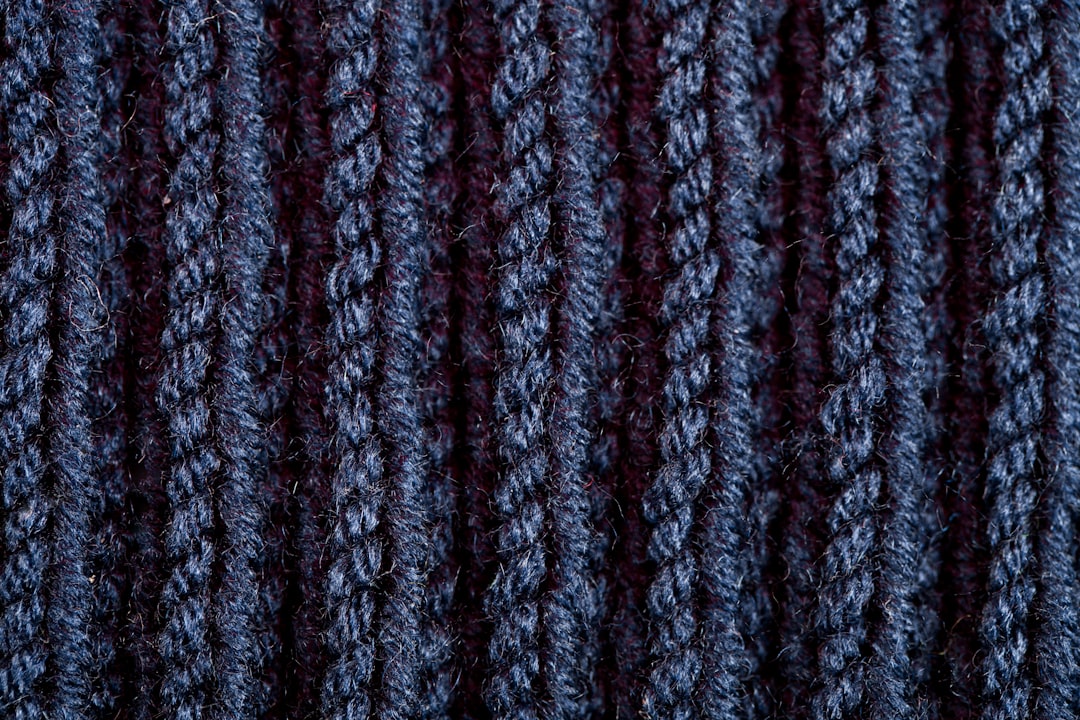
Wool is wool is a keratin protein fiber, the same protein family found in human hair and fingernails. Each fiber grows from a follicle in the sheep's skin and has three structural layers: the cuticle (outer scales), the cortex (main body), and sometimes a medulla (hollow core in coarser fibers). Fiber diameter is measured in microns and ranges from about 11.5 for ultrafine merino to 40+ for coarse breeds like Lincoln or Romney. Wool is often blended with polyester for wrinkle resistance, nylon for strength, or elastane for stretch. A "pure new wool" label means the fiber has never been recycled or reprocessed. — wool is a natural protein fiber grown by sheep and several other animals. The fiber structure is unique: each strand has an outer layer of overlapping scales (called the cuticle) that repels water on the surface while the inner cortex absorbs moisture vapor. This is why a wool sweater can soak up to 30% of its weight in water and still feel dry to the touch. Fiber diameter ranges from 11.5 microns for ultrafine merino to 40+ microns for carpet-grade wool, and that number alone determines whether the fabric feels soft against skin or makes you itch. The thinner the fiber, the more it bends before triggering the nerve endings in your skin. Best for: Winter coats and jackets, where insulation and wind resistance matter, Suits and blazers that need to hold their shape through a full workday, Sweaters and cardigans for layering in cooler months. Find which fabrics suit your proportions with our free Body Shape Calculator.
Origin
Sheep were first domesticated roughly 10,000 to 11,000 years ago in Mesopotamia, but early sheep had hair, not wool. Selective breeding for woollier coats started around 6,000 BC. The oldest confirmed wool textile fragments, found in a Danish bog, date to roughly 1,500 BC. Australia, China, and New Zealand are the three largest producers today. Australia alone accounts for about 24% of global clean wool output, with most of that coming from Merino flocks in New South Wales and Western Australia.
Composition
Wool is a keratin protein fiber, the same protein family found in human hair and fingernails. Each fiber grows from a follicle in the sheep's skin and has three structural layers: the cuticle (outer scales), the cortex (main body), and sometimes a medulla (hollow core in coarser fibers). Fiber diameter is measured in microns and ranges from about 11.5 for ultrafine merino to 40+ for coarse breeds like Lincoln or Romney. Wool is often blended with polyester for wrinkle resistance, nylon for strength, or elastane for stretch. A "pure new wool" label means the fiber has never been recycled or reprocessed.
History of Wool
Sheep domestication began around 10,000 to 11,000 years ago in the Fertile Crescent, but those early animals had hair coats, not woolly fleece. Over thousands of years of selective breeding, farmers developed sheep with finer, denser wool. The oldest surviving wool textile fragments come from Scandinavian bogs and date to roughly 1,500 BC. Ancient Romans ran large-scale wool mills, and medieval England built much of its wealth on the wool trade. The Lord Chancellor in the House of Lords still sits on a wool-stuffed seat called the Woolsack, a symbol that dates to the 14th century. Spain guarded its Merino flocks so closely that exporting a Merino sheep was punishable by death until the late 1700s. Once Merinos reached Australia in 1797, the country's wool industry grew rapidly. Today Australia produces about 24% of the world's clean wool supply. China is the second-largest producer, and New Zealand the third.
How Wool Is Made
Shearing
Sheep are shorn once a year, typically in spring before warm weather arrives. A skilled shearer uses electric clippers and can shear a sheep in two to three minutes. Each animal produces 2 to 15 kg of raw wool (called a fleece) in a single session, depending on the breed. Merino sheep tend toward the higher end because they have been bred for dense, fine fleece.
Scouring
Raw wool is greasy. It contains lanolin (natural wax), suint (dried sweat salts), dirt, and vegetable matter. Scouring washes the fleece through a series of alkaline baths at 60 to 70 degrees Celsius. This process removes 30 to 70% of the raw fleece weight. The recovered lanolin is used in cosmetics and pharmaceutical products.
Carding
Clean fibers are passed through rollers covered with fine wire teeth. Carding disentangles the fibers, removes remaining impurities, and aligns them into a thin web. The web is then condensed into a soft, continuous rope called a sliver. This step determines the evenness of the final yarn.
Combing and Spinning
For worsted yarn, the sliver is combed to remove short fibers (called noils) and align the remaining long fibers in parallel. The combed sliver is then drawn and spun into smooth, tightly twisted yarn. Woolen yarn skips the combing step, producing a softer, loftier thread from randomly arranged shorter fibers. The choice between worsted and woolen determines whether the finished fabric feels crisp or soft.
Weaving or Knitting
Wool yarn is woven on looms into fabrics like tweed, flannel, gabardine, and crepe, or knitted into jersey, rib, and cable-knit textiles. Woven fabrics are generally more structured and durable. Knitted fabrics are stretchier and more comfortable for close-fitting garments. The weave or knit pattern, along with the yarn weight, determines the fabric's drape, warmth, and texture.
Finishing
Raw fabric goes through several finishing steps. Fulling shrinks and thickens the cloth by applying heat, moisture, and mechanical pressure. Brushing raises a soft nap on the surface (as in flannel). Some fabrics are treated for moth resistance, water repellency, or anti-shrink properties. Decatizing (steaming under pressure) sets the final dimensions and surface finish.
Key Characteristics
- Absorbs up to 30% of its weight in moisture vapor while the scaly surface repels liquid water droplets
- Crimped fiber structure traps air pockets, providing insulation even when the fabric is wet
- Natural lanolin residue gives mild antibacterial properties, which is why wool resists odor between washes
- Each fiber can bend over 20,000 times before breaking, compared to roughly 3,000 for cotton
- Self-extinguishing when exposed to flame, it chars rather than melting onto skin like synthetics
- Springs back to shape after stretching, which is why wool suits hold their drape over a long day
- Available in weights from sheer crepe (under 150 GSM) to heavy coating (over 500 GSM)
- Naturally UV-resistant, blocking a portion of harmful solar radiation
Types of Wool
Each type has unique properties that affect how it drapes, feels, and performs in different garments.
Merino Wool
Fiber from Merino sheep, the breed developed in Spain and now raised mainly in Australia, New Zealand, and South Africa. Fiber diameter ranges from 11.5 microns (ultrafine) to about 24 microns (standard merino). The fine fibers bend away from skin rather than poking into it, which is why merino rarely causes itching. Commonly used for base layers, performance activewear, sweaters, and lightweight knitwear. Expect to pay $60 to $200 for a quality merino sweater.
Lambswool
The first shearing from a young lamb, usually at six to seven months old. The fiber tips are naturally tapered and uncut, making them softer than any subsequent clip from the same animal. Diameter typically falls between 19 and 23 microns. Lambswool is springy and warm, commonly used for sweaters, scarves, and blankets. It is widely available and more affordable than merino.
Shetland Wool
From Shetland sheep, a small breed native to Scotland's Shetland Islands. Fiber diameter is 23 to 25 microns, giving it a slightly rougher hand than merino but good durability. Shetland comes in a wide range of natural colors, from white and grey to brown and nearly black. Traditional Fair Isle knitting patterns use Shetland yarn.
Mohair
Not technically sheep wool. Mohair comes from Angora goats, raised mainly in South Africa, Turkey, and Texas. The fibers are 25 to 40 microns and have a distinctive luster and sheen that no sheep wool matches. Mohair is strong, takes dye well, and is commonly blended with wool for suiting fabric. Kid mohair (from young goats) is finer at 24 to 28 microns and softer.
Alpaca
From alpacas, raised primarily in Peru and Bolivia. Huacaya alpaca fiber is about 20 to 30 microns and has a fluffy, crimped texture similar to sheep wool. Suri alpaca fiber is straighter, silkier, and finer at around 15 microns. Alpaca contains no lanolin, which makes it a good option for people who react to lanolin in sheep wool. It is warmer than sheep wool but does not have the same elasticity.
Tweed
A rough-textured wool fabric woven in a twill or plain weave, traditionally made in Scotland and Ireland. Harris Tweed, which must be hand-woven in the Outer Hebrides by law, is the most well-known variety. Tweed is heavy and durable, often featuring herringbone, check, or windowpane patterns. It is a classic choice for blazers, sport coats, and outerwear.
Flannel
A soft, brushed wool fabric with a slightly fuzzy surface. It can be woven or knitted, though woven flannel is more common for tailoring. Wool flannel is a staple for winter trousers, suits, and skirts. It drapes well, feels smooth against skin, and provides good warmth without excessive weight. Lighter flannel (around 270 GSM) works for year-round suiting in temperate climates.
Gabardine
A tightly woven worsted wool with a clear diagonal twill on the face and a smooth back. Invented by Thomas Burberry in 1879, originally for raincoats. Gabardine is dense, wind-resistant, and holds a sharp crease, making it popular for trousers, trench coats, and structured outerwear. It is more formal than flannel and more durable than most other suitings.
Boucle
Woven or knitted from yarns with loops and curls, creating a textured, nubby surface. The iconic Chanel jacket uses boucle wool. The texture adds visual interest and can create the appearance of depth in solid colors. Boucle is popular for jackets, coats, and skirts, but the looped surface can snag easily, so it requires careful handling.
Worsted vs. Woolen
These are not types of wool but two different spinning methods. Worsted yarn is combed to align long fibers in parallel, then tightly spun into a smooth, strong thread. It produces crisp, durable fabrics like suiting and gabardine. Woolen yarn uses shorter, uncombed fibers spun loosely, creating softer, loftier fabric like tweeds and chunky knits. The same raw wool can produce either, depending on how it is processed.
What Does Wool Cost?
Wool pricing depends on fiber type, weave, and brand. A basic lambswool sweater runs $40 to $80. Merino knitwear sits between $60 and $200, with Australian and New Zealand merino at the higher end. Wool suits range from $150 for off-the-rack blends to $800 or more for full-canvassed suits in Super 120s or finer. Tweed blazers and coats fall in the $100 to $400 range. For outerwear, expect $150 to $600 depending on weight and lining. The "Super" number on suiting fabric refers to the maximum fiber diameter in microns: Super 100s means fibers are 18.5 microns or finer, Super 120s means 17.5 or finer. Higher Super numbers feel softer and drape better, but they also wear out faster and cost more. If you are buying your first wool suit, Super 100s to 110s offers the best balance of comfort and durability for daily wear.
How to Check Wool Quality Before Buying
Start with the label. Look for fiber content, country of origin, and any quality designations. The Woolmark logo (managed by Australian Wool Innovation) guarantees the product is made from 100% new wool that meets specific performance standards. For suits, check the "Super" number and whether the construction is fused, half-canvassed, or full-canvassed. Full-canvassed jackets drape better and last longer. For knitwear, check the ply: single-ply is lighter but less durable; two-ply is the standard for quality sweaters. Squeeze the fabric and release it. Good wool springs back without deep creases. If it feels scratchy against your inner wrist, the fiber diameter is probably above 25 microns, and it will itch against your neck too. For coats, heavier is not always better; a tightly woven 400 GSM fabric can be warmer than a loosely woven 500 GSM one because the tight weave blocks more wind.
How to Wash and Care for Wool
Check the care label first because not all wool is the same. Many merino and machine-washable wool items handle a gentle cycle at 30 degrees Celsius. Anything labeled "dry clean only" should go to a professional.
Use a pH-neutral, wool-specific detergent. Standard laundry soap is alkaline and damages the fiber's cuticle scales, causing felting and shrinkage.
Never wring or twist a wet wool garment. The fibers stretch permanently when waterlogged and under tension. Instead, press the water out by rolling the item in a clean towel.
Lay flat on a drying rack or dry towel, away from direct heat and sunlight. Hanging a wet sweater stretches the shoulders and body.
Store folded, not hung. Gravity pulls knits out of shape over time. Place cedar blocks or dried lavender sachets nearby, since moth larvae feed on the keratin protein in unwashed fibers.
Steam wrinkles out rather than ironing directly. If you do iron, use the wool setting and place a pressing cloth between the iron and the fabric.
You do not need to wash wool after every wear. Most garments only need washing every 5 to 10 wears. Between washes, hang the piece in fresh air for a few hours to release odor and let the fibers recover.
For pilling, use a fabric shaver or a fine-tooth sweater comb. Work gently in one direction. Higher-quality, longer-staple wool pills less than cheaper short-fiber yarns.
When to Use Wool
Best For
- Winter coats and jackets, where insulation and wind resistance matter
- Suits and blazers that need to hold their shape through a full workday
- Sweaters and cardigans for layering in cooler months
- Scarves, hats, and gloves, especially in merino for softness against skin
- Dress trousers in flannel or gabardine for a polished, professional look
- Blankets and throws, since wool regulates temperature while you sleep
- Activewear and base layers in merino, popular for hiking and outdoor sports
Avoid For
- Hot and humid summer days, unless you stick to very lightweight merino under 150 GSM
- People with lanolin sensitivity or confirmed wool allergy (try merino or alpaca first)
- High-intensity gym workouts where heavy sweating and frequent machine washing are unavoidable
- Wardrobes that demand toss-in-the-machine, tumble-dry convenience for every item
Wool for Your Body Shape
How you wear wool matters as much as what you wear. Here are tailored tips for each body shape.
Hourglass Shape
A fitted merino V-neck sweater or a wool wrap coat follows your natural waist. Wool jersey dresses are another option that moves with your curves without clinging. Stick with medium-weight wool rather than heavy chunky knits, which can overwhelm your proportions.
Pear Shape
Structured wool blazers and boucle jackets add visual weight to your shoulders and upper body, bringing your proportions into balance. For the lower half, dark flannel trousers or an A-line wool skirt create a smooth, unbroken line from waist to hem.
Apple Shape
V-neck merino sweaters and open-front wool cardigans draw a vertical line through your outfit and elongate the torso. Choose single-layer knits rather than heavy cable-knit patterns around the midsection. A well-cut wool blazer with a single button at the waist creates structure.
Rectangle Shape
Textured fabrics like tweed and boucle add visual dimension to a straight silhouette. Belted wool coats and peplum wool jackets create the appearance of a defined waist. Consider color-blocked wool pieces that draw the eye to specific areas.
Inverted Triangle Shape
Fine-gauge merino knits on top keep the shoulder area sleek, while a full wool skirt or wide-leg flannel trousers add volume below the waist. Avoid heavy shoulder padding in wool blazers and thick turtleneck collars that visually widen the upper frame.
Sustainability
Wool is biodegradable. Buried in soil, it breaks down within a few years and releases nutrients back into the ground. It is also renewable: each sheep regrows a full fleece every year. On the other side, sheep farming generates methane, uses grazing land, and raises animal welfare questions around practices like mulesing (surgical removal of skin folds, still common in some Australian flocks). The Responsible Wool Standard (RWS), managed by Textile Exchange, certifies farms that meet animal welfare and land management requirements. New criteria released in December 2025 become mandatory by December 2027. Recycled wool, made by mechanically breaking down old garments and re-spinning the fibers, avoids these farming concerns entirely. The main trade-off is shorter staple length, which increases pilling. Still, a well-made wool garment that lasts 10 to 15 years has a lower environmental cost per wear than a cheap synthetic piece replaced every season.
Certification Standards
These third-party certifications help you verify responsible sourcing and manufacturing:
Woolmark
Managed by Australian Wool Innovation, the Woolmark logo certifies that a product is made from 100% new wool meeting defined quality and performance standards. It is one of the most recognized textile certification marks in the world.
Responsible Wool Standard (RWS)
A voluntary standard from Textile Exchange that covers animal welfare, land management, and chain of custody from farm to final product. Updated criteria released December 2025 become effective December 2026 and mandatory by December 2027.
Global Organic Textile Standard (GOTS)
Certifies organic wool from sheep raised without synthetic pesticides on organically managed pastures. Covers the entire processing chain including dyeing and finishing.
ZQ Merino
A New Zealand-based certification program that traces merino fiber from specific farms with verified animal welfare, environmental, and social standards. Used by brands like Icebreaker and Allbirds.
Frequently Asked Questions
Does wool make you itchy?
It depends on the fiber diameter. Coarse wool above 25 microns can trigger itching because the stiff fibers poke into skin and stimulate nerve endings. Merino wool at 18 microns or finer bends away from skin instead of poking in, so most people find it comfortable. If standard wool bothers you, try superfine merino (under 16 microns) or alpaca, which has no lanolin.
How do I prevent wool from pilling?
Pilling happens when short fibers work loose through friction and tangle into small balls on the surface. Wash wool garments inside out and on a gentle cycle. Avoid rubbing the fabric against rough surfaces like backpack straps or seatbelts. When pills appear, remove them with a fabric shaver or a fine-tooth sweater comb, working gently in one direction. Garments made from longer-staple, higher-quality fiber pill less from the start.
Can wool be worn in rain?
Yes. The scaly cuticle on each wool fiber repels liquid water droplets while the inner cortex absorbs moisture vapor. Wool can absorb up to 30% of its weight in water vapor before it starts to feel damp. Tightly woven wool like gabardine or treated wool outerwear performs best in rain. For heavy downpours, wool works well as a mid-layer under a waterproof shell.
What is the difference between merino wool and regular wool?
Merino comes from Merino sheep and has fibers measuring 11.5 to 24 microns. Standard sheep wool from breeds like Romney or Lincoln can be 25 to 40+ microns. That difference matters: finer fibers bend on contact with skin rather than poking in, so merino rarely itches. Merino also regulates temperature better and resists odor, which is why it has become popular for activewear and travel clothing. Regular wool is tougher and cheaper, making it better for outerwear and heavy-duty garments.
How should I store wool garments in summer?
Clean every item before storing. Moth larvae feed on keratin protein in the fiber, and they are attracted to residues of body oil, sweat, and food. Fold garments and place them in breathable cotton bags or sealed containers. Add cedar blocks or dried lavender sachets as natural moth deterrents. Do not hang wool sweaters, because gravity stretches them over months. Check stored items every few weeks and air them out briefly in a shaded spot.
Is wool sustainable and eco-friendly?
Wool is renewable (sheep grow a new fleece every year) and biodegradable (it breaks down in soil within a few years). But sheep farming has real environmental costs: methane from digestion, land degradation from overgrazing, and water use. The Responsible Wool Standard (RWS) from Textile Exchange certifies farms meeting animal welfare and land management criteria. Recycled wool, made by shredding used garments and re-spinning the fibers, avoids farming impacts entirely. A well-made wool piece lasting 10 to 15 years has a lower environmental cost per wear than most fast-fashion alternatives.
Does wool work for every body shape?
Wool comes in a wide range of weights and weaves, which makes it one of the most adaptable fabrics for any silhouette. Lightweight merino creates smooth, close-fitting layers without adding bulk. Medium-weight flannel and gabardine hold structure in blazers and trousers. Textured weaves like tweed and boucle add visual dimension. The key is choosing the right weight and weave for your proportions. Try our free Body Shape Calculator to get specific styling recommendations for your shape.
What does the Super number on wool suits mean?
The Super number indicates the maximum fiber diameter of the wool used. Super 100s means fibers are 18.5 microns or finer. Super 120s means 17.5 microns or finer. Higher numbers produce softer, more luxurious-feeling fabric, but they also wear out faster because finer fibers are more fragile. For everyday suits, Super 100s to 110s is the practical sweet spot. Reserve Super 150s and above for special-occasion wear where durability is less important than drape and feel.
Wool vs Cashmere
These two fabrics are often compared. Here's how they differ in key properties:
| Property | Wool | Cashmere |
|---|---|---|
| Fiber Diameter | 11.5 to 40+ microns depending on breed (merino is finest at 11.5 to 24) | 14 to 19 microns, noticeably softer against sensitive skin |
| Durability | Very durable. A quality wool suit or coat can last 10 to 15 years with proper care | More delicate. Requires gentle handling, careful storage, and less frequent washing |
| Care | Many types handle machine washing on a gentle cycle at 30 degrees Celsius | Hand wash or gentle machine cycle at 30 degrees max. Always lay flat to dry |
| Price Range | $40 to $200 for sweaters, $150 to $800 for suits and coats | $100 to $500+ for a sweater, depending on grade and ply |
| Warmth-to-Weight | Good insulation, but heavier for the same warmth level | Up to 3x warmer than sheep wool at the same weight |
| Best For | Suits, coats, everyday knitwear, professional and outdoor wear | Luxury sweaters, scarves, lightweight layering, travel pieces |
How Wool Compares
Wondering whether wool is right for you? See how it stacks up against similar fabrics.
Wool vs Cotton
- Price: Mid-Range
- Seasons: Fall, Winter
- Absorbs up to 30% of its weight in moisture vapor while the scaly surface repels liquid water droplets
- Price: Budget-Friendly
- Seasons: Spring, Summer, Fall
- Breathable: hollow fiber structure lets air circulate against your skin
Wool vs Linen
- Price: Mid-Range
- Seasons: Fall, Winter
- Absorbs up to 30% of its weight in moisture vapor while the scaly surface repels liquid water droplets
- Price: Mid-Range
- Seasons: Spring, Summer
- Extremely breathable: linen's hollow fiber structure allows more air flow than cotton, keeping you noticeably cooler in heat
Wool vs Silk
- Price: Mid-Range
- Seasons: Fall, Winter
- Absorbs up to 30% of its weight in moisture vapor while the scaly surface repels liquid water droplets
- Price: Premium
- Seasons: Spring, Summer, Fall, Winter
- Lustrous, smooth appearance with a natural sheen that catches light
Get Fabric Care Tips
Subscribe for fabric care guides and wardrobe tips
Free weekly updates. Unsubscribe anytime.