Satin Fabric: Types, Care & Styling Tips
Satin is a weave, not a fiber. The technique floats warp threads over weft threads to create a glossy face and a matte back. You can find satin woven from silk, polyester, acetate, or nylon, and each version behaves differently in terms of drape, price, and care.
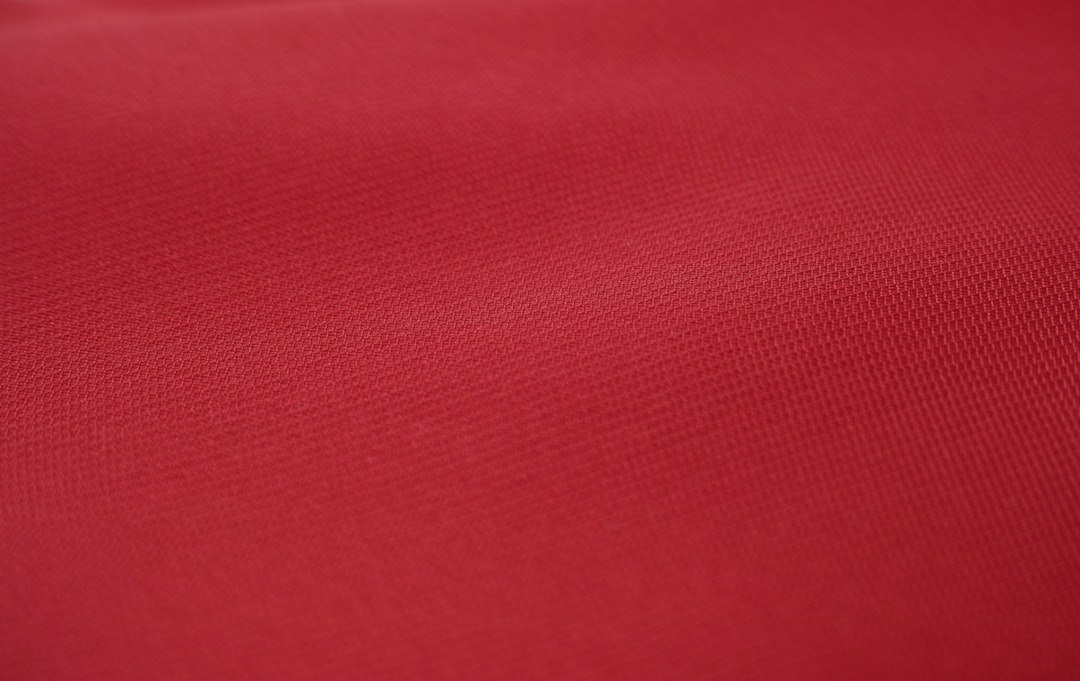
Satin is a weave pattern, not a fiber. Each weft thread passes over four or more warp threads before going under one, creating long "floats" on the surface. Those floats reflect light and give satin its shine. The base fiber, whether silk, polyester, acetate, or nylon, determines how the finished fabric feels, breathes, and wears. — satin is a weave, not a fiber. The technique floats warp threads over weft threads to create a glossy face and a matte back. You can find satin woven from silk, polyester, acetate, or nylon, and each version behaves differently in terms of drape, price, and care. Best for: Evening gowns and formal wear, Wedding dresses and bridal party attire, Lingerie, sleepwear, and robes. Find which fabrics suit your proportions with our free Body Shape Calculator.
Origin
The word "satin" comes from Quanzhou, a Chinese port city that Arab merchants called Zaitun during the Yuan dynasty (1271-1368). Traders shipped silk satin along the Silk Road, and the fabric reached Italy by the 12th century. By the 1300s it had spread across Europe, though only royalty could afford it.
Composition
A weave pattern, not a fiber. Each weft thread passes over four or more warp threads before going under one, creating long "floats" on the surface. Those floats reflect light and give satin its shine. The base fiber, whether silk, polyester, acetate, or nylon, determines how the finished fabric feels, breathes, and wears.
History of Satin
Satin weaving began in China during the Song dynasty (960-1279). The technique traveled west through Quanzhou, one of the largest ports in the medieval world. Arab traders called the city Zaitun and named the glossy fabric after it. By the 12th century, Italian weavers had learned the technique, and by the 14th century satin appeared across European courts. Only royalty and the very wealthy could afford it, since the base fiber was always silk. The invention of synthetic fibers in the 20th century changed that completely. Polyester satin, introduced in the 1950s, brought the glossy look to mass-market clothing, home decor, and bedding at a fraction of the cost.
How Satin Is Made
Fiber Selection
Production starts with choosing the base fiber: silk, polyester, acetate, or nylon. Silk produces the softest hand feel and the most natural sheen, but polyester is far cheaper and easier to maintain. The fiber determines everything else about the finished fabric.
Yarn Preparation
The chosen fibers are spun into fine, smooth yarns with minimal texture. Silk satin uses reeled mulberry silk filaments. Polyester satin uses continuous filament yarns with reduced texturing to keep the surface as flat as possible.
Satin Weaving
The defining step. Each weft thread passes over four or more warp threads before going under one (a 4/1 or higher satin weave). These long "floats" on the surface catch and reflect light, creating the characteristic shine. The back side, where the short underpasses show, stays matte.
Calendering
Heated metal rollers press the woven fabric under high pressure. This flattens the surface yarns further, intensifies the sheen, and closes up the weave. Without calendering, satin would look duller and feel rougher.
Dyeing and Printing
The smooth surface absorbs dye evenly and reflects color with more depth than textured fabrics. That is why satin looks so vivid in jewel tones and deep blacks. Printing works well too, because the flat surface acts like a canvas.
Finishing
Final treatments depend on the intended use. Options include anti-static coatings, water-spot-resistant finishes, or softening agents. Each roll is inspected for weaving defects, uneven sheen, or dye inconsistencies before shipping.
Key Characteristics
- Smooth, glossy face with a matte back
- Light-reflecting sheen from the float weave structure
- Fluid drape that follows the body
- Slippery surface (helpful for linings, tricky for sewing)
- Cool touch against skin, especially in silk versions
- Shows water spots, fingerprints, and pin marks easily
- Snags more readily than plain-weave fabrics
Types of Satin
Each type has unique properties that affect how it drapes, feels, and performs in different garments.
Duchesse Satin
A heavy, stiff satin that weighs 180-280 GSM. It holds its shape without support fabric, which is why bridal designers reach for it. The surface has a restrained glow rather than a mirror-like shine. Expect to pay $40-100+ per yard for silk versions.
Charmeuse Satin
Lightweight (60-100 GSM) with a fluid drape that moves like liquid. The glossy face and matte back make it reversible in some designs. Common in slip dresses, lingerie, and camisoles. Silk charmeuse costs $25-60 per yard; polyester versions start around $5.
Crepe-Back Satin
One side is glossy satin, the other side is textured crepe. You can use either side as the "right" side, which gives you two looks from one fabric. The crepe face works well for daytime pieces where you want less shine.
Polyester Satin
The budget-friendly option at $3-15 per yard. Easy to care for (machine washable) and wrinkle-resistant. The trade-off: it does not breathe as well as silk, and the sheen tends to look more uniform and synthetic.
Stretch Satin
Satin blended with 3-5% spandex or elastane for stretch. Moves with the body, making it popular for fitted evening dresses, dance costumes, and garments that need flexibility without sacrificing shine.
What Does Satin Cost?
Polyester satin fabric runs $3-15 per yard, making it the most accessible option. Acetate satin sits in the $8-20 range and feels closer to silk. Silk charmeuse typically costs $25-60 per yard, while silk duchesse satin, the heavy variety used in bridal gowns, ranges from $40-100+ per yard depending on weight and origin. Ready-made garments follow a similar scale: polyester satin blouses start around $20-40, while silk satin dresses range from $80-300+. Satin pillowcases in polyester cost $10-20 for a pair; silk versions run $30-80 each.
How to Check Satin Quality Before Buying
Run your hand across the surface. High-quality satin feels cool and smooth, not plasticky or rough. Hold it up to light: good satin has a consistent, even sheen without thin spots or streaks. Check the selvage edge for tight, uniform weaving. If the fabric snags when you lightly scratch it with a fingernail, the thread count is too low. For silk satin specifically, try a burn test on a small swatch: real silk smells like burned hair, turns to ash, and self-extinguishes. Polyester melts into a hard bead. The fabric weight matters too: charmeuse runs 60-100 GSM (grams per square meter) for flowing garments, while duchesse ranges from 180-280 GSM for structured pieces.
How to Wash and Care for Satin
Always check the care label first. Fiber content changes everything about how you wash satin.
Silk satin: hand wash in cold water (below 30 C / 86 F) with a pH-neutral detergent, or dry clean. Never wring it.
Polyester satin: machine washable on a gentle cycle in cold water. Use a mesh laundry bag to prevent snagging.
Press water out with a clean towel instead of wringing. Twisting stretches the weave.
Iron on the lowest heat setting, inside out. Place a cotton pressing cloth between the iron and the fabric.
Dry flat or hang on padded hangers. Wire hangers can leave marks in satin.
Store in breathable cotton garment bags. Avoid plastic, which traps moisture and can yellow silk satin over time.
Blot water spots immediately with a dry cloth. Satin shows watermarks because the displaced finish dries unevenly.
When to Use Satin
Best For
- Evening gowns and formal wear
- Wedding dresses and bridal party attire
- Lingerie, sleepwear, and robes
- Blouses, camisoles, and layering pieces
- Pillowcases and sleep accessories (reduces hair friction)
- Scarves, ties, and pocket squares
- Event decor and table runners
Avoid For
- Daily casual wear (shows wear quickly)
- Active situations or sportswear
- Hot, humid climates (polyester satin traps heat)
- Travel wardrobes (wrinkles and shows marks in luggage)
- Garments that need frequent machine washing
Satin for Your Body Shape
How you wear satin matters as much as what you wear. Here are tailored tips for each body shape.
Hourglass Shape
A charmeuse slip dress or a satin wrap top follows your natural proportions without adding bulk. The fluid drape of lightweight satin moves with your curves rather than sitting stiffly against them.
Pear Shape
Wear satin on top, matte fabrics on the bottom. A satin camisole or draped blouse draws attention to your upper body, while cotton or wool trousers balance the proportions below.
Apple Shape
Crepe-back satin gives you structure and sheen without clinging. Look for empire-waist satin dresses that define under the bust and flow freely over the midsection.
Rectangle Shape
Heavier duchesse satin in a structured dress or skirt creates the appearance of shape and definition. A satin wrap top adds dimension at the waist. Volume in a satin skirt builds curves.
Inverted Triangle Shape
Pair a soft charmeuse top with a full satin skirt to add volume at the hips and balance broader shoulders. Avoid stiff or structured satin on the upper body.
Sustainability
Silk satin uses a natural fiber, but silk production requires large amounts of water and mulberry trees. Polyester satin is petroleum-based and does not biodegrade. Recycled polyester satin (rPET), made from post-consumer plastic bottles, cuts virgin polyester demand but still sheds microplastics in the wash. For a lower-impact choice, look for OEKO-TEX Standard 100 certified satin (tested for harmful substances) or GOTS-certified silk satin (organic farming and fair labor standards). Peace silk, also called Ahimsa silk, allows the silkworm to emerge before harvesting the cocoon.
Certification Standards
These third-party certifications help you verify responsible sourcing and manufacturing:
OEKO-TEX Standard 100
Tests the finished fabric for over 100 harmful substances including lead, formaldehyde, and pesticides. Applies to all fiber types. This tells you the satin is safe to wear against skin, but it does not address how the fiber was sourced or manufactured.
GOTS (Global Organic Textile Standard)
Covers the entire supply chain from organic fiber farming through manufacturing. Only applies to natural fibers like silk. GOTS-certified silk satin means the silk came from organic mulberry farms and was processed without toxic chemicals, under fair labor conditions.
GRS (Global Recycled Standard)
Verifies the recycled content in recycled polyester satin (rPET). Tracks the chain of custody from recycled input to finished product and sets requirements for social and environmental practices in processing.
Frequently Asked Questions
What is the difference between satin and silk?
Silk is a natural fiber produced by silkworms. Satin is a weave technique where warp threads float over multiple weft threads. You can weave satin from silk, but also from polyester, acetate, or nylon. "Silk satin" is both: a silk fiber woven in a satin pattern. "Polyester satin" uses polyester fiber with the same weave.
What is the difference between satin and sateen?
Both use the same weave structure, but sateen uses short-staple fibers (usually cotton), while satin uses long filament fibers (silk, polyester, nylon). Sateen has a softer, subtler sheen and is more common in bedsheets. Satin has a higher gloss and is more common in clothing and formal wear.
How do I keep satin from sliding around?
For wearing: use double-sided fashion tape at skin contact points like necklines and straps. For sewing: place tissue paper under the fabric when cutting, use sharp microtex needles (size 60/8 or 70/10), and pin only within seam allowances to avoid visible holes on the face of the fabric.
Are satin pillowcases worth buying?
Satin pillowcases reduce friction on hair and skin compared to cotton. Less friction means fewer tangles, less frizz, and potentially fewer sleep creases. Silk satin pillowcases ($30-80 each) also wick moisture and feel cooler, which suits hot sleepers. Polyester satin pillowcases ($10-20 per pair) provide the friction reduction at a lower cost, though they trap more heat.
Can I machine wash satin?
Polyester satin: yes, gentle cycle, cold water, inside a mesh laundry bag. Silk satin: hand wash only in cold water (below 30 C) with pH-neutral detergent, or dry clean. Never wring any satin. Press water out gently with a towel and dry flat or on padded hangers. Iron inside out on the lowest setting with a pressing cloth.
Does satin suit every body shape?
Yes, when you pick the right type. Heavier duchesse satin (180-280 GSM) provides structure for tailored pieces. Lighter charmeuse (60-100 GSM) drapes along curves without adding stiffness. Crepe-back satin offers a subtler sheen on the matte side, which works well across all proportions. The key is matching the satin weight to the garment style.
How much does satin fabric cost?
Polyester satin runs $3-15 per yard. Acetate satin costs $8-20 per yard. Silk charmeuse ranges from $25-60 per yard. Silk duchesse satin, the heaviest variety, costs $40-100+ per yard. Ready-made satin garments follow a similar range: a polyester satin blouse starts around $20, while a silk satin dress can run $80-300+.
How can I tell if satin is real silk or polyester?
Three tests work well. Touch: silk feels cool and adapts to your hand temperature; polyester stays the same temperature. Look: silk has a more irregular, pearl-like sheen; polyester looks uniformly glossy. Burn test (on a small swatch): silk smells like burned hair and turns to fine ash. Polyester melts into a hard plastic bead and smells chemical.
Satin vs Silk
These two fabrics are often compared. Here's how they differ in key properties:
| Property | Satin | Silk |
|---|---|---|
| Breathability | Depends on the base fiber. Polyester satin traps heat; silk satin breathes well. | Naturally breathable regardless of weave structure. |
| Durability | Polyester satin resists abrasion well. Silk satin snags more easily. | Strong for its weight but can snag and degrade in direct sunlight. |
| Care | Polyester satin is machine washable. Silk satin needs hand washing or dry cleaning. | Hand wash or dry clean for most types. More demanding overall. |
| Price Range | $3-100+ per yard (polyester to silk duchesse) | $25-100+ per yard, consistently premium pricing. |
| Best Season | Year-round, especially fall and winter formal events. | Year-round. Silk naturally adapts to body temperature. |
| Best For | Evening gowns, bridal wear, lingerie, pillowcases, accessories. | Blouses, scarves, sleepwear, everyday pieces with a refined feel. |
How Satin Compares
Wondering whether satin is right for you? See how it stacks up against similar fabrics.
Satin vs Cotton
- Price: Mid-Range
- Seasons: Spring, Summer, Fall, Winter
- Smooth, glossy face with a matte back
- Price: Budget-Friendly
- Seasons: Spring, Summer, Fall
- Breathable: hollow fiber structure lets air circulate against your skin
Satin vs Linen
- Price: Mid-Range
- Seasons: Spring, Summer, Fall, Winter
- Smooth, glossy face with a matte back
- Price: Mid-Range
- Seasons: Spring, Summer
- Extremely breathable: linen's hollow fiber structure allows more air flow than cotton, keeping you noticeably cooler in heat
Satin vs Silk
- Price: Mid-Range
- Seasons: Spring, Summer, Fall, Winter
- Smooth, glossy face with a matte back
- Price: Premium
- Seasons: Spring, Summer, Fall, Winter
- Lustrous, smooth appearance with a natural sheen that catches light
Get Fabric Care Tips
Subscribe for fabric care guides and wardrobe tips
Free weekly updates. Unsubscribe anytime.