Types of Belly Shapes: How Your Tummy Affects Your Style
Your belly shape tells you exactly what to look for when shopping. Whether you deal with bloating after meals, stress-related weight around your waist, or changes from pregnancy, there is a style approach that works for you.
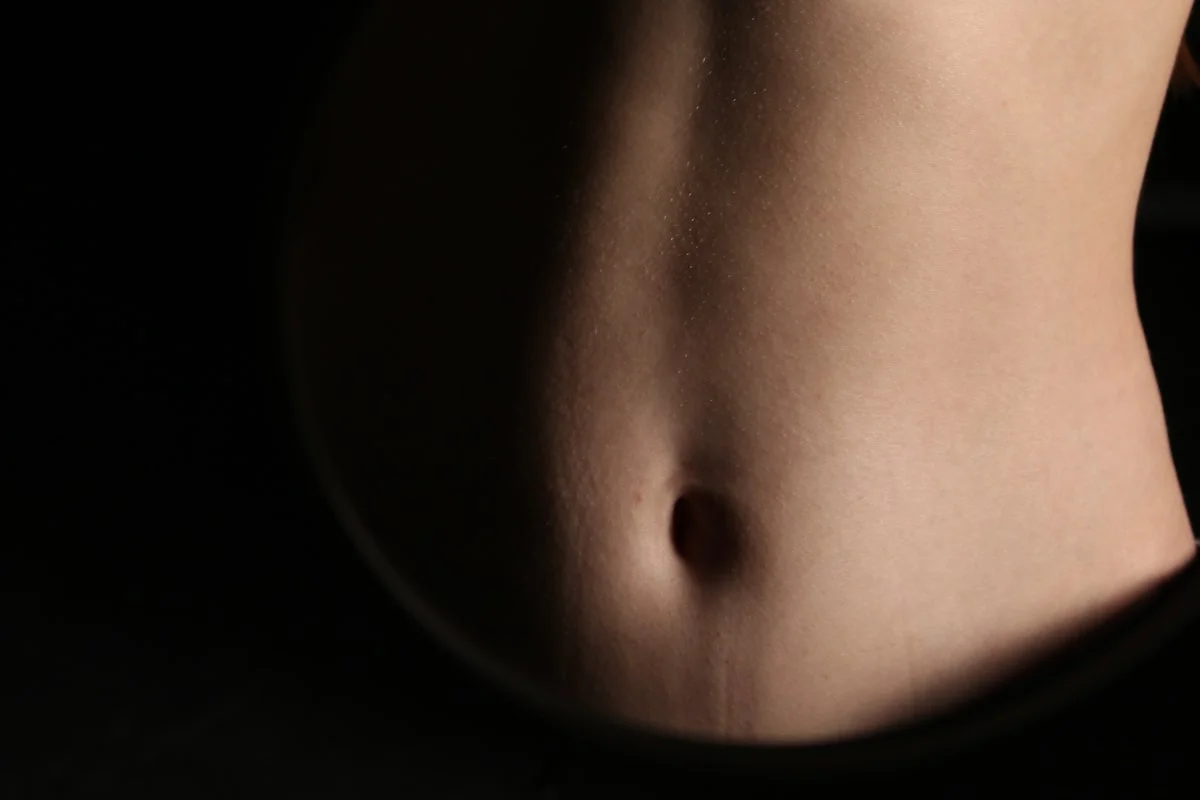
While body shape categories like apple and pear focus on your overall silhouette, your belly shape is more specific. It is about where you carry weight in your midsection and what makes your tummy protrude. This matters because different belly types respond to different styling tricks.
The truth is, almost every woman has days when her belly feels different. Morning could be flat, evening could be distended. The belly you had at 25 might not be the belly you have at 35. And that is completely normal. Your body changes, and your style should adapt to those changes.
Rather than focusing on making your body disappear, think about dressing in ways that celebrate it. The right clothes do not just cover your belly. They make you feel confident and put-together no matter what your midsection looks like on any given day.
Core Styling Principles for Any Belly Type
Choose fabrics that skim your shape rather than cling to every curve
Create vertical lines that naturally elongate your silhouette
Draw attention upward toward your best features (face, neckline, legs)
Ensure proper fit: not too tight, not sloppy loose
Prioritize comfort because confidence comes from feeling good
How to Identify Your Belly Type
Stand in front of a mirror in form-fitting clothing or just your undergarments. Observe where your belly protrudes most and how it feels.
The Mirror Test
- •Look from the side: where does your belly project most?
- •Front view: is the fullness above, below, or around your navel?
- •Press gently: does it feel soft and squishy or firm and hard?
- •Notice if fat concentrates on the sides of your waist
The Time Test
- •Morning belly vs evening belly: how much does it change?
- •After meals: does bloating occur and how long does it last?
- •During stress: does your upper belly feel more prominent?
- •After pregnancy: has your navel area changed shape?
The 6 Main Belly Types
Find your belly type below and get targeted styling advice that actually works for your specific midsection shape.
Bloated Belly
A temporarily distended belly that fluctuates throughout the day. Often flat in the morning and visibly swollen by afternoon or evening. Caused by gas, water retention, food sensitivities, or digestive issues.
How to Identify:
Waist circumference increases 2-4 inches from morning to evening
Common Causes
- Food sensitivities (dairy, gluten, FODMAPs)
- High sodium intake causing water retention
- Carbonated beverages
- Eating too quickly or swallowing air
- + 2 more
Best Styling Tips
- Choose stretchy, forgiving waistbands that do not cut in
- A-line dresses that flow from the bust without fitting the belly
- Empire waist styles where the seam sits below the bust
Works Well
Soft, drapey fabrics, Wrap styles with adjustable ties, Layered looks
Avoid
Fitted waistbands, Thin clingy materials, High-waisted tight pants
Stress Belly
Fat accumulation in the upper belly and around the waist, creating a rounded midsection. Often linked to elevated cortisol levels from chronic stress. The belly feels soft rather than firm.
How to Identify:
Waist-to-hip ratio increases with stress belly buildup
Common Causes
- Chronic stress and elevated cortisol
- Poor sleep quality and insufficient rest
- Excess caffeine consumption
- Sedentary lifestyle with minimal movement
- + 2 more
Best Styling Tips
- Structured blazers that skim the waist without clinging
- V-neck tops to create vertical lines and elongate the torso
- Dark colors on the midsection for a streamlining effect
Works Well
V-necklines, Structured outer layers, Dark solid colors
Avoid
Horizontal stripes, Crop tops, Form-fitting sweaters
Hormonal Belly
A lower belly pooch that sits below the navel, often appearing firm or protruding. Common during menopause, perimenopause, PCOS, thyroid issues, or estrogen dominance. Fat storage pattern influenced by hormonal shifts.
How to Identify:
Lower abdomen protrudes beyond upper abdomen when standing
Common Causes
- Menopause and perimenopause hormonal changes
- Polycystic ovary syndrome (PCOS)
- Thyroid dysfunction (hypothyroidism)
- Estrogen dominance or imbalance
- + 2 more
Best Styling Tips
- High-waisted bottoms that sit above the pooch
- Tummy panel underwear for smoothing under fitted clothes
- Peplum tops that flare at the hip to balance the lower belly
Works Well
High-waisted styles, Peplum tops, Tunics past hip bone
Avoid
Low-rise bottoms, Cropped tops, Bodycon dresses
Mommy Belly
Post-pregnancy belly changes including loose skin, diastasis recti (abdominal separation), and weakened core muscles. The belly may have a soft, squishy texture and appear rounder even months or years after pregnancy.
How to Identify:
Abdominal separation can be 2-4 fingers width at the navel
Common Causes
- Pregnancy and abdominal stretching
- Cesarean section scarring and muscle tightness
- Diastasis recti (abdominal muscle separation)
- Stretched skin that lost elasticity
- + 2 more
Best Styling Tips
- Supportive high-waisted underwear with light compression
- Wrap dresses with adjustable ties for flexible fit
- Empire waist styles that flow over the midsection
Works Well
Supportive undergarments, Wrap styles, Soft gathered fabrics
Avoid
Cinch-waist belts, Body-hugging materials, Crunchy waistband details
Love Handles
Fat deposits that accumulate on the sides of the waist, extending from the back around to the front. Creates a muffin top effect when wearing fitted pants or jeans. Often genetic and resistant to diet and exercise.
How to Identify:
Waist measurement larger than hip measurement when measured at the widest point
Common Causes
- Genetic fat distribution patterns
- Overall body weight increase
- Sedentary lifestyle with prolonged sitting
- High sugar and refined carbohydrate diet
- + 2 more
Best Styling Tips
- Avoid low-rise pants that create bulges at the waistband
- High-waisted bottoms that sit above the love handles
- Longer tops that cover the waist and hip area
Works Well
High-waisted everything, Flowy tops, Empire waist dresses
Avoid
Low-rise pants, Belted looks, Crop tops
Alcohol Belly
A round, firm belly often caused by excess alcohol consumption. Visceral fat accumulates around internal organs, creating a hard, protruding midsection. Associated with beer belly but can result from any alcohol overconsumption.
How to Identify:
Firm, protruding belly that feels hard to the touch
Common Causes
- Excess alcohol calories (7 calories per gram)
- Beer specifically contributing to abdominal fat
- Liver stress and fatty liver disease
- Poor diet while drinking (fried foods, snacks)
- + 2 more
Best Styling Tips
- Structured jackets and blazers that create a tailored silhouette
- Vertical stripe patterns that elongate the torso
- Single-breasted jacket styles rather than double-breasted
Works Well
Structured outerwear, Vertical patterns, Dark solid colors
Avoid
Fitted T-shirts, Thin knit materials, Horizontal stripes
Universal Styling Strategies
These principles work for every belly type. Master these basics before diving into specific tips.
Fabric Selection
Medium-weight fabrics that hold their shape work best. Avoid thin, clingy materials that show every bump. Also skip thick, stiff fabrics that add bulk. Look for fabrics with some structure and recovery.
Pattern Power
Vertical stripes elongate and slim. Small, all-over prints create visual texture. Place bold prints on areas you want to highlight (bust, shoulders, legs). Avoid large horizontal patterns across the belly area.
Waistline Strategy
Empire waists (seam just below the bust) bypass the belly entirely. Natural waist highlighting works if you have waist definition. High-waisted bottoms smooth the lower belly. Choose waistlines that sit above or below your midsection.
Color Blocking
Darker colors on your belly area create a streamlining effect. Brighter colors on areas you want to emphasize: shoulders, bust, or legs. Use contrast strategically to draw attention away from your midsection.
Layering Magic
Open cardigans and structured blazers create vertical lines. Flowy kimonos draw attention away from the midsection. Layering adds depth and creates a more streamlined silhouette without adding warmth.
Undergarment Foundation
Well-fitted bras create better foundation for your whole silhouette. Consider high-waisted briefs or light shapewear for fitted outfits. The right undergarments smooth lines without discomfort.
Best Clothing Pieces by Category
Tops
- 1
Wrap tops
Adjustable fit with diagonal lines that complement your shape
- 2
Peplum styles
Flare at waist creates balance for lower belly
- 3
Empire waist
Cinches under bust, flows over belly completely
- 4
Tunics
Longer length covers areas you want to minimize
- 5
Ruched tops
Texture adds visual interest and softens bumps
Bottoms
- 1
High-waisted pants
Smooth and contain the belly area
- 2
Tummy control panels
Built-in shaping for fitted styles
- 3
Wide waistbands
Distribute pressure evenly without digging
- 4
A-line skirts
Skim over the midsection without clinging
- 5
Bootcut or flare jeans
Balance wider hips and create proportion
Dresses
- 1
Wrap dresses
Universally complementary with adjustable fit
- 2
Fit and flare
Fitted bodice, flowing skirt creates balance
- 3
Empire waist
Highest point creates lengthening effect
- 4
Shift dresses
Straight cut skims everything without clinging
- 5
Maxi dresses
Elongating and comfortable for all body types
Belly Shape vs Body Shape
You might be wondering: is my belly shape different from my body shape? The answer is yes, they are related but distinct.
Body Shape
Describes your overall proportions — the relationship between your shoulders, bust, waist, and hips. Categories include apple, pear, hourglass, rectangle, and inverted triangle. Your body shape helps determine which styles complement your overall silhouette.
Belly Shape
Focuses specifically on your midsection — where you carry weight in your belly area, how your belly projects, and what causes fullness. You can have an hourglass body shape but still deal with a hormonal belly pooch below your navel.
Frequently Asked Questions
What are the main types of belly shapes women have?
Women typically have six distinct belly shapes: bloated belly (temporary swelling), stress belly (upper belly fat from cortisol), hormonal belly (lower pooch from hormonal changes), mommy belly (post-pregnancy changes), love handles (fat on the sides), and alcohol belly (visceral fat). Each has different causes and styling approaches.
How do I determine my belly shape at home?
Stand in front of a mirror in form-fitting clothing. Observe where your belly protrudes most: above the navel suggests stress belly, below the navel indicates hormonal or mommy belly, evenly distributed points to bloating, and fat concentrated on sides means love handles. Take photos from different angles for clarity.
Can you actually change your belly shape through lifestyle?
While you cannot spot-reduce fat, lifestyle changes affect where your body stores fat. Reducing stress lowers cortisol-related belly fat. Hormonal balance through diet and exercise helps with hormonal belly. Core strengthening improves muscle tone after pregnancy. Genetics largely determine your baseline belly shape.
What clothing styles work best for belly coverage?
Empire waist tops and dresses bypass the belly entirely. A-line silhouettes flow from the bust downward. Ruched fabrics create visual texture that softens the look of lumps. High-waisted bottoms with stretch smooth the midsection. Wrap styles adjust to your shape and drape elegantly. Dark colors on the belly area create a streamlining effect.
Should I wear shapewear if I have belly concerns?
Shapewear is personal choice, not a requirement. Modern shapewear comes in light, medium, and firm compression. Choose comfortable options that do not restrict breathing. Many women prefer structured clothing that naturally complements their shape without relying on undergarments.
What necklines draw attention away from the belly?
V-necks and scoop necklines create vertical lines that elongate the torso and draw attention upward. Embellished necklines like sequins or ruffles create focal points away from the midsection. Statement necklaces and earrings further redirect attention. Avoid high necklines that visually shorten the torso.
Is it okay to wear fitted clothes with a belly?
Absolutely. The key is choosing the right fabric and fit. Clothes that skim your curves without clinging look most complementary. Structured fabrics hold their shape better than thin, clingy materials. Ensure garments are not so tight they create bulges at seams or waistband lines.
How does belly shape differ from body shape?
Body shape (apple, pear, hourglass, rectangle, inverted triangle) describes your overall proportions — shoulders, bust, waist, and hips. Belly shape focuses specifically on your midsection — where you carry weight, how your belly projects, and what causes fullness. You can have an hourglass body shape but still deal with a hormonal belly pooch.
Why does my belly look different at night versus morning?
Several factors cause belly size fluctuation throughout the day. Bloating from meals, sodium intake, or carbonated drinks makes the belly protrude by evening. Water retention from food sensitivities affects afternoon appearance. Morning typically shows the flattest belly after fasting overnight. This is normal and varies by belly type.
What fabrics should I avoid with belly concerns?
Avoid thin, clingy materials like jersey knits without structure. These show every bump and line. Also skip stiff, bulky fabrics that add visual volume — thick wool, heavy denim, or quilted materials can make the midsection appear larger. Medium-weight fabrics with some structure work best.
Styling recommendations based on body proportion principles. Every body is unique — use these as starting points and adjust based on what makes you feel confident.Learn about our methodology
Get Weekly Style Tips
Join thousands of women discovering their perfect style. Get exclusive fashion tips, trend alerts, and style guides delivered to your inbox.
Free weekly updates. Unsubscribe anytime.