Body Figure Types: All 7 Figure Types Explained
Most guides stop at five body types. This one covers seven, including the less-discussed spoon and diamond figures, plus a practical guide to measuring your own proportions.
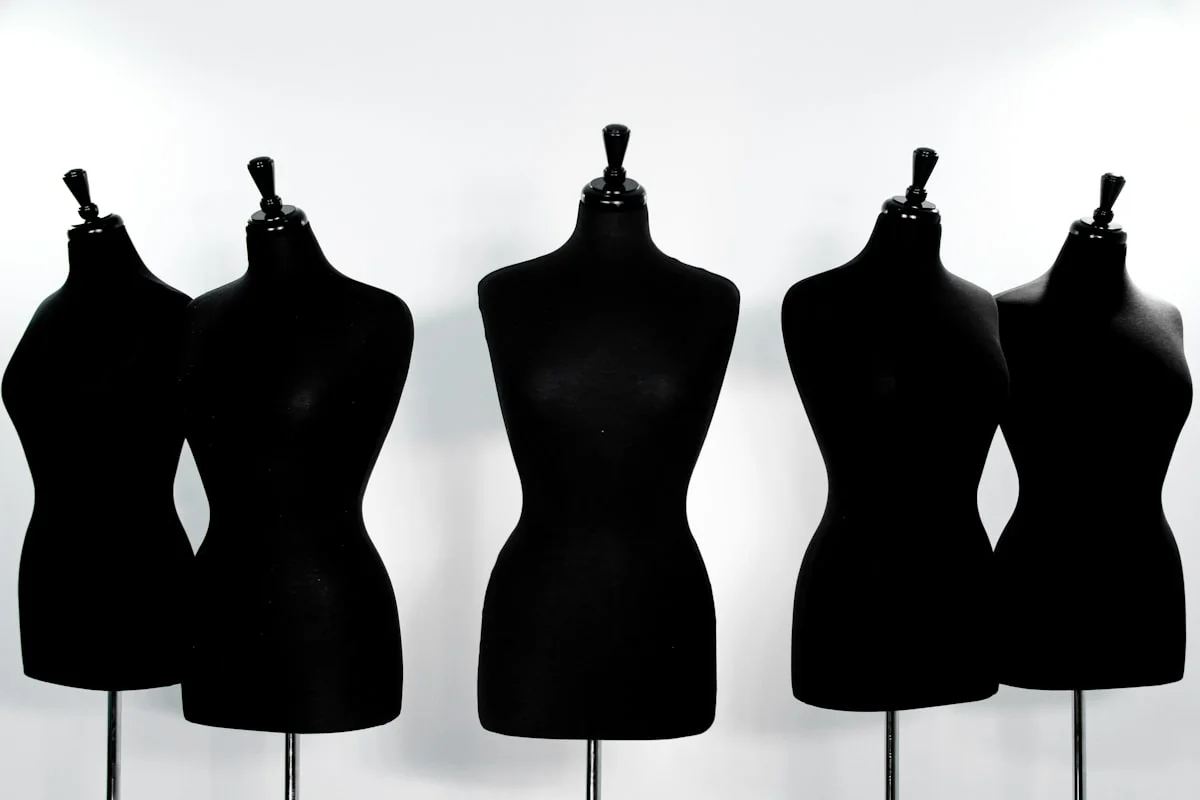
What are body figure types?
A body figure type is a way of classifying the overall proportions of your body when viewed from the front. It looks at the relative widths of your shoulders, bust, waist, and hips, along with where your body naturally stores weight.
You have probably heard the terms "body figure" and "body shape" used interchangeably. They overlap, but they are not identical. Figure accounts for bone structure, posture, and frame size. Shape zeroes in on measurement ratios and fat distribution. Two women classified as the same "shape" can look quite different in the same outfit because their frame sizes or posture differ.
The practical upside of knowing your figure type is simple: you can make faster wardrobe decisions. Instead of trying on everything, you start with cuts and silhouettes that already work for your proportions. Our free Body Shape Calculator can identify your type from three measurements in about 30 seconds.
The 5 main body figure types
A 2004 study at North Carolina State University measured over 6,000 women and found that virtually all body proportions fit into five categories. These are the percentages from that research:
Hourglass
~8% of womenProportions: Bust and hips roughly equal, waist clearly narrower
The bust and hip measurements land within a few inches of each other, and the waist is noticeably smaller. Clothing that follows the natural curve of the body tends to complement this figure best.
Styling note: Wrap dresses, fitted blazers, and belted coats follow the natural waistline. High-waisted pants maintain the balanced look.
Think: Scarlett Johansson, Jennifer Lopez, Marilyn Monroe
Full hourglass style guide →Pear (Triangle)
~20% of womenProportions: Hips wider than bust, defined waist
Hips are wider than the shoulders and bust. Weight gathers in the lower body, thighs, and hips. The waist is usually well defined, which gives this figure a beautiful curve from waist to hip.
Styling note: Boat-neck tops and structured shoulders add balance to the upper body. A-line skirts skim over the hips without clinging.
Think: Beyonce, Shakira, Kate Winslet
Full pear style guide →Apple (Round)
~14% of womenProportions: Bust equal to or larger than hips, less waist definition
Weight sits in the midsection and upper body. The bust is often fuller, and the legs tend to be slimmer. The waist-to-hip difference is smaller than other figure types.
Styling note: Empire waist dresses sit just below the bust and flow outward, creating a long line. V-necklines draw the eye lengthwise.
Think: Adele, Rebel Wilson, Oprah Winfrey
Full apple style guide →Rectangle (Straight)
~46% of womenProportions: Bust, waist, and hips roughly the same width
Shoulders, waist, and hips measure close to the same. There is less waist definition compared to hourglass or pear. Athletic builds often land here. This is the most common figure type by far.
Styling note: Peplum tops (fitted tops with a short ruffle at the waist) create the appearance of curves. Layered outfits add visual interest and dimension.
Think: Kate Moss, Natalie Portman, Nicole Kidman
Full rectangle style guide →Inverted Triangle
~14% of womenProportions: Shoulders and bust wider than hips
Broader shoulders and bust with narrower hips. Common in women with athletic upper bodies, broader shoulder bones, or both. The waist can be defined or straight depending on individual build.
Styling note: Full skirts and wide-leg pants add volume below the waist. Scoop or V-necklines soften the shoulder line.
Think: Angelina Jolie, Serena Williams, Naomi Campbell
Full inverted style guide →Beyond the classic five: spoon and diamond figures
The five types above cover most women, but not all. If none of the standard categories felt right when you measured yourself, you may have a spoon or diamond figure. These two are less commonly discussed in fashion media, partly because they were not part of the original NC State classification. Still, they describe real body proportions that plenty of women recognize immediately.
Spoon figure
Proportions: Hips noticeably wider than bust with a defined "shelf"
Similar to pear, but the hip-to-waist transition is more abrupt, creating a visible ledge at the hip bones. The upper body is smaller, and weight concentrates in the lower body and upper thighs. If pear shapes have a gradual curve, spoon shapes have a sharper one.
Styling note: Full skirts that start at the natural waist balance the hip shelf. Structured jackets with shoulder detail bring the upper body into proportion. Avoid stiff fabrics around the hips that emphasize the ledge.
Think: Jennifer Love Hewitt, America Ferrera
Diamond figure
Proportions: Midsection wider than both shoulders and hips
Narrower shoulders and hips with a broader midsection. This differs from apple because both the upper and lower body are relatively narrow. The midsection is the widest point, giving a diamond-like outline from the front.
Styling note: Structured tops with open necklines draw attention upward. Straight-leg pants create a streamlined lower half. Avoid clingy fabrics at the waist; go for materials that drape and flow.
Think: Queen Latifah, Angelina Jolie
Find your figure type
Not sure where you fall? Our free calculator takes your bust, waist, and hip measurements and tells you your figure type in about 30 seconds. No sign-up required.
Figure vs shape: what is the actual difference?
These two terms get used as synonyms, and for day-to-day styling that is fine. But if you want to understand why two "pear-shaped" women can look so different, the distinction matters.
Body figure includes
- Skeletal structure (bone width, shoulder span)
- Posture and how you carry yourself
- Frame size (small, medium, large)
- Both permanent and changeable traits
Body shape focuses on
- Fat distribution patterns
- Measurement ratios (bust, waist, hips)
- Changes with weight gain or loss
- The silhouette used in fashion classification
In practice, the styling advice is the same for both: identify your proportions and pick clothing that creates the silhouette you want. The figure vs shape distinction mostly helps explain why identical measurements on two women can look different on a hanger.
How to measure your body figure type at home
You need a flexible measuring tape, a mirror, and clothing that sits close to the body. Take each measurement twice and use the average.
- Bust: Wrap the tape around the fullest point of your chest. Keep it level across the back.
- Waist: Find the narrowest point of your torso. For most people, that is a few inches above the belly button.
- Hips: Measure around the widest point of your hips and buttocks. Stand with feet together.
- Shoulders (optional): Have someone else measure from the edge of one shoulder bone to the other across your back.
Quick reference: reading your measurements
How frame size changes everything
Two women can share the same figure type and still look different in the same outfit. The reason is usually frame size. Frame size refers to the width and density of your bones, especially at the shoulders, wrists, and hips.
- Small frame: Narrow bones and delicate wrists. A small-framed pear and a large-framed pear at similar weights look noticeably different. Clothing tends to hang looser.
- Medium frame: Average bone width. Standard clothing sizes usually fit without major alterations.
- Large frame: Wider bones and joints. May need to size up for shoulder or hip room even at a healthy weight.
A quick way to estimate your frame: wrap your thumb and middle finger around the opposite wrist. If they overlap, you probably have a small frame. If they just touch, medium. If there is a gap, large. It is not exact, but it gives you a starting point.
How your figure changes with age and life events
Your bone structure is set, but almost everything else can shift. Here is what typically happens at different stages:
- Pregnancy: Hormonal changes widen the pelvis slightly. Many women find their hip measurement increases permanently by 1 to 2 inches after pregnancy, which can move a rectangle closer to pear territory.
- Menopause: Estrogen drops shift fat storage from hips and thighs toward the midsection. A long-time pear may notice her figure moving toward apple. This is completely normal.
- Strength training: Building muscle in specific areas changes visual proportions. Adding shoulder and back muscle can shift a pear toward an hourglass silhouette without any change in body weight.
- Weight changes: Where you gain or lose weight first is mostly genetic. Some women gain evenly, others gain almost exclusively in one area. Your figure type describes the pattern, not a fixed outcome.
None of this is good or bad. It is just how bodies work. The point of knowing your figure type is to dress for the proportions you have right now, not the ones you had ten years ago.
Why understanding your figure type matters
Knowing your figure type is not about putting yourself in a box. It is a shortcut for making wardrobe decisions faster:
- Shopping efficiency: You can skip cuts that never work for your proportions and save time in fitting rooms.
- Better fit: You know which alterations to ask for before buying.
- Capsule wardrobe building: A capsule wardrobe works best when every piece suits your figure.
- Confidence: Wearing clothes that complement your proportions just feels better. That is the whole point.
Explore figure-specific guides
Once you know your figure type, dive into styling advice built around your proportions. Each guide covers tops, bottoms, dresses, and accessories.
Frequently asked questions
What are the 7 body figure types?
The seven body figure types are hourglass, pear (triangle), apple (round), rectangle (straight), inverted triangle, spoon, and diamond. Most women fit one of the first five. Spoon and diamond are less common but worth knowing if the standard five don't feel right for you.
How is body figure different from body shape?
Body figure includes bone structure, posture, and frame size on top of fat distribution. Body shape focuses mostly on measurement ratios. Two women with the same shape classification can have different figures because of frame size or posture differences.
Can your body figure type change over time?
Your bone structure stays the same, but soft tissue shifts with weight changes, exercise, pregnancy, and hormones. A rectangle can develop more of an hourglass silhouette through strength training. Menopause often shifts fat toward the midsection, moving some women closer to an apple figure.
What is a spoon body shape?
A spoon figure has hips that are noticeably wider than the bust, with a defined waist and a visible "shelf" at the hip bones. It looks similar to a pear but the hip-to-waist transition is more abrupt. The lower body carries most of the weight.
What is a diamond body shape?
A diamond figure has narrower shoulders and hips with a wider midsection. The waist is the broadest point. It differs from an apple shape because both the shoulders and hips are relatively narrow, giving a distinct diamond-like outline when viewed from the front.
What is the most common body figure type?
Rectangle is the most common at roughly 46% of women, based on a North Carolina State University study of over 6,000 women. Pear comes next at about 20%, then apple and inverted triangle at around 14% each. Hourglass is the rarest of the main five at approximately 8%.
How do I measure my body figure type at home?
Measure your bust at the fullest point, waist at the narrowest part of your torso, and hips at the widest point. Compare the three numbers: hips largest means pear, bust and hips similar with a smaller waist means hourglass, all three close together means rectangle.
Does frame size affect your figure type?
Yes. Frame size measures bone width at the wrists, shoulders, and hips. A small-framed pear looks quite different from a large-framed pear at the same weight. Frame size also affects clothing fit: larger frames may need to size up for shoulder room even at a healthy weight.
Can you be a mix of two figure types?
Many women fall between categories. You might have a pear lower body with inverted triangle shoulders, or sit somewhere between hourglass and rectangle. The seven types are guidelines for understanding proportions, not rigid boxes. Use whichever description fits closest.
How does age affect your figure type?
Hormonal changes after menopause shift fat storage toward the midsection, which can move your figure closer to an apple or diamond type. Connective tissue also loosens over time, changing how weight sits on your frame. Strength training at any age can help maintain or restore definition.
Related reading
Body shapes for women
Visual comparison guide for all five classic shapes
Dress for your body shape
Complete styling guide with outfit recommendations by shape
Size converter
Convert between US, UK, EU, and AU clothing sizes instantly
Most common body shape
Statistics on body shape distribution among women
S-Shape body type
The curvy silhouette explained with styling tips and celebrity examples