Male Body Types: The 5 Shapes & How to Dress Them
Menswear sizing assumes a shape, and when your proportions differ from that assumption, clothes stop fitting the way they should. This guide covers the 5 male body types (trapezoid, inverted triangle, triangle, oval, and rectangle) with the exact measurement ratios that separate them and styling moves for each.
Find Your Body Shape Instantly
Open our free calculator, switch the toggle to Men, and enter your shoulder, chest, waist, and hip measurements for an instant result.
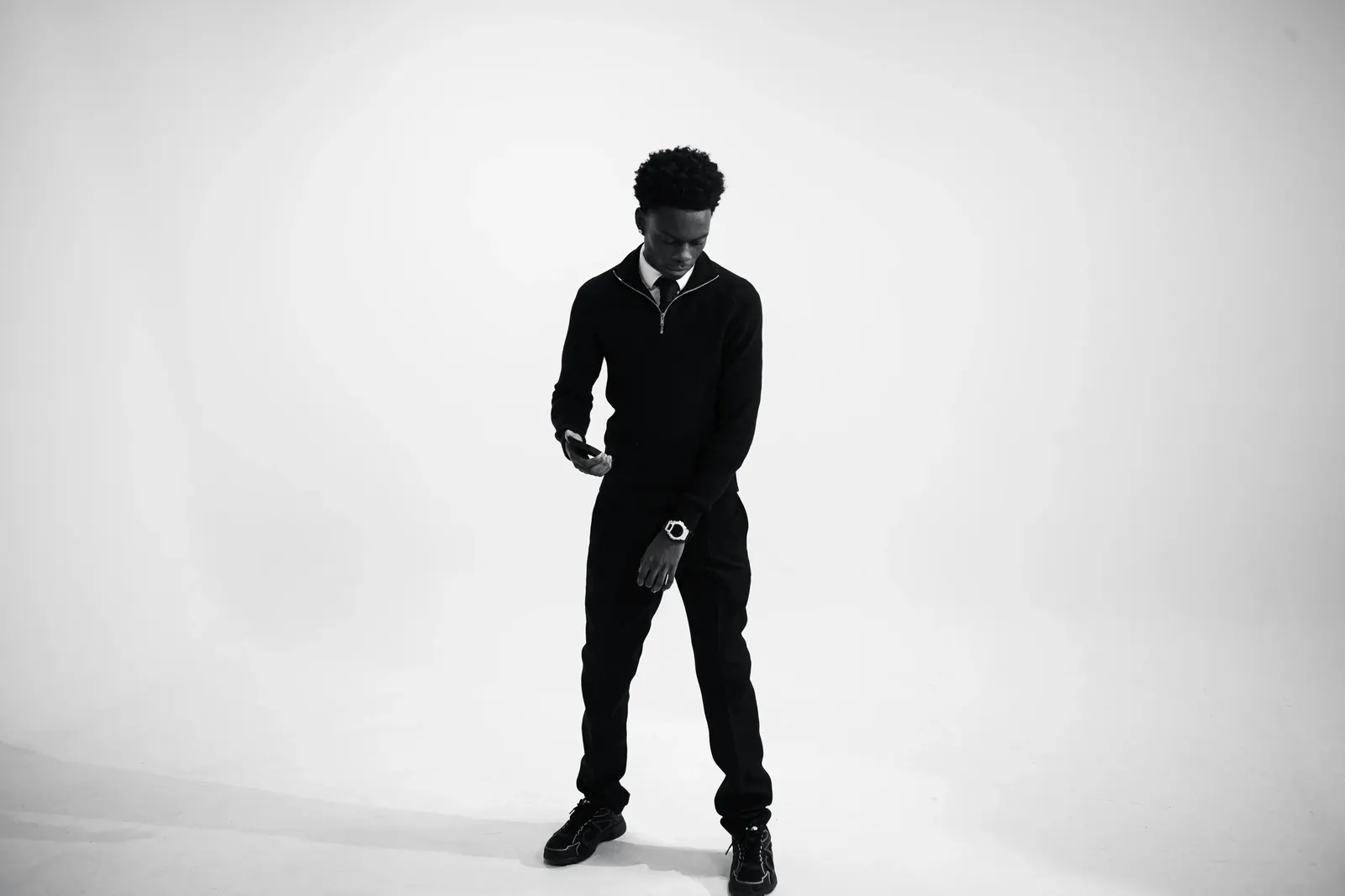
The five male body shapes describe proportion, not fitness level; every shape is a normal starting point for dressing well.
What Are Male Body Types?
Male body types are a classification system based on how your shoulders, waist, and hips compare to each other. Unlike the somatotype system (ectomorph, mesomorph, endomorph), which describes muscle and fat distribution, this silhouette-based system is about proportion: the same width, taper, and balance principles a tailor uses when fitting a jacket.
Menswear guides consistently describe the same five shapes: trapezoid, inverted triangle, triangle, oval, and rectangle. Two independent guides, Real Men Real Style and The VOU, both organize men's dressing advice around this same five-shape framework, comparing shoulder, waist, and hip circumference to determine which shape a given frame falls into.
If you are looking for the muscle-and-fat classification instead, our body type calculator for men guide covers ectomorph, mesomorph, and endomorph, a different, complementary system based on frame size and metabolism rather than proportion.
The 5 Male Body Shapes
Here is a detailed breakdown of each shape, including the exact ratio that defines it and what to wear (and avoid) for each.
1. Trapezoid Body Shape
Also known as: Athletic Build
Shoulders more than 10% wider than the waist, with hips within 6% of shoulder width.
Shoulders are clearly broader than the waist, with hips close to shoulder width. This is the classic athletic build most menswear guides are drafted around, so off-the-rack sizing tends to fit this shape well through the chest and shoulders.
Key Characteristics:
- Shoulders noticeably wider than the waist
- Hips close to shoulder width
- Defined but not extreme taper at the waist
- Most off-the-rack clothing fits without major alterations
- Balanced upper and lower body proportions
What Works:
- Buy for the shoulder first, then have shirts and jackets taken in at the waist
- Keep the jacket shoulder seam sitting exactly on your shoulder point
- Straight-leg or lightly tapered trousers worn at your natural waist
- A single continuous line from chest to hem, without extra volume
What Does Not Work:
- Oversized jackets that blur the natural shoulder line
- Trousers worn low, which break the line from chest to hem
- Boxy fits that add bulk without adding shape
2. Inverted Triangle Body Shape
Also known as: V-Taper
Shoulders more than 5% wider than the hips and more than 15% wider than the waist.
Shoulders and chest are significantly wider than the waist and hips, with a pronounced upper-body taper. This shape carries visible width up top, so the goal is balancing that width rather than adding to it.
Key Characteristics:
- Chest and shoulders significantly broader than waist and hips
- Pronounced taper from shoulder to waist
- Narrow hips relative to the upper body
- Strong upper-body presence in fitted clothing
What Works:
- Shirts cut with a fuller chest and a tapered body, or tailored to follow your taper
- Straight-leg or relaxed-taper trousers that add visual weight through the lower half
- Softer shoulder construction, such as an unstructured blazer, for a natural shoulder line
- Horizontal detail or lighter colors on the lower half to balance proportions
What Does Not Work:
- Padded or structured shoulders that add width you already have
- Skinny trousers that exaggerate the gap between chest and waist
- Short jackets that cut off before balancing the lower body
3. Triangle Body Shape
Also known as: Pear
Hips more than 5% wider than the shoulders.
Hips are wider than the shoulders and chest, with the waist as the narrowest point. The styling goal is to build visual width through the shoulders so the frame reads as balanced top to bottom.
Key Characteristics:
- Hips wider than shoulders and chest
- Waist is the narrowest point
- Weight carried through the hips and thighs
- Upper body reads narrower by comparison
What Works:
- Structured shoulders: a blazer with a defined shoulder line, a sturdy denim jacket, or a field jacket
- Detail placed up top: chest pockets, a contrast yoke, horizontal stripes, and lighter colors above the waist
- Straight-leg trousers with a mid-to-high rise for an uninterrupted line from waist to shoe
- Layering on the upper body to add visual volume
What Does Not Work:
- Skinny-fit trousers that emphasize hip width
- Unstructured or sloped-shoulder jackets that skip the balancing effect
- Tapered pants paired with a plain, narrow top
4. Oval Body Shape
Also known as: Round
Waist at least 95% of both shoulder width and hip width, the widest or near-widest point on the frame.
The waist is the widest point, close to or wider than the shoulders and hips. Clothes that skim rather than cling, and that keep a clean vertical line, work better here than anything fitted tightly through the middle.
Key Characteristics:
- Waist is the widest or near-widest point
- Shoulders and hips narrower than the midsection
- Weight concentrated through the torso
- Vertical lines read more flattering than horizontal ones
What Works:
- Single-breasted jackets with an open front quarter that curves away below the button
- Trousers worn at your natural waist so the rise stays correct and the shirt stays tucked
- Vertical detail that draws the eye lengthwise: an open overshirt, a long cardigan, or one color from shoulder to shoe
- Structured fabrics with a bit of body, rather than clingy knits
What Does Not Work:
- Tight-fitting shirts that outline the midsection
- Trousers worn below the natural waist
- Horizontal stripes or wide belts at the widest point
- Double-breasted jackets that add bulk through the front
5. Rectangle Body Shape
Also known as: Straight
Shoulders, waist, and hips fall within a similar range, with no measurement meeting the other shapes' thresholds.
Shoulders, waist, and hips fall within a similar range, with little taper between them. This is a flexible frame for styling, and the goal is usually adding definition rather than correcting anything.
Key Characteristics:
- Shoulders, waist, and hips close in width
- Little natural taper at the waist
- Straight, streamlined overall silhouette
- Works with a wide range of cuts and layers
What Works:
- Layering for dimension: a tee under an open shirt, a knit vest, or an overshirt
- Jackets with defined shoulder construction and a slight waist suppression
- Texture: oxford cloth, tweed, corduroy, and ribbed knits give the outline more presence than smooth, flat fabric
- Belts and waistbands worn with intention to introduce a break in the silhouette
What Does Not Work:
- Perfectly flat, smooth fabrics with no texture or structure
- Single-layer outfits with nothing to build shape
- Jackets with no waist suppression at all
Male Body Shape Comparison Chart
Here is every shape side by side, with the exact ratio our calculator uses to tell them apart.
| Shape | Shoulder vs Hip | Waist Definition |
|---|---|---|
| Trapezoid | Shoulders ≈ Hips (within 6%) | Shoulders 10%+ wider than waist |
| Inverted Triangle | Shoulders > Hips (by 5%+) | Shoulders 15%+ wider than waist |
| Triangle | Hips > Shoulders (by 5%+) | Waist is narrowest point |
| Oval | Shoulders ≈ Hips | Waist ≥ 95% of both shoulders and hips |
| Rectangle | Shoulders ≈ Hips | Minimal taper, no shape meets other thresholds |
How to Measure Your Body Type
Finding your body shape takes about five minutes and a measuring tape. Here is exactly how to do it.
Step-by-Step Measurement Guide
Step 1: Measure Your Shoulders
Measure from one shoulder tip to the other across your back, keeping the tape level and touching the base of your neck. This is your widest reference point for the shoulder comparison.
Step 2: Measure Your Chest
Wrap the tape around the fullest part of your chest, under your arms, keeping it parallel to the floor. Chest is collected for reference but is not part of the shape ratio itself.
Step 3: Measure Your Waist
Find your natural waistline (usually just above the belly button) and wrap the tape around it without pulling tight or sucking in.
Step 4: Measure Your Hips
Wrap the tape around the fullest part of your hips and seat, keeping it level and parallel to the floor.
Quick tip: Once you have all four numbers, compare shoulder width to hip width first. If they are close (within about 6%) and your shoulders are meaningfully wider than your waist, you are a Trapezoid. If your shoulders are much wider than both waist and hips, you are an Inverted Triangle. If your hips are wider than your shoulders, you are a Triangle. If your waist is close to or wider than both shoulders and hips, you are an Oval. Otherwise, you are a Rectangle.
Note: Measurement technique above follows standard tailoring practice described by SewGuide's body measurement guide. Shape category thresholds reflect DiscoverFashions' own classification logic, cross-checked against the five-shape framework used by Real Men Real Style and The VOU.
Skip the Math
Our body shape calculator does all four comparisons for you and gives you a shape and styling pointers in about 30 seconds.
Why Knowing Your Body Type Actually Matters
Off-the-rack menswear is drafted around one proportion pattern, roughly the Trapezoid shape. If your proportions differ from that pattern, a jacket that fits your shoulders will gap at the waist, or a shirt that fits your waist will pull across your chest. Knowing your shape tells you which measurement to buy for and which to alter.
It also narrows down shopping. Instead of trying on ten jackets to find one that sits right, you can look specifically for the shoulder construction, taper, or layering that works with your proportions and skip the rest.
None of this is about changing your proportions. It is about choosing cuts that work with the frame you have, the same way a tailor adjusts a garment to a body rather than the other way around.
Body Shape vs Somatotype: What is the Difference?
Two different systems get used for men, and it helps to know which one a guide is talking about.
The silhouette system covered on this page (trapezoid, inverted triangle, triangle, oval, rectangle) compares shoulder, waist, and hip circumference: the proportion your clothes have to fit around, regardless of your fitness level.
The somatotype system (ectomorph, mesomorph, endomorph) describes frame size, muscle mass, and how easily you gain or lose weight. A trapezoid-shaped man can be an ectomorph, a mesomorph, or an endomorph; the two systems measure different things. Our body type calculator for men guide covers the somatotype system in detail.
Explore Related Guides
Ready to go further? Check out these related tools and guides:
Frequently Asked Questions
What are the 5 male body types?
The 5 male body types used in menswear are Trapezoid (shoulders broader than the waist, hips close to shoulder width), Inverted Triangle (shoulders and chest significantly wider than waist and hips), Triangle (hips wider than shoulders), Oval (waist as the widest point), and Rectangle (shoulders, waist, and hips fall in a similar range). These categories are based on comparing shoulder, waist, and hip circumference, the same measurements used by DiscoverFashions' Body Shape Calculator.
How do I find my male body type?
Measure your shoulders (widest point, shoulder tip to shoulder tip), chest, waist (natural waistline, without pulling the tape tight), and hips (fullest part of the hips and seat). Then compare the ratios: shoulders noticeably wider than the waist with hips close to shoulder width points to Trapezoid; shoulders much wider than both waist and hips points to Inverted Triangle; hips wider than shoulders points to Triangle; a waist close to or wider than both shoulders and hips points to Oval; and shoulders, waist, and hips within a similar range points to Rectangle. Our Body Shape Calculator runs these comparisons automatically once you switch to the Men toggle.
What is the most common male body shape?
There is no single published percentage breakdown for the five menswear shapes the way there is for the women's SizeUSA study, since no equivalent large-scale population study of men's silhouette shapes has been published. Menswear guides generally treat Trapezoid as the shape most off-the-rack clothing is drafted for, since it is the proportion pattern most commercial sizing assumes.
What is a trapezoid body shape for a man?
A trapezoid body shape means your shoulders are clearly broader than your waist, while your hips stay close to your shoulder width. It is often called the classic athletic build, and it is the shape most off-the-rack menswear is cut for. The main styling move is buying for the shoulder and having the waist of shirts and jackets taken in.
How is an inverted triangle different from a trapezoid?
Both shapes have shoulders wider than the waist, but the degree and the hip comparison differ. A trapezoid has a moderate taper and hips that stay close to shoulder width. An inverted triangle has a more pronounced taper (shoulders more than 15% wider than the waist) and hips that are also noticeably narrower than the shoulders. In practice, an inverted triangle carries more visible width through the chest and shoulders relative to the rest of the frame.
Can a man have an hourglass or pear body shape?
Menswear guides typically use trapezoid, inverted triangle, triangle, oval, and rectangle rather than hourglass or pear, since men's frames rarely show the same degree of hip-to-bust curve that defines those categories in women's classification. A man with hips wider than his shoulders falls into the triangle category, which is the closest equivalent to a pear shape.
Conclusion
The 5 male body types (trapezoid, inverted triangle, triangle, oval, and rectangle) describe proportion, not fitness or attractiveness. Knowing which one describes your shoulder, waist, and hip ratio means you spend less time trying on clothes that were never going to fit your frame and more time wearing pieces that already work with it.
Your shape is a starting point for smarter tailoring choices, not something to change or fix.