Know Your Proportions: How to Measure, Identify, and Dress With Confidence
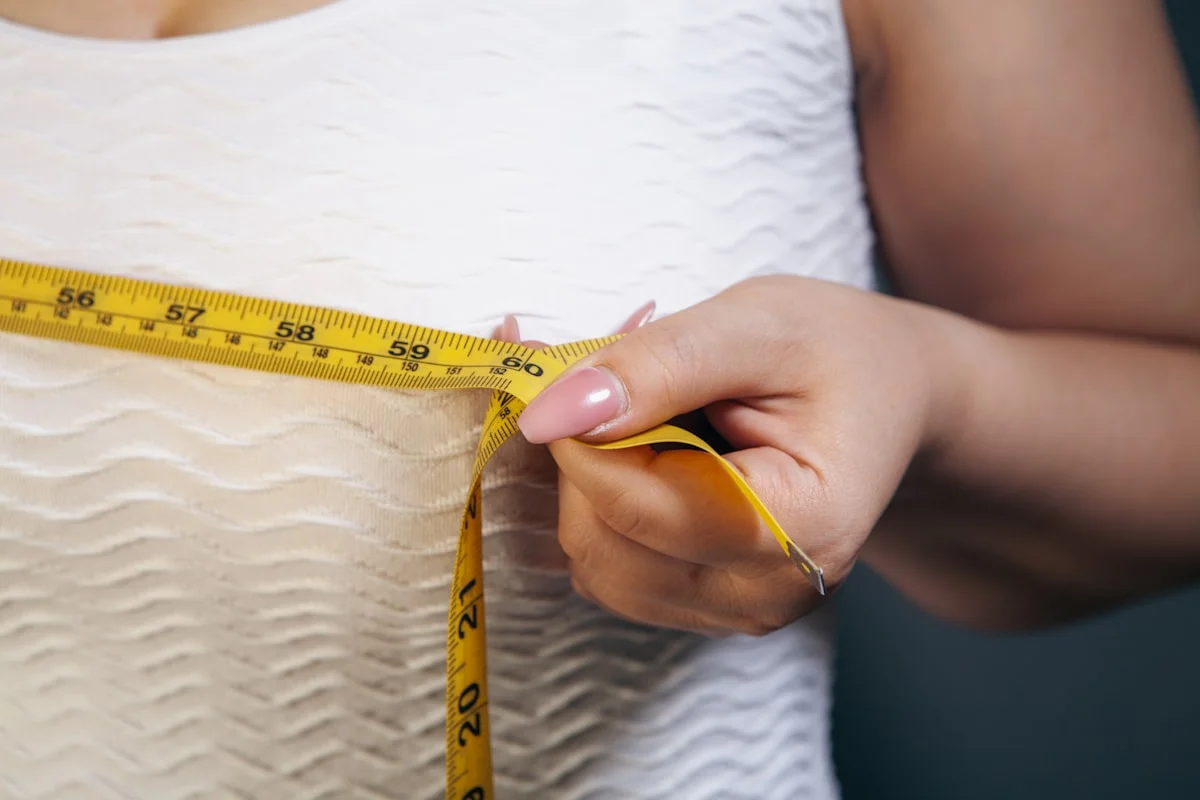
Some outfits just click. Others never feel quite right. The difference usually comes down to proportion.
Understanding your body shape gives you a practical shortcut when you shop, get dressed, or build a wardrobe. It is not a rulebook. It simply helps you see how your bust, waist, hips, and shoulders relate so clothes make more sense on your frame.
If you have ever asked yourself “what is my shape and how do I find out?” this guide walks you through it. You will learn how to measure, compare your numbers, identify the five main shapes, and choose pieces that work beautifully for each one.
The fastest route? Use the Body Shape Calculator after you take your measurements. It handles the comparison in seconds.
The 5 Main Body Shapes
| Shape | Quick Description | Measurement Clue |
|---|---|---|
| Hourglass | Balanced top and bottom with a clearly defined waist | Bust and hips are close, waist is 10+ inches smaller |
| Pear | Lower body is fuller than the upper body | Hips are 2+ inches larger than shoulders or bust |
| Apple | Midsection is the fullest area, often with a fuller bust | Waist is 2+ inches larger than bust or close to bust and fuller than hips |
| Rectangle | Bust, waist, and hips read fairly even | Bust, waist, and hips fall within about 5 inches |
| Inverted Triangle | Upper body is broader than the lower body | Shoulders are 2+ inches wider than hips |
These categories are common in fashion because they work. Each one also connects to research-based fit work. NC State's Female Figure Identification Technique, known as FFIT, used body-scan data to classify common figure patterns for apparel fit.
How to Determine Your Body Shape
You only need a soft tape measure, fitted clothing or underwear, and a mirror.
Step 1: Measure Your Bust
Wrap the tape around the fullest part of your bust. Keep it level all the way around and snug without pulling tight. Write down the number.
Example: 38 inches
Step 2: Measure Your Waist
Find the narrowest part of your torso, usually above your belly button and below your rib cage. Bend gently to one side if you need help finding it. Measure there without holding your breath.
Example: 28 inches
Step 3: Measure Your Hips
Stand with your feet together and measure around the fullest part of your hips and seat. Keep the tape parallel to the floor.
Example: 40 inches
Step 4: Measure Your Shoulders (Optional)
For a clearer answer, measure across the broadest part of your shoulders. This helps most when deciding between pear and inverted triangle.
Example: 36 inches
Waist-to-Hip Ratio
The waist-to-hip ratio tells you something useful about your shape. Take your waist measurement and divide it by your hip measurement.
For example: 28 divided by 40 equals 0.70.
| Shape | Typical Ratio | What It Means |
|---|---|---|
| Hourglass | 0.70-0.75 | Strong waist definition with balanced curves |
| Pear | 0.71-0.80 | Smaller waist with fuller hips |
| Apple | 0.80+ | Less difference between waist and hips, fullness through the middle |
| Rectangle | 0.75-0.85 | Even proportions with a softer waist break |
| Inverted Triangle | 0.75-0.85 | Waist may be defined, but shoulders lead the frame |
This ratio helps, but it is not the whole answer. Use it alongside your actual measurements.
Which Shape Am I? A Simple Decision Guide
Are your bust and hips within 2 inches of each other?
If yes, is your waist at least 10 inches smaller than both? If so, you are likely hourglass.
If your bust, waist, and hips are all within about 5 inches, you are likely rectangle.
If your hips are at least 2 inches larger than your bust or shoulders, you are likely pear.
If your shoulders are at least 2 inches wider than your hips, you are likely inverted triangle.
If your waist is the fullest point, or 2 inches larger than your bust and noticeably larger than your hips, you are likely apple.
If you sit between two categories, that is normal. Many people land near the edge of two shapes. Use the Body Shape Calculator to sort borderline cases more accurately.
What Each Shape Looks Like in Measurements
These are practical clues, not rigid boxes.
Hourglass
Example: 38-28-39
This shape often reads balanced from shoulder to hip. The waist is the standout feature.
Measurement: Bust and hips are close, waist is 10+ inches smaller
Waist-to-hip ratio: 0.70-0.75
Pear
Example: 34-27-39
The lower half carries more visual presence. Many pear frames also have gently sloped shoulders.
Measurement: Hips are 2+ inches larger than shoulders or bust
Waist-to-hip ratio: 0.71-0.80
Apple
Example: 36-39-35
Many apple figures also have a fuller bust, a strong shoulder line, and great legs.
Measurement: Waist is 2+ inches larger than bust or close to bust and fuller than hips
Waist-to-hip ratio: 0.80+
Rectangle
Example: 36-31-36
This shape reads straight and balanced. The waist exists, but it is less pronounced than on an hourglass or pear frame.
Measurement: Bust, waist, and hips fall within about 5 inches
Waist-to-hip ratio: 0.75-0.85
Inverted Triangle
Example: Shoulders 40, bust 38, waist 30, hips 35
This frame often looks athletic and structured through the upper body.
Measurement: Shoulders are 2+ inches wider than hips
Waist-to-hip ratio: 0.75-0.85
6 Benefits of Knowing Your Proportions
Faster Shopping
You can scan a rack and spot likely winners quickly
Better Fit Choices
You know where tailoring, stretch, or structure matters most
Easier Outfit Planning
Your proportions guide neckline, hemline, and rise decisions
Smarter Wardrobe Building
You buy pieces that work with what you already own
More Confidence
Getting dressed feels clearer and less random
Better Use of Style Tools
Results from the calculator, color analysis, and capsule quiz become more useful
Styling Tips for Each Shape
These are starting points, not rules.
Hourglass Styling Ideas
Hourglass frames often shine in pieces that follow the natural waist.
- ✓Deep V-neck wrap dress that follows the natural waist
- ✓Belted shirt dress with soft structure
- ✓High-rise wide-leg trousers with a fitted knit top
- ✓Single-breasted blazer with light waist shaping
- ✓Pencil skirt with stretch and a tucked-in fine-gauge sweater
Colors that work well: emerald, navy, berry
Pear Styling Ideas
Pear frames often shine in pieces that follow the natural waist.
- ✓Boat-neck knit top with straight-leg trousers
- ✓Structured blazer with subtle shoulder shape and dark wash jeans
- ✓A-line skirt that gently widens from waist to hem
- ✓Off-the-shoulder midi dress with a defined waist
- ✓Cropped jacket over a column-color top and trousers
Colors that work well: cobalt, soft white, coral
Apple Styling Ideas
Apple frames often shine in pieces that follow the natural waist.
- ✓Empire-waist dress that places the seam just under the bust
- ✓Longline blazer over a scoop-neck tee and straight jeans
- ✓Popover blouse with a clean front placket and ankle pants
- ✓Deep V-neck wrap top with fluid fabric
- ✓Tunic-length satin shirt with slim cigarette trousers
Colors that work well: teal, plum, charcoal
Rectangle Styling Ideas
Rectangle frames often shine in pieces that follow the natural waist.
- ✓Peplum top that adds a short flared ruffle at the waist
- ✓Belted utility jumpsuit
- ✓Ribbed knit dress with side ruching
- ✓Cropped moto jacket with high-rise flare jeans
- ✓Wrap-front blouse with a pleated midi skirt
Colors that work well: tomato red, camel, forest green
Inverted Triangle Styling Ideas
Inverted Triangle frames often shine in pieces that follow the natural waist.
- ✓Halter-neck jumpsuit with wide-leg pants
- ✓V-neck blouse with pleated trousers
- ✓Bias-cut slip skirt with softer movement around the body
- ✓Soft wrap cardigan with a midi skirt
- ✓Bootcut jeans with a simple fitted tank and loafers
Colors that work well: olive, rust, slate blue
Common Styling Mistakes to Avoid
Following trends before fit
Better approach: Proportion usually matters more. Adapt trends to your body shape instead of wearing them as-is.
Choosing the wrong waist placement
Better approach: A dress can be lovely, but if the waist seam hits too high or too low, the whole silhouette changes.
Skipping fabric behavior
Better approach: Stiff denim, draped crepe, rib knits, and stretch suiting all shape the body differently. The cut and the cloth work together.
Assuming off-the-rack means wrong
Better approach: Small tailoring changes can make a strong item even better. Do not assume a piece is wrong just because it looks wrong off the rack.
Body Shape vs Personal Style
Your proportions describe fit. Your personal style describes taste.
That means two people with the same measurements can dress very differently. One may love sharp minimal tailoring. Another may prefer romantic dresses, vintage denim, or relaxed streetwear. Both can work.
Body Shape
- • Determines complementary silhouettes
- • Guides cut and fit choices
- • Physical proportions
- • What looks balanced on you
Personal Style
- • Reflects your personality
- • Guides aesthetic choices
- • Colors, patterns, vibe
- • How you express yourself
Use shape knowledge to guide fit and silhouette. Use personal style to choose mood, fabric, color, and finish. If you want help building that second layer, try the Capsule Wardrobe Quiz and the Color Analysis tool.
Why Measurements Matter More Than Guesswork
Mirror checks are useful, but numbers give you clarity. They also help you notice fit shifts across brands or over time.
You do not need to chase precision forever. Measure once, check again occasionally, and use the data as a helpful styling reference.
NC State's FFIT research showed that real people cluster into recognizable fit groups, which is why body shape guidance is more useful than vague labels alone. The CDC notes that body measurements and screening tools should be interpreted carefully and in context. Style categories are about fit and proportion, not value, beauty, or health status.
Use the Calculator
If you have your numbers, skip the manual comparison and plug them into the Body Shape Calculator. It is the fastest way to answer “which shape am I” and move straight into personalized styling ideas.
You can also pair your result with the Dress for Your Shape guide, the What Is My Shape self-assessment, or the Shape by Measurements tool.
Frequently Asked Questions
What is my shape and how do I find out?
Measure your bust, waist, and hips, then compare the differences. If your waist is much smaller than your bust and hips, you may be hourglass. If hips lead, pear is likely. If your middle is fullest, apple may fit. A body shape calculator makes this faster.
Can I determine my shape without measuring?
You can get a rough idea in the mirror, but measurements are more reliable. Small differences matter, especially between rectangle and hourglass or between pear and inverted triangle.
Which shape is most common?
Rectangle is often reported as the most common category in fashion studies. That does not make it more standard or more desirable. It is simply one common proportion pattern.
Can my proportions change over time?
Yes. Hormones, age, pregnancy, strength training, and weight changes can shift your body shape over time. Bone structure stays, but proportion can still move.
Do I need shoulder measurements too?
Not always. Bust, waist, and hips are enough for many people. Shoulder measurements help most when you suspect inverted triangle or when your bust and hips are close but your upper frame feels broader.
Is waist-to-hip ratio enough to identify shape?
No. It is useful, but not complete. Two people can share a similar ratio and still belong to different categories depending on bust, hip, and shoulder differences.
What if I seem to have two body shapes?
That is very common. Bodies exist on a spectrum, not in perfect boxes. Choose the body shape that matches most of your measurements, then borrow styling ideas from the neighboring one.
Are these categories only for women?
No. Anyone can use proportion-based styling. Most fashion articles use womens fit language because garment blocks differ by brand, but the underlying measurement logic is widely useful.
Is figure type linked to health?
Not directly. Fashion categories describe fit and proportion. Health screening uses different tools and should be discussed with a qualified professional when needed.
What should I do after I learn my shape?
Use your result to guide silhouettes, rises, waist placement, and outfit balance. Then build from there with the Body Shape Calculator, Color Analysis, and Capsule Wardrobe Quiz.
Body shape classification based on measurement ratios. Styling recommendations are general guidance.Learn about our methodology
Get Weekly Style Tips
Join thousands of women discovering their perfect style. Get exclusive fashion tips, trend alerts, and style guides delivered to your inbox.
Free weekly updates. Unsubscribe anytime.