Plus Size Body Shapes: Your Complete Guide to Dressing for Your Unique Figure
Your size does not determine your body shape — your proportions do. Learn to identify your plus size body type and discover styling strategies that celebrate your curves.
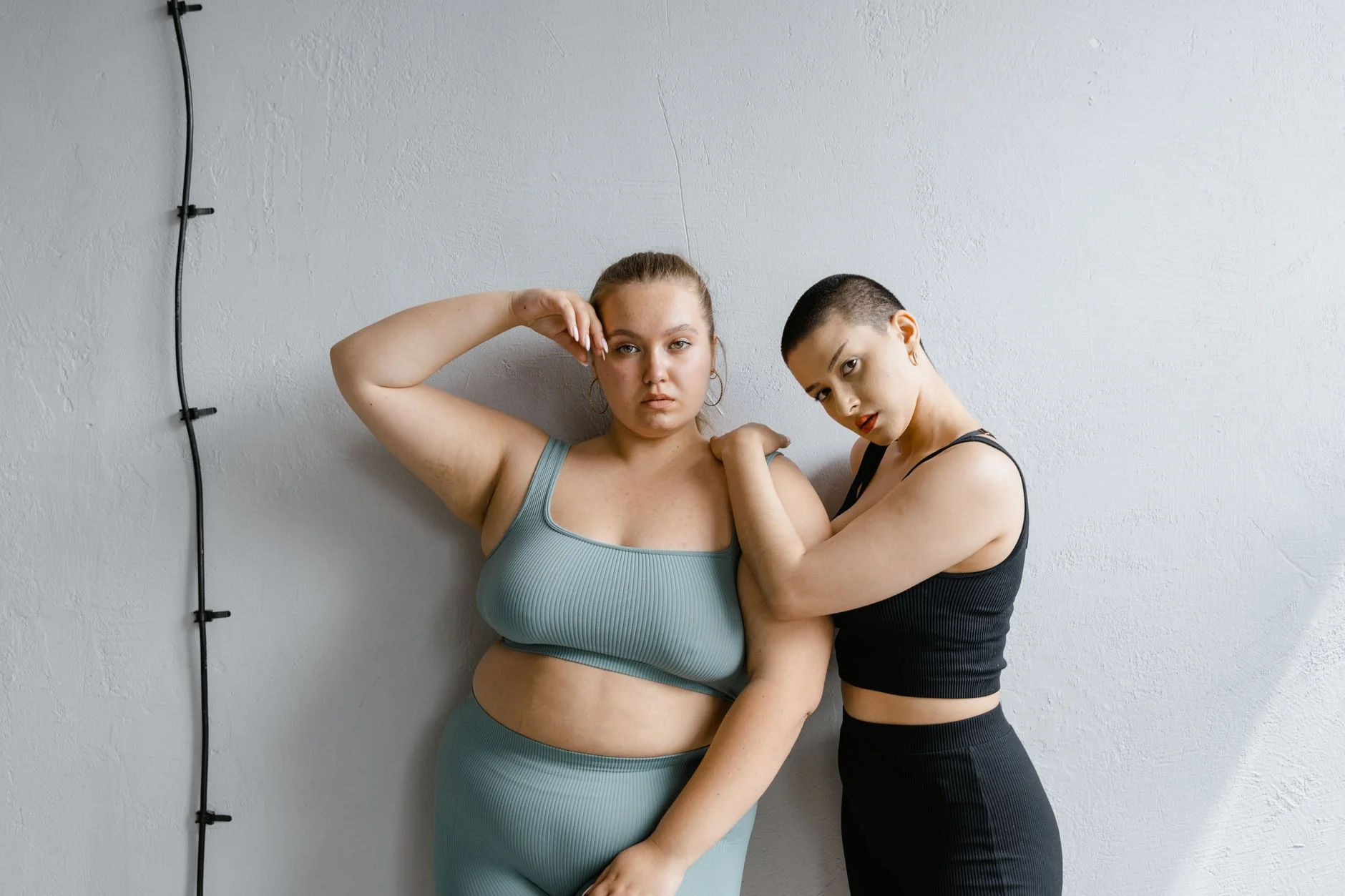
Understanding Plus Size Body Shapes
The fashion industry has spent decades conflating size with shape, and it drives me a little crazy. A size 6 and a size 26 can both be hourglasses. Size is about how clothes fit your body. Shape is about your proportions — the relationship between your bust, waist, and hips.
You might carry weight in your midsection, or your hips might be significantly wider than your shoulders, or your waist might be the most defined part of your torso. These patterns determine your shape, and they do not care what size you wear.
Here is what I find most helpful to understand: body shape categories are not boxes you have to fit into perfectly. They are starting points. Your actual proportions probably blend a little between categories, or lean strongly toward one but not quite match the textbook description. That is normal. The categories give you a framework, not a prison sentence.
The easiest way to find your shape:
Take three measurements at home. You will need a soft measuring tape and about five minutes. Wear your undergarments — not much bulk or structure to interfere with the numbers. Or use our free Body Shape Calculator — it does this for you and gives you specific recommendations.
How to Measure Your Body Shape at Home
1
Bust
Bust
Wrap the tape around the fullest part of your chest, keeping it level. Breathe normally. Do not pull it tight — it should rest against your body.
2
Waist
Natural Waist
This is usually the narrowest part of your torso, roughly an inch above your belly button. That is the spot where your body creases if you bend to the side.
3
Hips
Hips
Find the widest part of your lower body — often at the hip bones, sometimes slightly below. Measure around that point.
Now compare them:
- Apple: Bust biggest, waist smaller, hips smaller still
- Pear: Hips wider than bust, waist smaller than both
- Hourglass: Bust and hips close, waist at least 8-10 inches smaller
- Rectangle: All three measurements fairly similar
- Inverted Triangle: Shoulders and bust wider than hips
The Five Plus Size Body Shapes
Each shape has styles that naturally work with its lines. The goal is never to make yourself disappear or change your body — it is to choose clothes that make the most of what you have got.
Apple Body Shape
Apple shapes carry weight in the torso and bust area. Shoulders might be broader than the hips, giving a straighter line from waist to hips. The waist does not always define itself clearly.
Celebrity examples: Queen Latifah, Rebel Wilson, Melissa McCarthy
What to wear
- * V-necklines create a vertical line that makes your torso look longer
- * Empire waist seams (just below the bust) gather fabric and let everything drape
- * Wrap dresses tie around your waist and follow your shape without pulling tight
- * A-line cuts balance your upper and lower halves
- * Structured blazers add form to your silhouette
Color strategy: Dark tones on bottom, brighter colors on top. Vary texture instead of color if you prefer all dark.
Pear Body Shape
Pear shapes carry weight in the hips and thighs. Your hips are wider than your bust, your waist might be defined or more subtle, and your upper body often feels smaller in comparison.
Celebrity examples: Ashley Graham, Gabourey Sidibe
What to wear
- * A-line skirts skim over your hips without adding bulk
- * Bootcut pants create a continuous line from waist to foot
- * Statement tops with interesting necklines add emphasis to your upper body
- * Dark bottoms keep your lower half from competing for attention
- * Fit-and-flare dresses gather at the waist and flare gently below
Color strategy: Dark colors on bottom, rich or bright colors on top. Patterns belong where you want attention — usually the upper body.
Hourglass Body Shape
Hourglass shapes have a well-defined waist — the bust and hips are similar in size, and the waist is noticeably smaller.
Celebrity examples: Christina Hendricks, Kate Winslet
What to wear
- * Wrap dresses tie at the waist and follow your curves beautifully
- * Belted pieces highlight your narrowest point
- * Fitted jackets that taper at the waist keep your silhouette clean
- * Pencil skirts show off your shape and create a sleek line
- * High-waisted bottoms sit at your natural waist and define your middle
Color strategy: Monochromatic dressing creates a long, elegant line. Color blocking at natural separation points works well.
Rectangle Body Shape
Rectangle shapes have relatively balanced measurements across bust, waist, and hips. The waist is not highly defined, giving a straighter line from shoulders to hips.
Celebrity examples: Cameron Diaz (athletic build)
What to wear
- * Peplum tops add visible volume at the waist where you want the appearance of curves
- * Belts at your natural waist create the appearance of a waist
- * Layered outfits add interest and can create the illusion of curves
- * Dresses with gathering or ruching at the waist create shape
- * Structured pieces add form and definition
Color strategy: Color blocking at the waist creates the appearance of curves. Accessories at shoulders, waist, or hips break up your straight line.
Inverted Triangle Body Shape
Inverted triangles carry weight in the upper body — shoulders and bust are wider than the hips, creating a top-heavy silhouette.
Celebrity examples: Cindy Crawford (modeling career)
What to wear
- * Wide-leg pants and skirts add visual volume below the waist
- * A-line silhouettes balance your upper and lower halves
- * V-necks and scoop necks draw the eye inward rather than outward
- * Simple necklines without shoulder pads or added width
- * Dark-colored tops keep your upper half from looking wider
Color strategy: Dark top, lighter or brighter bottom. This immediate visual division creates balance.

Universal Styling Principles
A few things apply no matter what your shape:
Fit beats size numbers every time
A well-fitting size 20 looks better than a poorly-fitting size 16. The number on the tag means nothing once it is on your body. Focus on how clothes actually fit.
Define your waist
Even if your waist is not your most defined feature, creating a focal point there — with a belt, a wrap style, a fitted piece — adds structure. It just looks more polished.
Vertical lines create length
Monochromatic dressing, vertical patterns, tailored silhouettes — these all create the appearance of length and elegance.
One focal point per outfit
When everything is competing for attention, nothing stands out. Choose one area to emphasize.
Capsule Wardrobe Basics by Shape
A capsule wardrobe is just a small collection of pieces that all work together. You do not need 30 items — you need the right 8 to 12.
For Apple
Navy A-line dress, black V-neck top, dark straight-leg pants, empire-waist tunic, structured blazer.
For Pear
Navy A-line skirt, boat-neck sweater, dark bootcut pants, statement necklace, dark wide-leg pants.
For Hourglass
Black wrap dress, belted coat, high-waisted pencil skirt, structured blazer, bias-cut dress.
For Rectangle
Black peplum top, navy straight-leg pants, wide-leg charcoal pants, different belts, fitted jacket.
Each of these builds at least five outfits when you mix strategically.
Find Your Plus Size Body Shape
The most accurate way to determine your body shape is using our free Body Shape Calculator. It analyzes your measurements and gives you personalized recommendations based on your specific proportions. It takes less than a minute.
Key Takeaways
- *Body shape comes from your measurement ratios, not your clothing size
- *Plus size women have all five shapes — apple, pear, hourglass, rectangle, inverted triangle
- *Measure at home or use our free calculator to find your shape
- *Fit matters more than size — chase the way clothes fit, not the number inside them
- *Each shape has principles that work with your natural lines
- *A functional capsule wardrobe needs about 8 to 12 versatile pieces
Frequently Asked Questions
Do plus size women have different body shapes?
Plus size is a sizing term — it refers to clothing availability, not body proportions. Plus size women have all five body shapes. Shape is determined by your measurement ratios, not your clothing size.
What is the most common plus size body shape?
Apple and pear are commonly cited, largely because weight distribution in the midsection and lower body is frequent as dress sizes increase. But every shape exists at every size.
How do I measure my body shape at home?
Bust at the fullest part of your chest. Natural waist at the narrowest part of your torso. Hips at the widest part of your lower body. Compare: largest measurement determines your basic shape category.
What should I wear if I'm apple-shaped?
V-necklines, empire waist, wrap dresses, A-line cuts work best. These create vertical lines and drape rather than cling. Dark colors on bottom, rich colors on top creates balance.
What should I wear if I'm pear-shaped?
A-line skirts, bootcut pants, statement tops. Dark colors on bottom, bright or detailed tops on upper body. Draw attention upward with color and detail.
Should I avoid certain styles as a plus size woman?
No hard rules. Fashion is personal expression. Generally, well-fitting clothes look better than poorly-fitting clothes. If something feels good, it probably looks good.
How do I create a capsule wardrobe for my body shape?
Start with 8 to 12 versatile pieces: a dress or two, a few tops, two or three bottoms, one or two layering pieces. Everything should work with everything else.
What's the best body shape for plus size fashion?
There is no best. Every shape has clothing options that work well for it. The goal is understanding your specific proportions so you can make informed choices.