Types of Collars: Style Guide
Collars are one of those details that most people absorb instinctively without consciously naming them — you know when a collar looks right or wrong for an outfit even if you cannot explain why. This guide makes that implicit knowledge explicit. Each collar style carries its own set of associations, proportional effects, and occasion rules. A Peter Pan collar signals something entirely different from a wide spread collar; a band collar reads differently from a notch lapel. Understanding the eight key collar types covered here means you can make deliberate, informed choices when shopping and dressing, rather than relying entirely on gut instinct. Collars frame the face, define the garment's formality, and are one of the smallest details with the largest impact on how a finished outfit reads.
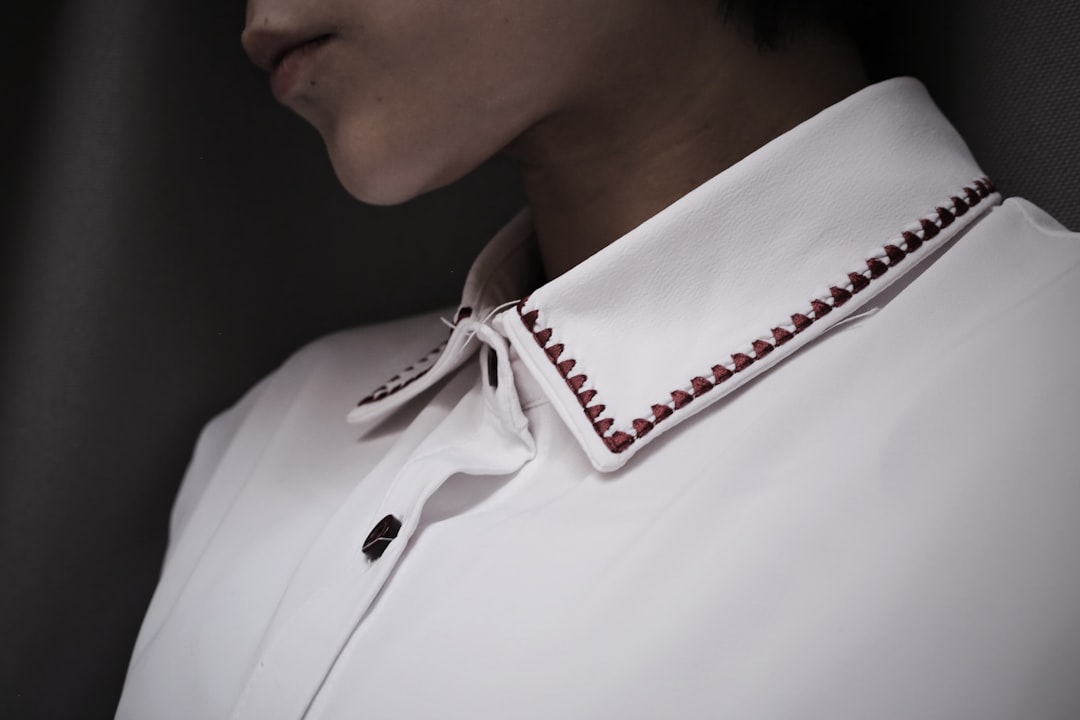
Collars: Collars are one of those details that most people absorb instinctively without consciously naming them — you know when a collar looks right or wrong for an outfit even if you cannot explain why. This guide makes that implicit knowledge explicit. Each collar style carries its own set of associations, proportional effects, and occasion rules. A Peter Pan collar signals something entirely different from a wide spread collar; a band collar reads differently from a notch lapel. Understanding the eight key collar types covered here means you can make deliberate, informed choices when shopping and dressing, rather than relying entirely on gut instinct. Collars frame the face, define the garment's formality, and are one of the smallest details with the largest impact on how a finished outfit reads. This guide covers 8 styles with body-shape recommendations, styling tips, and occasion ideas. Find which styles suit you best with our free Body Shape Calculator.
All Collars Styles
Click on any style to jump to detailed information, styling tips, and body type recommendations.
Peter Pan Collar
#1The Peter Pan collar is a flat, rounded collar with a small, curved shape that lies close to the base of the neck. Named after the collar design used in stage productions of J.M. Barrie's play, it has a youthful, feminine quality that has cycled through fashion since the early twentieth century. Contemporary Peter Pan collars appear in everything from children's clothing to high-fashion blouses and dresses, often in contrast fabrics or with embroidered detailing.
Key Characteristics
- Flat, rounded collar points that lie against the garment
- Small to medium in size
- Creates a sweet, feminine aesthetic
- Often in contrast fabric or with decorative trim
Best For
- Vintage-inspired and preppy style aesthetics
- Adding a feminine detail to plain dresses or blouses
- Drawing attention to the face and neckline
- Creating a polished, put-together look with a soft quality
Consider Avoiding If
- Very formal corporate environments
- Those who prefer minimal, architectural detailing
- Very full busts (the collar can look cluttered at the chest)
Styling Tips
- Layer a Peter Pan collar blouse under a crew-neck jumper so the collar peeks out
- A contrast-colour Peter Pan collar is a statement detail on an otherwise simple dress
- Pair with a pencil skirt and simple kitten heels for a beautifully cohesive look
- Keep accessories minimal — the collar itself is the detail
Mandarin Collar
#2The mandarin collar (also called a band collar or Nehru collar) is a short, stand-up band that encircles the base of the neck without folding over into a traditional lapel. Originating in traditional Chinese and South Asian dress, it entered Western fashion in the 1960s and has never fully left. The mandarin collar communicates minimalism, structure, and a quiet sophistication that is particularly popular in contemporary fashion circles.
Key Characteristics
- Short, upright band collar with no fold or lapel
- Typically 1–2 inches tall
- Creates a clean, architectural neckline
- Collarless in the traditional Western sense
Best For
- Long necks — celebrates and showcases elegant neck length
- Minimalist and contemporary style preferences
- Professional settings where quiet polish is the goal
- Those who prefer more neck coverage without a traditional collar
Consider Avoiding If
- Short necks (can visually shorten them further)
- Those who find fabric touching the neck all day uncomfortable
- Very traditional business environments expecting point or spread collar shirts
Styling Tips
- A mandarin collar blouse under a tailored blazer is particularly clean and modern-looking
- Pair with simple drop earrings — the collar frames the face beautifully
- Mandarin collar dresses with a waist belt create a sleek, modern silhouette
- Choose lightweight fabrics to ensure comfort in a collar that sits close to the neck all day
Spread Collar
#3A spread collar has collar points that angle outward, with a wide spread between the two points. This creates an open, expansive neckline that works beautifully with or without a tie. Spread collars are considered sophisticated and fashion-forward in business dressing — the wider the spread, the more contemporary the garment reads. They are a staple of modern shirt dressing for anyone who works in a professional environment.
Key Characteristics
- Collar points angled outward at a wide angle
- Broad spread between the two collar points
- Creates an open, sophisticated neckline
- Works well with and without ties
Best For
- Professional and business casual dressing
- Those who want a modern, fashion-conscious shirt collar
- Pairing with statement necklaces (the open spread frames them beautifully)
- Longer faces — the horizontal spread adds visual width
Consider Avoiding If
- Very wide faces (the horizontal spread can add further width)
- Very traditional or conservative environments where pointed collars are expected
Styling Tips
- Wear unbuttoned one or two buttons for a relaxed, modern take on the spread collar
- A spread collar blouse under an open blazer is a sophisticated, polished look
- With a statement necklace, the wide spread creates a natural frame for the jewellery
- Choose a spread collar in a luxe fabric — silk or cotton poplin — for the most professional result
Pointed (Point) Collar
#4The pointed collar, also called a pin collar or standard point collar, features collar points that extend downward in a relatively narrow angle. It is the most classic and traditional shirt collar style, with a long history in both formal dressing and casual shirting. The pointed collar is the standard choice in formal business environments and is considered the most conservative and versatile of all collar styles.
Key Characteristics
- Collar points angled downward in a narrow angle
- Classic, traditional silhouette
- Appropriate for nearly all business settings
- Provides a clean, structured frame at the neckline
Best For
- Traditional and formal business environments
- Wearing with ties — the narrow spread is designed for it
- Creating a timeless, conservative professional look
- Those who prefer a structured, formal collar aesthetic
Consider Avoiding If
- Ultra-casual settings where the collar reads as too formal
- Those who prefer a more fashion-forward collar detail
Styling Tips
- Pop a pointed collar over a jumper for a smart preppy look
- Button fully to the top for a strict, formal silhouette or leave the top button open for ease
- Pointed collar blouses in silk or satin elevate immediately for evening wear
- French tuck into high-waisted trousers for a polished work look
Shawl Collar
#5The shawl collar is a continuous, rounded collar that flows without break from the front lapels, forming a smooth, curved line around the neck. It lacks the traditional notch of a standard lapel and instead curves seamlessly from one side to the other. The shawl collar is most commonly found on cardigans, tuxedo jackets, bathrobes, and wrap coats, where it creates a relaxed, enveloping quality.
Key Characteristics
- Continuous, curved collar with no notch or break
- Smooth, flowing line from one lapel to the other
- Creates a soft, enveloping silhouette
- Most common in knitwear, eveningwear, and outerwear
Best For
- Creating a relaxed, sophisticated evening look
- Knitwear and casual suiting
- Tuxedo-style evening jackets
- Those who want a soft, non-structured collar option
Consider Avoiding If
- Very formal day business environments (reads as too casual or eveningwear)
- Those who prefer structured, angular collar detailing
Styling Tips
- A shawl collar cardigan is a wardrobe essential — layer over anything for instant cosy-smart dressing
- A shawl collar tuxedo jacket creates a softer, more romantic formal look than a standard notch lapel
- Wear a shawl collar wrap coat over a simple outfit for an effortless, elevated cold-weather look
- Keep the rest of the outfit simple — the shawl collar creates its own statement
Notch Lapel
#6The notch lapel is the most standard and widely seen lapel style in tailored jackets and blazers. It features a triangular notch cut into the point where the collar meets the lapel, creating the distinctive "V" opening that most people associate with a classic blazer. The notch lapel is versatile, professional, and strikes the right balance between structure and approachability.
Key Characteristics
- Triangular notch cut where collar meets lapel
- Creates the classic blazer or suit jacket silhouette
- Most common lapel style in everyday tailoring
- Available in narrow and wide variations
Best For
- Professional and business casual dressing
- Everyday blazer and jacket wear
- Creating a polished, structured look
- Versatile enough for both casual and formal occasions
Consider Avoiding If
- Black tie or very formal events (peak lapels are preferred)
- Those looking for an unconventional or highly fashion-forward collar detail
Styling Tips
- A notch lapel blazer over a simple top and trousers is the easiest route to looking immediately put-together
- Choose a wide notch lapel for a more modern, fashion-conscious look
- Lapel pins, brooches, and pocket squares are the easiest ways to personalise a notch lapel jacket
- A single-button closure with a notch lapel reads as modern; a two or three-button version reads as classic
Band Collar
#7The band collar (sometimes called a collarband) is the simplest collar construction — just a narrow band of fabric sewn around the neckline with no additional folding or lapel structure. It is essentially a collar that has had its collar points removed, leaving only the base. Band collars have a relaxed, slightly bohemian quality in casual fabrics, and a modern, minimalist quality in crisp cotton or structured weaves.
Key Characteristics
- Narrow band of fabric encircling the neckline
- No traditional collar points or lapels
- Clean, minimalist aesthetic
- Works in both casual and structured fabrics
Best For
- Casual and creative style aesthetics
- Those who find traditional collars uncomfortable
- Creating a relaxed, bohemian or minimalist look
- Warm weather shirting where an open collar is desired
Consider Avoiding If
- Formal business environments expecting structured collar shirts
- Those who need a collar for tie wearing
Styling Tips
- Leave a band collar shirt open at the top for the most relaxed, effortless look
- A band collar shirt tucked into wide-leg trousers reads as very contemporary and considered
- In linen or cotton, band collar shirts are near-perfect warm weather wardrobe staples
- Layer a band collar shirt under a blazer for a modern take on the classic shirt-and-blazer combination
Stand Collar
#8A stand collar (also called a standing collar or military collar) is an upright collar that stands away from the neckline without folding over. Unlike the mandarin collar, which is soft and rounded, the stand collar tends to be taller, more structured, and more architectural in its effect. Stand collars have a strong association with military uniform dressing and appear frequently in structured coats, jackets, and fashion-forward shirts.
Key Characteristics
- Upright collar standing away from the neckline
- Taller and more architectural than a mandarin collar
- Creates a structured, formal-feeling frame
- Common in outerwear, military-inspired fashion, and structured shirting
Best For
- Creating a dramatic, fashion-forward look
- Those who enjoy structured, architectural detailing
- Outerwear and coat styling
- Long necks — the height of the collar is best worn with neck length to balance it
Consider Avoiding If
- Short necks (the collar height can visually overwhelm)
- Very casual settings where the structured collar reads as too formal or costume-like
Styling Tips
- A stand collar coat with simple, clean separates inside creates an intentional, editorial look
- Wear hair up to show off a stand collar properly
- Keep jewellery at the ears only — the collar occupies the neck space entirely
- Choose a stand collar in a luxe fabric — wool, structured cotton, or velvet — to carry the formality of the style
General Tips for Choosing Collars
- The collar is the closest element to your face in any outfit — it frames your features and sets the tone for the entire garment
- Collar choice has a significant effect on how formal or casual a garment reads: pointed and spread collars read as professional, band and stand collars read as contemporary, and Peter Pan collars read as playful
- Consider your neck length when choosing collars — high, tall collars (stand, mandarin) work best with longer necks, while open and spread collars work for all neck lengths
- Face shape plays a role too: rounded collars (Peter Pan, shawl) soften angular faces; structured, angular collars add definition to rounder faces
- Collar quality is often where garment quality is most visible — a well-constructed collar in a fine fabric signals a well-made piece
- When in doubt, a spread or point collar in a clean fabric is the most versatile and appropriate collar choice for professional and smart casual settings
Best Collars by Body Shape
Different collars complement different body proportions. Find which styles work best for your shape.
Hourglass Shape
- Spread collar
- Shawl collar
- V-neckline with no collar
- Notch lapel
Pear Shape
- Spread collar
- Peter Pan collar
- Off-shoulder neckline
- Stand collar (draws eye up)
Apple Shape
- V-neckline blouses
- Spread collar
- Mandarin collar
- Shawl collar
Rectangle Shape
- Peter Pan collar
- Ruffled collar
- Spread collar
- Shawl collar (adds volume)
Inverted Triangle Shape
- V-neck with no collar
- Mandarin collar
- Band collar
- Notch lapel (draws eye down)
Not Sure of Your Shape?
Take our free quiz to find out
Body Shape Calculator →Frequently Asked Questions
What is the most versatile collar style for professional settings?
The pointed (point) collar is the most universally appropriate for professional settings, followed closely by the spread collar. Both read as polished and formal, work with and without ties, and appear in blouses and shirts across every professional industry. The spread collar is considered slightly more contemporary and fashion-forward; the pointed collar is the most traditional choice.
What collar works best for short necks?
Open, low-lying collars are generally more comfortable and proportionally better for short necks — spread collars, Peter Pan collars, and open-band collars are good choices. Avoid tall, upright stand collars and mandarin collars, which can visually shorten an already short neck. A V-neckline without a collar is also an excellent option for elongating the neck.
What is the difference between a mandarin collar and a band collar?
The mandarin collar (also called Nehru or stand collar) is structured and stands up firmly around the neck — it has a precise, architectural quality. A band collar is simpler and softer — it is essentially just a narrow band of fabric around the neckline with no points or structure. The mandarin collar reads as more formal and polished; the band collar reads as more relaxed and casual.
What collar suits a round face shape?
Structured, angular collars work well with round faces because they add definition and contrast to soft curves. A pointed collar, spread collar, or a V-neckline without a collar are all good choices. Rounded collars like the Peter Pan or shawl collar echo the roundness of the face, which can sometimes make the face appear rounder — but this is a guideline, not a rule, and personal style always takes precedence.
When should you wear a shawl collar versus a notch lapel?
A notch lapel is the more versatile, everyday choice — it works across nearly every occasion from business casual to smart evening. A shawl collar is best reserved for more relaxed, cosy, or evening contexts — knitwear, tuxedo jackets, and wrap coats are its natural habitat. If you are dressing for a work meeting, choose notch lapel; if you are dressing for a dinner party or a relaxed evening, a shawl collar is a beautiful alternative.
Explore Other Clothing Types
Types of Necklines
V-neck, crew neck, scoop, boat neck, and more
View 25 stylesTypes of Sleeves
Cap, puff, bell, bishop, dolman, and more
View 20 stylesTypes of Skirts
A-line, pencil, maxi, midi, mini, and more
View 10 stylesTypes of Dresses
Shift, wrap, fit and flare, maxi, and more
View 12 stylesTypes of Pants
Straight-leg, wide-leg, skinny, palazzo, and more
View 10 stylesTypes of Tops
Blouse, tank, crop, tunic, peplum, and more
View 10 styles