Types of Skirts: Complete Style Guide
Skirts are one of fashion's most expressive pieces. They come in every length, silhouette, and fabric imaginable, and the right skirt can completely transform an outfit's mood — from boardroom-ready to weekend-casual in a seam change. Understanding the difference between a pencil and a sheath, a pleated and a circle, means you shop smarter and dress better. This guide breaks down every major skirt type, who they work best for, and how to style them for real occasions.
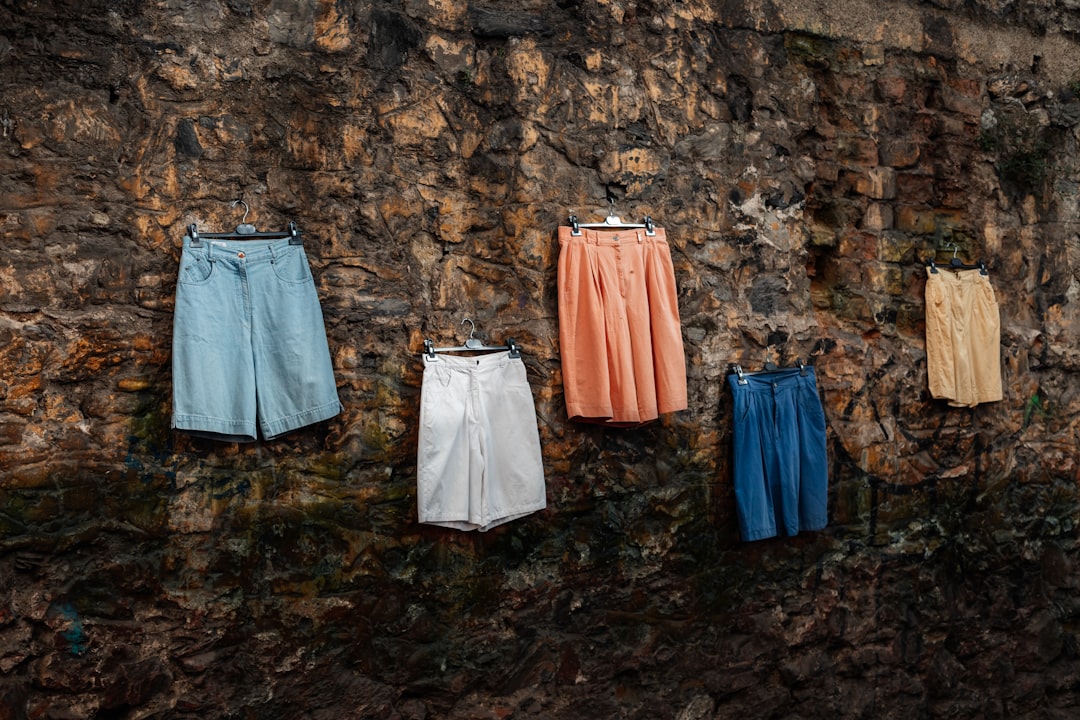
Skirts: Skirts are one of fashion's most expressive pieces. They come in every length, silhouette, and fabric imaginable, and the right skirt can completely transform an outfit's mood — from boardroom-ready to weekend-casual in a seam change. Understanding the difference between a pencil and a sheath, a pleated and a circle, means you shop smarter and dress better. This guide breaks down every major skirt type, who they work best for, and how to style them for real occasions. This guide covers 10 styles with body-shape recommendations, styling tips, and occasion ideas. Find which styles suit you best with our free Body Shape Calculator.
All Skirts Styles
Click on any style to jump to detailed information, styling tips, and body type recommendations.
Pencil Skirt
#1The pencil skirt is a slim, fitted skirt that follows the contours of the hips and thighs, tapering slightly at the hem. It's the definitive power skirt — structured, intentional, and unmistakably professional. The narrow hem typically includes a small vent or kick pleat at the back for ease of movement.
Key Characteristics
- Fitted through the hips and thighs
- Straight, narrow silhouette that tapers toward the hem
- Usually features a back vent or kick pleat
- Hemline typically falls at the knee or just below
Best For
- Hourglass shapes — the fitted cut showcases natural curves
- Rectangle shapes — creates the appearance of defined hips
- Professional environments that call for a polished silhouette
- Those who love a sleek, structured look
Consider Avoiding If
- Very active days (restricts stride without a vent)
- Apple shapes (fitted through the midsection can feel uncomfortable)
- Those who prefer relaxed, flowing silhouettes
Styling Tips
- Tuck in a silk blouse for a classic, polished pairing
- A pencil skirt with a cropped jacket creates a sharp office look
- Wear with a slit at the back for comfortable walking
- Block-heeled pumps elongate the leg line beautifully with this silhouette
A-Line Skirt
#2The A-line skirt fits at the waist and hips then gradually flares outward, forming the shape of the letter A. It's one of the most universally complementary skirt silhouettes because it skims over the hips without clinging and creates a balanced, clean line. The gentle flare makes it incredibly comfortable while remaining polished.
Key Characteristics
- Fitted at the waist, flares gently outward toward the hem
- Creates a triangular, balanced silhouette
- Available in lengths from mini to maxi
- Flows naturally with movement
Best For
- Pear shapes — the gentle flare skims over hips gracefully
- All body types — one of the most versatile skirt silhouettes
- Office and casual occasions alike
- Those who want structure without restriction
Consider Avoiding If
- Those who prefer close-fitting, body-skimming silhouettes
- Very voluminous versions on petite frames (can overwhelm)
Styling Tips
- Tuck in a fitted blouse or crew-neck sweater to highlight the waist
- An A-line midi skirt with ankle boots is a wardrobe staple
- Choose a structured fabric like ponte for a smart look; cotton for casual
- Add a thin belt to define the waist further
Pleated Skirt
#3A pleated skirt features folds of fabric stitched at the waistband and falling free below, creating volume, movement, and a polished structure. Box pleats, knife pleats, and accordion pleats each create a slightly different look — from structured and tailored to flowing and dynamic. Pleats add dimension and a sense of intentional design.
Key Characteristics
- Fabric folds (pleats) stitched at or near the waistband
- Creates volume and movement below the pleats
- Available in box, knife, inverted, and accordion pleat styles
- Reads as structured and polished
Best For
- Rectangle shapes — pleats add volume and create the appearance of curves
- Pear shapes — look for pleats that sit flat at the front (less volume at the hips)
- Those who want movement and structure in one piece
- Office and smart-casual settings
Consider Avoiding If
- Apple shapes (pleats add volume around the midsection)
- Those who prefer close-fitting silhouettes
- Very casual occasions where pleats may feel overdressed
Styling Tips
- Tuck in a fitted, lightweight knit for a balanced proportion
- A midi pleated skirt with a blazer is a refined office combination
- Choose a pleated skirt in a statement print or bold color to let it lead
- Ballet flats and loafers balance the formality of pleats for daytime
Wrap Skirt
#4The wrap skirt ties or fastens around the waist, with one panel of fabric overlapping the other to create the closure. It's an adjustable, forgiving silhouette that accommodates size fluctuations and can be styled loose or more fitted depending on how it's tied. A side slit is often a natural feature of the wrap construction.
Key Characteristics
- One or two fabric panels wrap and tie around the waist
- Adjustable fit via tie or button closure
- Often features a natural side overlap or slit
- Available in many lengths and fabrics
Best For
- All body types — the adjustable fit is universally accommodating
- Pear shapes — the diagonal overlap draws the eye upward
- Postpartum or transitional dressing — accommodates size changes
- Those who want a relaxed yet polished look
Consider Avoiding If
- High-activity settings (fabric may shift or open)
- Very breezy outdoor occasions without securing stitches
- Those who prefer a very structured, tailored skirt
Styling Tips
- Secure the inner tie with a safety pin to prevent gaps
- A linen wrap skirt with a tucked-in tank is a perfect summer look
- Wrap skirts in animal print or bold color make a statement with simple tops
- Wear with espadrilles or strappy sandals for a relaxed, warm-weather vibe
Maxi Skirt
#5The maxi skirt falls to the ankle or floor, creating a sweeping, elongated silhouette that works across a surprisingly broad range of occasions. Floor-length skirts have an inherent elegance, but styled with a simple tee and sandals they read as effortlessly casual. The key variable is the silhouette within that length — fitted, A-line, tiered, or flowing all create different effects.
Key Characteristics
- Falls to the ankle or floor
- Creates a long, continuous vertical line
- Available in many silhouette variations within the length
- Can be dressed up or completely casual depending on styling
Best For
- Tall frames — the length is proportionate and striking
- Pear shapes — elongates the silhouette, draws attention upward
- Those who want coverage without heaviness
- Warm-weather occasions where a breezy, flowy skirt shines
Consider Avoiding If
- Very petite frames without heels (the hem may drag)
- Very cold weather without thoughtful layering
- High-activity settings where hem length is impractical
Styling Tips
- Petite wearers: choose a maxi with a side slit and wear with heeled sandals
- Tuck in a cropped top or fitted blouse to balance the length below
- A jersey maxi skirt with a crisp button-down is relaxed weekend dressing
- Layer a denim jacket over a flowy maxi for a casual boho look
Mini Skirt
#6The mini skirt sits at mid-thigh or above, a hemline that became iconic in the 1960s as a symbol of freedom and youthful confidence. It remains a staple of casual and evening wardrobes. The shorter length draws attention to the legs and reads as energetic and bold, whether paired with an oversized blazer for a fashion-forward look or styled simply for everyday wear.
Key Characteristics
- Hemline falls above mid-thigh
- Creates a leggy, youthful silhouette
- Available in many silhouette types (A-line, straight, pleated)
- Often associated with casual and evening aesthetics
Best For
- Showcasing and celebrating legs at any size
- Casual and evening occasions
- Those who feel confident and empowered in shorter hemlines
- Inverted triangle shapes — draws attention downward, balancing broader shoulders
Consider Avoiding If
- Formal workplace environments
- High-activity settings where coverage is needed
- Those who prefer more modest hemlines
Styling Tips
- Balance a mini skirt with a longer or more modest top — oversized blazer, turtleneck, or loose blouse
- Opaque tights allow for mini skirt dressing in cooler months
- A leather or faux-leather mini with a tucked-in blouse is a classic evening look
- Flat boots with a mini skirt create an effortlessly cool, balanced outfit
Midi Skirt
#7The midi skirt falls between the knee and ankle, typically at mid-calf. It's the length that has had the biggest fashion revival of the past decade — now firmly embedded as a staple from workwear to weekend dressing. Its between-lengths quality is actually its greatest strength: it bridges formal and casual, warm and cool weather, dressed-up and dressed-down.
Key Characteristics
- Hemline falls between knee and ankle
- Creates a modest, elongated silhouette
- Works year-round with different styling
- Available in many silhouette types
Best For
- All body types — one of the most versatile lengths
- Office environments where shorter hemlines aren't appropriate
- Transitional weather styling
- Those who want elegance without full-length commitment
Consider Avoiding If
- Very petite frames (can cut the leg visually — add heels)
- Those who prefer the freedom of shorter hemlines
- Very casual, sporty occasions
Styling Tips
- A midi skirt with ankle boots creates a sleek, continuous leg line
- Tuck in a fitted crew-neck sweater for a polished everyday look
- A flowy midi with a crisp white shirt is eternally classic
- Try a midi slit skirt for movement and visual interest
Circle Skirt
#8Cut from a full circle of fabric with the waist hole in the center, the circle skirt creates a full, dramatic flare that moves beautifully with every step. The circular cut means the skirt stands away from the body, creating exceptional volume and a playful, romantic silhouette. This is the skirt for twirling in — genuinely.
Key Characteristics
- Cut from a circular piece of fabric
- Waistband sits flat; skirt flares dramatically
- Creates exceptional volume and movement
- Hemline can vary from mini to midi
Best For
- Pear shapes — the volume at the hem balances proportions and celebrates curves
- Rectangle shapes — the full flare creates a defined waist and dramatic hips
- Festive, playful occasions
- Those who love movement and volume in their skirts
Consider Avoiding If
- Apple shapes (volume at the hips can feel unbalanced)
- Minimalist style preferences
- High-wind outdoor events (unless you embrace the drama)
Styling Tips
- A fitted top is essential with a circle skirt to balance the volume below
- A circle skirt in a bold floral print is a joyful summer statement
- Wear with a petticoat underneath for maximum 1950s-inspired volume
- A half-tuck of a fitted blouse keeps the look intentional, not overwhelming
Tulip Skirt
#9The tulip skirt features overlapping fabric panels at the front that create a pointed, petal-like shape — resembling a tulip flower. This silhouette is fitted at the waist and hips, with the overlapping panels adding gentle volume and visual interest. It's a more structured alternative to the wrap skirt, with a sophisticated, sculptural quality.
Key Characteristics
- Overlapping fabric panels create a petal or pointed front
- Fitted at waist and hip
- Creates gentle volume without a full flare
- Sophisticated, architectural silhouette
Best For
- Hourglass and pear shapes — the fitted hip accentuates natural curves
- Rectangle shapes — the petal overlap creates the illusion of curves at the hip
- Professional and smart-casual settings
- Those who want volume with a structured, intentional design
Consider Avoiding If
- Apple shapes (fitted through the hip area)
- Very casual occasions where the sculptural design reads as overdressed
- Those who prefer simple, unfussy silhouettes
Styling Tips
- Tuck in a fitted, tucked blouse to keep the silhouette clean and intentional
- A tulip skirt in a solid, rich color looks polished and sophisticated
- Pointed-toe heels amplify the sculptural quality of the silhouette
- Keep tops simple — the tulip fold is the visual focal point
Tiered Skirt
#10A tiered skirt is made of horizontal layers of fabric stacked on top of each other, with each tier slightly fuller than the one above. This creates a cascading, voluminous silhouette that's inherently bohemian and relaxed. Tiered skirts move beautifully and have a free-spirited quality that makes them a summer and festival wardrobe staple.
Key Characteristics
- Multiple horizontal fabric tiers, each fuller than the last
- Creates cascading volume from waist to hem
- Relaxed, flowing movement
- Often in lightweight fabrics like cotton, chiffon, or linen
Best For
- Rectangle shapes — the tiers create volume and the appearance of curves
- Apple shapes — the tiered volume flows away from the midsection
- Bohemian and relaxed style preferences
- Warm-weather and outdoor occasions
Consider Avoiding If
- Pear shapes (volume builds at the hip and hemline, potentially exaggerating proportions)
- Formal occasions
- Minimalist style preferences
Styling Tips
- Tuck in a fitted, cropped top to prevent the tiers from overwhelming the silhouette
- A tiered linen skirt with a simple white tank is a perfect summer day outfit
- Denim jacket over a tiered midi is a casual staple
- Flat sandals or espadrilles complement the relaxed nature of this silhouette
General Tips for Choosing Skirts
- The most versatile skirt lengths are midi and knee-length — they suit the widest range of occasions and body types
- Fabric choice matters as much as silhouette: a pencil skirt in stretch ponte is comfortable; the same cut in stiff cotton may be restrictive
- When shopping for skirts, consider what tops you already own — a great skirt should work with at least 3 things in your wardrobe
- High-waisted skirts are almost universally lengthening — the higher the waist, the more leg is visually created
- Don't overlook the waistband style: an elasticated waist is comfortable but can add bulk; a flat, structured waistband creates a cleaner line
- Slit placement and depth can transform a skirt — a front slit creates drama, a side slit offers practical movement, and a back slit is classic and subtle
Best Skirts by Body Shape
Different skirts complement different body proportions. Find which styles work best for your shape.
Hourglass Shape
- Pencil skirt
- A-line
- Wrap skirt
- Tulip skirt
- Midi skirt
Pear Shape
- A-line
- Wrap skirt
- Maxi skirt
- Midi skirt
- Pleated (flat-front)
Apple Shape
- A-line
- Tiered skirt
- Maxi skirt
- Wrap skirt
- Shift-style midi
Rectangle Shape
- Circle skirt
- Pleated skirt
- Tulip skirt
- Tiered skirt
- A-line with volume
Inverted Triangle Shape
- A-line
- Circle skirt
- Mini skirt
- Pleated skirt
- Maxi with volume
Not Sure of Your Shape?
Take our free quiz to find out
Body Shape Calculator →Frequently Asked Questions
What skirt style is most complementary for a pear body shape?
A-line skirts are the most complementary for pear shapes — they skim over the hips and thighs without adding bulk, creating a balanced, graceful silhouette. Wrap skirts and maxi skirts also work well. Avoid pencil skirts and circle skirts that emphasize the hip area without balancing the upper body.
Which skirt type is best for the office?
Pencil skirts and midi A-line skirts are the most appropriate for professional environments. A pencil skirt reads polished and structured, while a midi A-line is both elegant and comfortable. Pleated midi skirts are also a strong office option. Avoid mini skirts and very casual tiered or wrap styles in formal workplaces.
What skirt creates the illusion of curves on a straight figure?
Fit-and-flare, circle, and tiered skirts create the most volume and the strongest illusion of curves for rectangle body shapes. The contrast between a fitted waist and a full skirt is what creates that effect. A wrap skirt also works well, as the diagonal tie draws attention to the waist and creates a hip-defining line.
How do I style a midi skirt without looking frumpy?
The key to a chic midi is proportion at the top. Tuck in your top — fully or with a half-tuck — to define the waist. Choose fitted or structured tops rather than oversized ones. Footwear matters too: ankle boots, mules, or heeled sandals with a midi skirt create a sleek, modern look. Avoid very boxy tops or flat shoes that cut the leg line.
What is the difference between a circle skirt and an A-line skirt?
An A-line skirt flares gradually and moderately from the waist, creating a gentle triangle shape. A circle skirt is cut from a full circle of fabric and creates significantly more volume and movement — it's dramatically fuller and has a sweeping quality that the A-line doesn't. Circle skirts are more festive and playful; A-line skirts are more versatile and work across casual to formal occasions.
Explore Other Clothing Types
Types of Necklines
V-neck, crew neck, scoop, boat neck, and more
View 25 stylesTypes of Sleeves
Cap, puff, bell, bishop, dolman, and more
View 20 stylesTypes of Dresses
Shift, wrap, fit and flare, maxi, and more
View 12 stylesTypes of Pants
Straight-leg, wide-leg, skinny, palazzo, and more
View 10 stylesTypes of Tops
Blouse, tank, crop, tunic, peplum, and more
View 10 stylesTypes of Collars
Peter Pan, mandarin, spread, shawl, and more
View 8 styles