Hourglass Figure Sizes: Complete Guide for Every Body Type
What does hourglass actually mean for your clothing size? Learn how this body shape works from petite to plus, with actual measurements and styling tips.
Quick Answer
An hourglass figure has bust and hip measurements within 5% of each other, with a waist at least 25% smaller. This body shape exists across all sizes from XS to 3XL+, unified by proportion rather than specific measurements. A size 4 with 34-26-36 and a size 18 with 46-35-46 both demonstrate hourglass proportions.
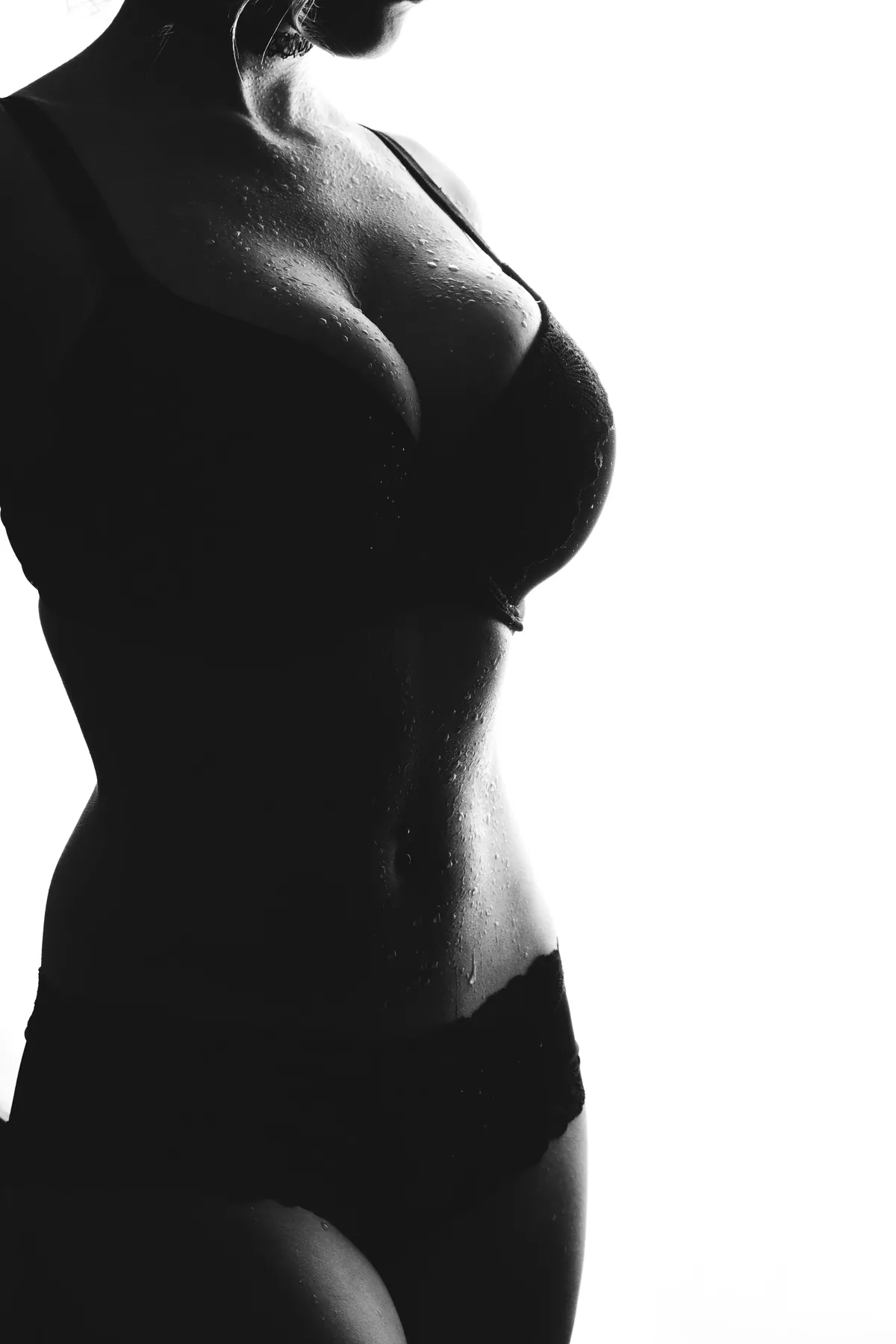
Hourglass proportions stay consistent across all sizes
What Defines an Hourglass Figure
When I first started learning about body shapes, I assumed hourglass was a specific look—something like Marilyn Monroe in her prime. Turns out I couldn't have been more wrong. The hourglass isn't about being thin or curvy or any particular size. It's about one simple thing: your bust and hips are roughly the same width, and your waist is noticeably narrower than both.
That understanding changed how I see body shape guides. If you're a size 4 with 34-26-36 measurements, you're an hourglass. If you're a size 20 with 48-37-48, you're also an hourglass. The numbers are completely different, but the relationship between them is the same.
This guide covers hourglass figure sizes in detail. I'll explain how the shape works across the full size spectrum, give you actual measurement ranges you can use, share styling strategies that account for different frames and heights, and address the fit challenges that come up most often. Whether you're shopping for petite sizes or plus, you'll find specific guidance here.
Not Sure Which Body Shape You Have?
Our free calculator analyzes your bust, waist, and hip measurements to determine your body shape and give you personalized styling recommendations.
The Three Defining Characteristics
- 1Bust and hips are balanced — Your bust and hip measurements fall within about 5% of each other. For example, a 36-inch bust and 37-inch hips would qualify.
- 2Waist is significantly smaller — Your waist measures at least 25% less than your bust or hips. This creates the defining "curvy" silhouette.
- 3Proportions stay consistent — The ratio, not the numbers, matters. An hourglass at size 4 has the same proportional relationships as an hourglass at size 18.
The Science Behind the Ratios
Fashion researchers study body shape using the waist-to-hip ratio (WHR). Research published in peer-reviewed journals shows that WHR around 0.70 correlates with the classic hourglass silhouette. Most women who identify as hourglass fall between 0.70 and 0.75 WHR.
A 2019 study from the University of Cambridge examined body shape distribution across thousands of women and found that roughly 8% displayed the hourglass pattern. The most common shape in that study was rectangular (about 46%), followed by spoon/pear shapes (20%), with inverted triangles making up about 14%.
This matters because it shows hourglass is relatively rare. If you have this body shape, you're part of a small majority.
Hourglass Figure Sizes: The Complete Measurement Chart
Here's where I see most guides fall short. They give you vague descriptions like "curvy" or "well-proportioned" without actual numbers to work with. I want you to leave this page knowing exactly where you stand.
These measurements represent ranges for each size category. Your specific numbers will vary based on your frame and height. The key metric is your waist-to-hip ratio, which should stay around 0.70-0.75 regardless of the other numbers.
| Size Range | Bust | Waist | Hips | WHR |
|---|---|---|---|---|
| XS (0-2) | 31-33" | 22-24" | 32-34" | ~0.70 |
| S (4-6) | 34-36" | 25-27" | 35-37" | ~0.72 |
| M (8-10) | 37-39" | 28-30" | 38-40" | ~0.73 |
| L (12-14) | 40-42" | 31-33" | 41-43" | ~0.74 |
| XL (16-18) | 43-45" | 34-36" | 44-46" | ~0.75 |
| 2XL (20-22) | 46-48" | 37-39" | 47-49" | ~0.75 |
| 3XL+ (24+) | 50-52" | 40-43" | 51-53" | ~0.76 |
Notice the WHR stays remarkably consistent across all sizes—between 0.70 and 0.76. That's the hallmark of an hourglass shape. The absolute numbers change, but the relationship between them doesn't.
If your measurements don't quite match these ranges, that's okay. Bodies don't fit neatly into boxes. Use this as a general guide, not a strict rule.
Hourglass at Every Size: What Changes and What Doesn't
Here's what surprises people: the actual fit challenges of being an hourglass don't really change based on size. The issues you face at size 6 are remarkably similar to those at size 16. The difference is in how clothing manufacturers scale their patterns.
Petite Hourglass (Under 5'4")
Petite hourglasses often struggle with clothing that's too long in the torso and legs, and junior's sizing running too young for their mature shape.
Your best strategy: Shop petite ranges but check the cut. Some petite clothes assume a straighter frame. Look for brands that offer curvy petite options.
Average Height Hourglass (5'4" to 5'7")
This is arguably the easiest size range for finding clothes. Most straight-sized patterns are designed for this height range, and the proportions tend to work well.
Your advantage: Focus on fit being excellent, not just "good enough." A tailor can make a $50 dress look custom-made.
Tall Hourglass (Over 5'7")
Tall hourglasses deal with rise being too short in pants, torso length that exceeds standard patterns, and shirts that won't stay tucked.
Your best strategy: Tall sizing from regular brands sometimes works better than plus-sizing from petite brands because you need the length but not the narrower frame.
Plus Size Hourglass (XL and Above)
Plus hourglasses face the most significant pattern challenges. Most plus-size patterns are drafted with broader shoulders and straighter waists than an hourglass actually has.
Your best strategy: Look for brands specifically marketed to curvy or hourglass shapes. Some retailers now offer plus sizes with proper curve placement.
How to Measure Yourself Correctly
Before you can determine if you're an hourglass, you need accurate measurements. Here's how to do it right:
The Measurement Process
Bust: Measure around the fullest part of your chest, keeping the tape parallel to the floor. Don't pull tight or hold your breath. Relax.
Waist: Find the narrowest part of your torso—usually about an inch above your belly button. This is your natural waist. Measure around this point.
Hips: Stand with your feet together and measure around the fullest part of your hips and buttocks. This is usually 7-9 inches below your natural waist.
The Hourglass Test
Divide your waist measurement by your hip measurement. If the result is between 0.70 and 0.76, you have an hourglass WHR. You can also compare your bust and hip measurements—if they're within 5% of each other, that confirms the shape.
For example, if your bust is 38", your hips should be between 36" and 40" to qualify as balanced. If your waist is 29", that gives you a WHR of 29/38 = 0.76, which falls within the hourglass range.
Do's and Don'ts for Hourglass Figures
Do:
Define your waist — This is your signature. Cinched waists, belts, fitted tops, wrap dresses—all of these celebrate your proportions.
Invest in a good bra — Your balanced proportions mean you carry your bust weight evenly, but that only works if your foundation is right.
Choose fitted clothes — Not tight, but shaped to follow your curves. Fitted clothes on an hourglass look intentional.
Show off your curves in structured pieces — A well-cut blazer on an hourglass does more for your figure than almost any other garment.
Use color strategically — Darker colors minimize, lighter colors highlight. Put darker shades on your larger areas and brighter colors on your waist.
Don't:
Hide in oversized clothing — Your figure will look lost in shapeless clothes. Even if you're self-conscious about your curves, hiding them doesn't actually hide them.
Wear straight cuts — Boxy shirts with straight pants create a column with no shape. This isn't flattering; it's just shapeless.
Choose clothes that gap at the waist — This is the most common hourglass fit problem. If a piece doesn't sit at your waist properly, it will gap or bulge. Alter it or return it.
Layer excessively — Too many layers add bulk. Let your natural shape come through.
Forget about support — Unsupported curves look different than supported ones. Underwear and bras matter more than people admit.
Common Fit Challenges and Solutions
The Waist Gap Problem
Jeans or pants that gap at the waist while fitting your hips is the number one complaint from hourglasses. This happens because most patterns assume a straighter waist-hip relationship.
Solutions:
- • Look for "curvy fit" or "hourglass fit" jeans—several brands now offer these
- • Try high-waisted styles that sit at your actual waist
- • Get waistbands altered—it's inexpensive and transformative
- • Use extenders as a temporary fix
The Bust Gape
Shirts that fit your shoulders and bust but billow at the waist usually mean the pattern wasn't drafted for your proportions.
Solutions:
- • Princess seams accommodate curves better than darts
- • Stretch fabrics adapt to your shape better than woven
- • Layer with a cami to fill gaps
- • Size up at the bust and have the waist taken in
The Dress Fit Problem
Dresses that fit your bust and hips but look like a sack at the waist need help.
Solutions:
- • Add a belt or sash at your natural waist
- • Choose wrap styles that adjust to your proportions
- • Look for dresses specifically cut for hourglass
- • Consider tailor-made or custom options for special occasions
Celebrity Hourglass Examples
Looking at celebrities who share our body shape helps normalize different sizes and prove that hourglass comes in many forms.
Marilyn Monroe
Size 12-14, classic hourglass with 36-22-34 measurements
Sofia Vergara
Plus size hourglass demonstrating curvy proportions
Christina Hendricks
Famous hourglass at a plus size
Salma Hayek
Classic hourglass proportions
Kim Kardashian
Contemporary dramatic hourglass
Scarlett Johansson
Well-known hourglass figure
The common thread among all these women isn't their size—it's that they dress for their proportions. They all show waists, wear fitted clothes, and avoid shapeless styles.
Frequently Asked Questions
Can you be an hourglass at any size?
Absolutely. Hourglass is determined by proportions, not size. Whether you're a size 2 or a size 24, if your waist is significantly smaller than your bust and hips, and your bust and hips are balanced, you have an hourglass figure.
What size is considered hourglass?
There's no specific size for hourglass. A size 4 with 34-26-36 measurements is hourglass, just as a size 18 with 46-35-46 is hourglass. The key is the proportional relationship between your measurements, not the numbers themselves.
Does the hourglass ratio change with height?
Height doesn't directly affect your waist-to-hip ratio. A 5'2" woman and a 5'8" woman can both have 0.73 WHRs and both be hourglasses. Height affects how clothes fit but the underlying ratio stays the same.
What measurements indicate an hourglass figure?
A waist-to-hip ratio between 0.70 and 0.76 defines the hourglass shape. For practical purposes, your bust and hips should be within 5% of each other, and your waist should be at least 25% smaller than both.
How do you style an hourglass figure for different occasions?
For casual wear, show off your waist with fitted tees and high-waisted jeans. For work, tailored blazers and wrap dresses celebrate your proportions. For formal events, fit-and-flare gowns and defined waistlines create stunning looks.
Is plus size hourglass different from regular hourglass?
The proportions are the same. Plus size hourglass still means balanced bust and hips with a smaller waist. The difference is in how clothing is scaled. Plus-size hourglasses often need curvier pattern adjustments.
What's the best clothing style for hourglass figures?
Wrap dresses and styles that cinch at the waist work beautifully for hourglasses. Fitted silhouettes, belted coats, and pieces that show off your natural waistline are your best choices. Avoid shapeless or boxy clothing.
How rare is the hourglass body shape?
Research from the University of Cambridge found roughly 8% of women display the hourglass pattern. It's one of the rarer body shapes, with rectangular (46%) and spoon/pear (20%) being more common.
Your Hourglass, Your Style
Here's what I want you to take away from this guide: Your hourglass figure isn't defined by what size you wear or what numbers you see on a tag. It's defined by a proportional relationship that exists in your skeleton and soft tissue. That relationship stays consistent from your teenage years to your sixties, even as your overall size changes.
The fashion industry has historically done a poor job of serving hourglass shapes, especially at the extremes—very small or very large sizes. But things are improving. More brands now offer curvy cuts, and shopping online gives you access to brands that specialize in your proportions.
Your best next step? Measure yourself accurately using the guide above. Then use our free Body Shape Calculator to confirm what you've calculated. Once you know your shape for certain, you can shop with confidence, knowing what cuts and styles will work for your specific frame.
Body shape is one of the most personal aspects of fashion. Your hourglass is yours—now go dress it.
Discover Your Body Shape
Use our free body shape calculator to determine your exact shape and get personalized styling recommendations based on your measurements.