Can You Change Your Body Shape? Science-Backed Guide
Can you change your body shape? Learn what you can and cannot change about your body type, plus science-backed strategies to optimize your natural frame through exercise, nutrition, and lifestyle.
Quick Answer
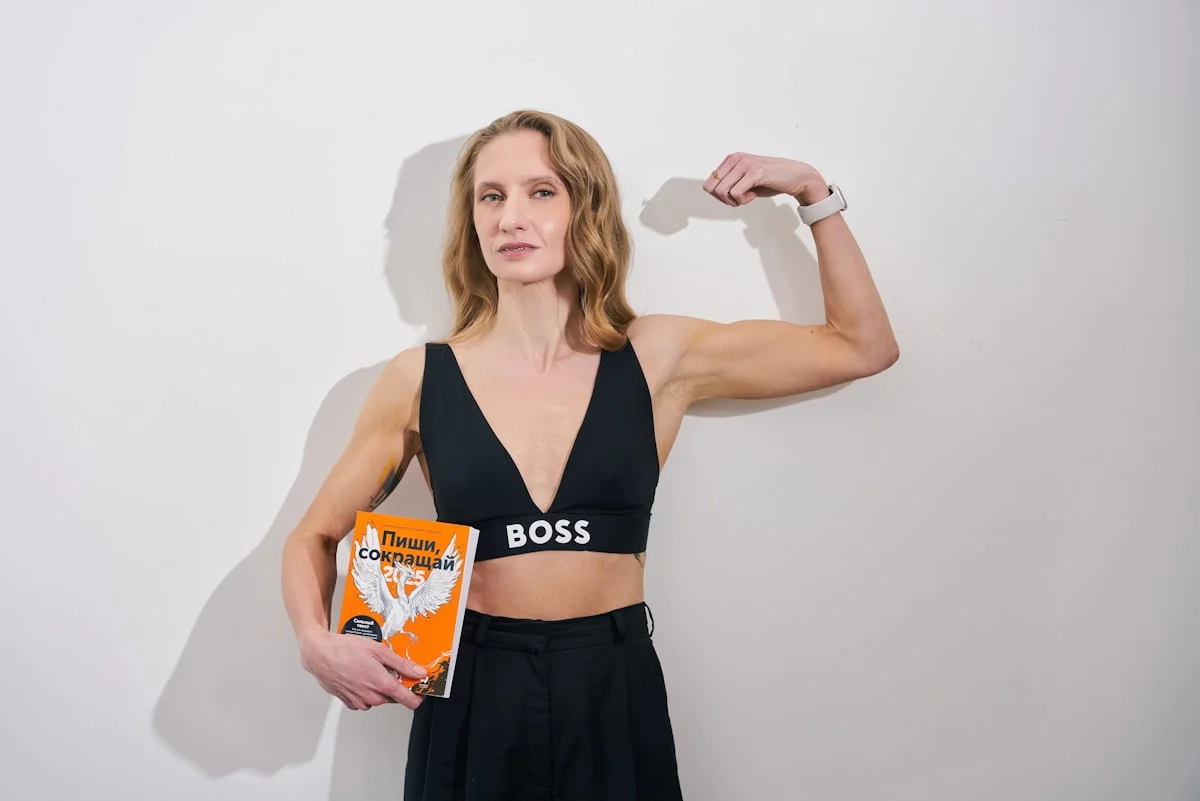
No, you cannot fundamentally change your bone structure or genetic body type. Your skeletal frame—including shoulder width, hip width, and rib cage size—is determined by genetics. However, you CAN alter your appearance through muscle building, fat loss, and posture improvement. Exercise and nutrition can significantly change your silhouette within your genetic potential.
Can you change your body shape? This question comes up constantly in fitness forums, fashion magazines, and late-night conversations about body image. The truth sits somewhere between "completely" and "not at all"—and understanding exactly where that line falls can change how you approach your health, fitness, and personal style.
Research suggests 70-80% of your body shape is genetic. Your bone structure, where you tend to store fat, and your natural muscle distribution were largely determined before you were born. Yet millions of people start fitness journeys hoping to completely transform their physique, while others feel stuck with a shape they do not love, believing nothing can change.
Both perspectives miss the point. While you cannot alter your fundamental skeletal structure, you have real power to enhance, balance, and optimize your natural shape. Through strategic exercise, thoughtful nutrition, and intelligent styling choices, you can create significant changes in how you look and feel—without fighting your genetics.
This guide covers the science of body transformation. You will learn what aspects of your shape are fixed, which ones are flexible, and exactly how to work with your natural body type to become the strongest, most confident version of yourself.
What You CAN Change About Your Body
Muscle Mass and Definition
Your muscles are your most malleable tissue. Through consistent resistance training, you can build muscle in specific areas to create visual balance and enhance your natural proportions. This is not about becoming a bodybuilder—it is about strategic sculpting that complements your frame.
Women often worry that lifting weights will make them "bulkly." Here is the reality: women have approximately 10% of the testosterone that men do, making significant muscle gain without pharmaceutical assistance nearly impossible. What resistance training actually does is create definition, improve metabolic health, and allow you to shape specific areas.
Progressive overload—the gradual increase of stress placed on your body during training—requires 8-12 weeks for visible changes. Patience and consistency matter more than intensity.
Body Fat Percentage and Distribution
While you cannot control where your body preferentially stores fat (that is genetic), you can influence overall body fat percentage through nutrition and exercise. This matters because even a 5-10% change in body fat can dramatically alter your appearance.
Different body shapes respond to fat loss differently:
- •Apple shapes tend to lose weight from their upper body first
- •Pear shapes often see lower body changes more gradually
- •Hourglass shapes typically maintain their ratio while getting leaner
- •Rectangle shapes may see more dramatic waist definition
- •Inverted triangles often achieve better balance as body fat decreases
Posture and Alignment
Poor posture can make you look heavier, shorter, and less confident than you actually are. Forward head posture, rounded shoulders, and anterior pelvic tilt distort your natural shape and can even cause pain.
The good news? Posture is highly trainable. Through targeted exercises that strengthen your posterior chain—think rows, deadlifts, and core stabilization work—you can appear taller, create the illusion of a leaner waist, reduce the appearance of a protruding belly, and project confidence through open body language.
Yoga and Pilates are particularly effective for posture improvement, as they emphasize spinal alignment and core engagement. Even 10 minutes daily can create noticeable changes within weeks.
Styling and Proportions
How you dress significantly impacts how your body shape is perceived. Strategic styling does not mean making anything disappear—it means celebrating your favorite features and creating visual harmony.
Understanding your body shape allows you to choose necklines that elongate or balance your upper body, select waist placements that complement your natural proportions, pick silhouettes that create the lines you love, and use color, pattern, and texture to draw attention where you want it.
Our Body Shape Calculator helps you identify your exact type and provides personalized recommendations for your unique frame.
What You CANNOT Change About Your Body
Bone Structure and Skeletal Frame
Your bones provide the architectural blueprint for your body. Shoulder width, hip width, rib cage circumference, and limb length are determined by genetics and remain constant throughout adulthood. No exercise, diet, or supplement can alter these fundamental measurements.
This means:
- •A broad-shouldered person cannot narrow their bone structure
- •Someone with wide hips cannot reduce their pelvic width
- •Your height is fixed (outside of minor variations from posture)
- •Rib cage size determines minimum waist circumference
Understanding these limitations is liberating. It shifts focus from impossible goals to achievable enhancements.
Height and Limb Proportions
Your height is determined by genetics and sealed once your growth plates close, typically in your late teens or early twenties. While spinal decompression techniques and better posture can help you reach your full genetic height, you cannot add inches beyond what your DNA dictates.
Limb proportions—whether you have long legs relative to your torso, or long arms relative to your height—are similarly fixed. These proportions significantly influence how clothing fits and which exercises feel natural, but they are part of your unique genetic signature.
Fat Distribution Patterns
Where your body stores fat is primarily genetic, influenced by hormones and evolutionary biology. Some people naturally store fat in their midsection (android pattern), while others store it in their hips and thighs (gynecoid pattern). These patterns are remarkably resistant to change.
You might reduce overall body fat, but your body will still pull from its preferred areas first and hold onto them longest. This is why "spot reduction" does not work—your body decides where to lose fat, not you.
Body Type Classification
Your somatotype—whether you are naturally ectomorphic, mesomorphic, or endomorphic—represents your body's baseline tendency. While you can move within your type through lifestyle changes, you cannot completely transform from one category to another. An ectomorph will never be a true endomorph, and vice versa. However, an ectomorph can build significant muscle, and an endomorph can achieve leanness.
Understanding Body Types: The Somatotype System
In the 1940s, psychologist William Sheldon proposed classifying bodies into three primary types based on skeletal frame and body composition tendencies. While modern science has refined this system, it remains useful for understanding your genetic starting point.
Ectomorph: The Linear Type
Characteristics: Narrow shoulders and hips, thin limbs, minimal body fat, difficulty gaining weight
Ectomorphs have fast metabolisms and often struggle to build muscle. They typically have smaller joints, longer limbs relative to their torso, and find it challenging to gain weight.
Training approach: Focus on compound movements with heavy weights and lower reps (6-10). Limit cardio to preserve calories for muscle building.
Nutrition focus: Caloric surplus is essential. Ectomorphs often need 500+ calories above maintenance. Protein at 2.0-2.2g per kg.
Mesomorph: The Athletic Type
Characteristics: Broad shoulders, narrow waist, naturally muscular, gains and loses weight easily
Mesomorphs won the genetic lottery when it comes to physique changes. They build muscle quickly, respond well to training, and can achieve visible definition with reasonable effort.
Training approach: Mesomorphs respond well to varied training protocols and can successfully pursue body recomposition.
Nutrition focus: Focus on nutrient timing—eating carbohydrates around workouts and protein at 1.6-2.0g per kg.
Endomorph: The Curvy Type
Characteristics: Rounder physique, wider hips and waist, tendency to store body fat, strong muscle-building potential
Endomorphs often feel frustrated by their tendency to gain weight, but they possess advantages: they build muscle easily, have strong bones, and can achieve impressive strength.
Training approach: Combination of resistance training and regular cardio. Circuit training and metabolic conditioning work well.
Nutrition focus: Endomorphs benefit from moderate carb intake with higher protein and healthy fats. Caloric awareness matters.
Mixed Types
Most people are not pure types but combinations. You might be an ecto-mesomorph (naturally lean but with good muscle potential) or a meso-endomorph (muscular but with higher body fat tendency). Understanding your unique blend helps you set realistic expectations.
How Exercise Affects Each Body Shape
Apple Body Shape
Characteristics: Broader shoulders, fuller midsection, slimmer hips and legs
Apple shapes benefit enormously from resistance training that builds their naturally slimmer lower body. Squats, lunges, and deadlifts add curves to hips and thighs while creating metabolic demand that helps reduce abdominal fat. Core work should emphasize stabilization (planks, Pallof presses) rather than crunches, which can thicken the waist.
Best exercises: Squats, deadlifts, lunges, planks, hip thrusts
Pear Body Shape
Characteristics: Narrower shoulders, wider hips and thighs, defined waist
Pears often want to "fix" their lower bodies, but the real opportunity lies in building the upper body. Shoulder presses, pull-ups, and chest work create width that balances wider hips. Rather than trying to slim thighs through excessive cardio, pears should embrace lower body strength training.
Best exercises: Shoulder presses, rows, pull-ups, lateral raises
Rectangle Body Shape
Characteristics: Similar shoulder and hip width, less defined waist, straight silhouette
Rectangles have the most flexibility in creating curves through muscle development. Targeted oblique work (woodchoppers, side planks) creates waist definition, while lateral raises and hip abduction exercises add width to shoulders and hips respectively.
Best exercises: Shoulder presses, lateral raises, oblique work, hip thrusts
Hourglass Body Shape
Characteristics: Balanced shoulders and hips, defined waist, proportional curves
Hourglass shapes should train for overall fitness rather than dramatic transformation. The goal is enhancing what is already there—maintaining the waist definition while building strength evenly. Excessive oblique work can thicken the waist.
Best exercises: Full-body workouts, balanced strength training, core stabilization
Inverted Triangle Body Shape
Characteristics: Broader shoulders, narrower hips, athletic build
Inverted triangles benefit most from lower-body-focused training. Building the glutes, hips, and thighs creates balance with naturally broad shoulders. Heavy glute and leg work creates more proportional appearance.
Best exercises: Heavy squats, lunges, hip thrusts, leg presses
Specific Exercises to Change Your Appearance
For Better Posture and Taller Appearance
- •Wall angels: Strengthen upper back muscles that hold you upright
- •Face pulls: Combat forward shoulder posture from desk work
- •Dead bugs: Build deep core stability for spinal alignment
- •Chin tucks: Correct forward head posture
For Creating Curves
- •Hip thrusts: Single best exercise for glute development
- •Lateral raises: Develop shoulder width for smaller waist illusion
- •Cable pull-throughs: Build glute-hamstring tie-in for curved lines
- •Russian twists: Define the waist without excessive thickening
For Overall Body Recomposition
- •Squats: King of lower body exercises—builds muscle and burns calories
- •Push-ups: Upper body strength without equipment
- •Rows: Improve posture and create back definition
- •Planks: Core strength supports every other movement
The Role of Nutrition in Shaping Your Body
Exercise creates the stimulus for change, but nutrition provides the building materials. You cannot out-train a poor diet, and you cannot build muscle without adequate protein.
Protein: The Muscle-Building Nutrient
Research consistently shows that protein intake of 1.6-2.2 grams per kilogram of bodyweight optimizes muscle protein synthesis. For a 70kg woman, that is 112-154 grams of protein daily.
Quality protein sources include:
- •Lean meats and poultry
- •Fish and seafood
- •Eggs and dairy
- •Legumes and tofu
Distribute protein evenly across meals (25-40g per meal) for optimal utilization.
Caloric Balance and Body Composition
To build muscle, you need a slight caloric surplus (200-300 calories above maintenance). To lose fat, you need a deficit (300-500 calories below maintenance).
Most people benefit from spending 8-12 weeks in a muscle-building phase, followed by 4-6 weeks of fat loss. This cyclical approach prevents metabolic adaptation.
Hydration and Micronutrients
Water matters for appearance—dehydration makes skin look dull and can cause water retention that masks muscle definition. Aim for 2-3 liters daily. Vitamins and minerals support metabolic processes; some people benefit from vitamin D, magnesium, and omega-3 supplementation.
Life Events That Change Body Shape
While your bone structure remains constant, several life events can significantly alter your body's appearance:
Puberty and Development
The transition from child to adult body involves dramatic hormonal changes that distribute fat and build muscle in gender-specific patterns. This is when body shapes become distinct.
Pregnancy and Postpartum
Pregnancy temporarily and sometimes permanently changes body shape. The hormone relaxin loosens ligaments, the rib cage expands, and the abdominal wall stretches. Postpartum fitness should focus on rebuilding core strength before aggressive fat loss.
Menopause and Aging
Declining estrogen during perimenopause often shifts fat storage from hips to the abdominal area. Simultaneously, muscle mass naturally declines unless maintained through resistance training.
Significant Weight Changes
Gaining or losing substantial weight can alter your shape. Gradual changes (0.5-1% of body weight per week) preserve muscle and allow skin to adapt.
Common Myths Debunked
Myth: Spot Reduction Works
Reality: Fat loss occurs systemically, not locally. Doing crunches will not specifically burn belly fat. Your body pulls fuel from everywhere, not just the area being exercised. Overall fat loss through caloric deficit eventually reduces fat from all areas.
Myth: Women Get Bulky From Lifting Weights
Reality: Women lack the hormonal profile (testosterone) to build large muscles accidentally. Most women who lift weights become smaller, as muscle takes up less space than fat at equal weights. They look "toned" because muscle becomes visible as body fat decreases.
Myth: You Can Change Your Bone Structure Through Exercise
Reality: Bone structure is fixed in adulthood. Exercise affects muscle and fat, not bone. Build muscle around your skeletal structure to create different visual proportions, but work within your genetic framework.
Myth: Cardio Is the Only Way to Change Your Shape
Reality: Excessive cardio without resistance training often creates a smaller version of the same shape. Prioritize resistance training for shape change, using cardio for cardiovascular health when needed.
Key Takeaways
- ✓70-80% of your body shape is genetic—bone structure, height, and fat distribution patterns are fixed
- ✓You CAN change muscle mass, body fat percentage, and posture to significantly alter your appearance
- ✓Progressive overload training requires 8-12 weeks for visible changes—patience is essential
- ✓Protein intake of 1.6-2.2g per kg bodyweight supports muscle building
- ✓Spot reduction is impossible—fat loss happens systemically
- ✓Women cannot get "bulkly" accidentally—resistance training creates definition
- ✓Working WITH your body type produces better results than fighting it
Frequently Asked Questions
Can you change your body shape through exercise alone?
Exercise can significantly alter your appearance by building muscle, reducing body fat, and improving posture. However, you cannot change your fundamental bone structure or genetic body type. Exercise works within your genetic potential to optimize what you have. For best results, combine resistance training, appropriate cardio, and nutrition strategies tailored to your body type.
How long does it take to see changes in your body shape?
Visible changes typically require 8-12 weeks of consistent effort, though this varies by individual and goal. Beginners often see faster initial changes due to "newbie gains," while experienced trainees may need longer for noticeable differences. Body recomposition (building muscle while losing fat) is slower than pursuing either goal separately but creates more sustainable shape changes.
Can you go from apple to hourglass body shape?
You cannot completely transform from one body shape to another because bone structure determines your fundamental type. However, apples can create more defined waists through core training and fat loss, while building lower body curves through targeted glute and thigh work. The result is a more balanced silhouette that celebrates your natural structure while optimizing proportions.
What is the best exercise for my body shape?
The best exercise depends on your specific goals and current shape: Apples benefit from lower body focus (squats, lunges, deadlifts) with moderate cardio. Pears should prioritize upper body development (shoulder presses, rows) with lower body strength training. Rectangles need full-body muscle building with core definition work. Hourglasses do best with balanced full-body training maintaining proportions. Inverted triangles should emphasize lower body work (hip thrusts, leg presses) with maintenance upper body work.
Does diet or exercise matter more for changing your body shape?
Both are essential, but they serve different functions. Exercise provides the stimulus for muscle growth and metabolic adaptation. Nutrition provides the building blocks and energy for those changes. You cannot build muscle without adequate protein, and you cannot lose fat without a caloric deficit. For optimal shape change, prioritize resistance training while eating sufficient protein and managing overall calories.
Can waist training permanently change your body shape?
Waist training with corsets can temporarily compress the floating ribs (the lower ribs that are not attached to the sternum), creating a smaller waist while the corset is worn. However, this effect is not permanent—ribs return to position when corset use stops. Prolonged, extreme waist training can cause health issues including organ compression, breathing difficulties, and muscle atrophy. It is not a recommended method for body shape change.
Will my body shape change after menopause?
Many women experience shape changes during perimenopause and menopause due to declining estrogen levels. Fat storage often shifts from hips and thighs to the abdominal area, creating more of an apple shape. Simultaneously, muscle mass declines without intervention. However, these changes can be minimized through consistent resistance training, adequate protein intake (1.6-2.2g per kg bodyweight), and maintaining a healthy weight.
Can body shape change with age?
Yes, body shape naturally changes with age due to hormonal shifts, muscle loss (sarcopenia), and lifestyle factors. Most people lose muscle and gain fat after age 30 unless actively training. Posture often deteriorates, making people appear shorter and heavier. However, these changes are largely preventable through regular resistance training, proper nutrition, and staying active. Many people in their 60s, 70s, and beyond maintain impressive physiques through consistent effort.
Is it possible to have a combination body shape?
Absolutely. Pure body shapes are rare—most people have characteristics of two types. You might be a pear-rectangle with slightly wider hips but minimal waist definition, or an hourglass-apple with balanced shoulders and hips but some midsection fullness. Understanding your unique combination helps you set realistic goals and choose the most effective strategies.
How do I know which body shape exercise program is right for me?
Start by accurately determining your body shape using measurements rather than mirror assessment. Our Body Shape Calculator provides objective classification based on shoulder, waist, and hip measurements. Once you know your type, choose programs that emphasize your goals—whether that is building curves, creating balance, or enhancing your natural proportions. Consider working with a trainer who understands body type differences for personalized programming.
Embrace Your Shape, Maximize Your Potential
Can you change your body shape? The honest answer is both yes and no. You cannot alter your bone structure or transform from one fundamental type to another. However, within your genetic blueprint lies enormous potential for enhancement and balance.
Ready to discover your exact body shape and get personalized recommendations? Try our free Body Shape Calculator and explore our comprehensive body shape guides for strategies tailored to your type.