Cocktail Attire Dress Code Guide (2026)
Cocktail attire is a semi-formal dress code for evening events like parties, fundraisers, and wedding receptions. It sits between business casual and black tie, giving you room for glamour and personal style while keeping things polished. The dress code dates back to 1920s America, when the cocktail hour became a regular social event and people needed something dressier than daywear but less formal than a full evening gown.
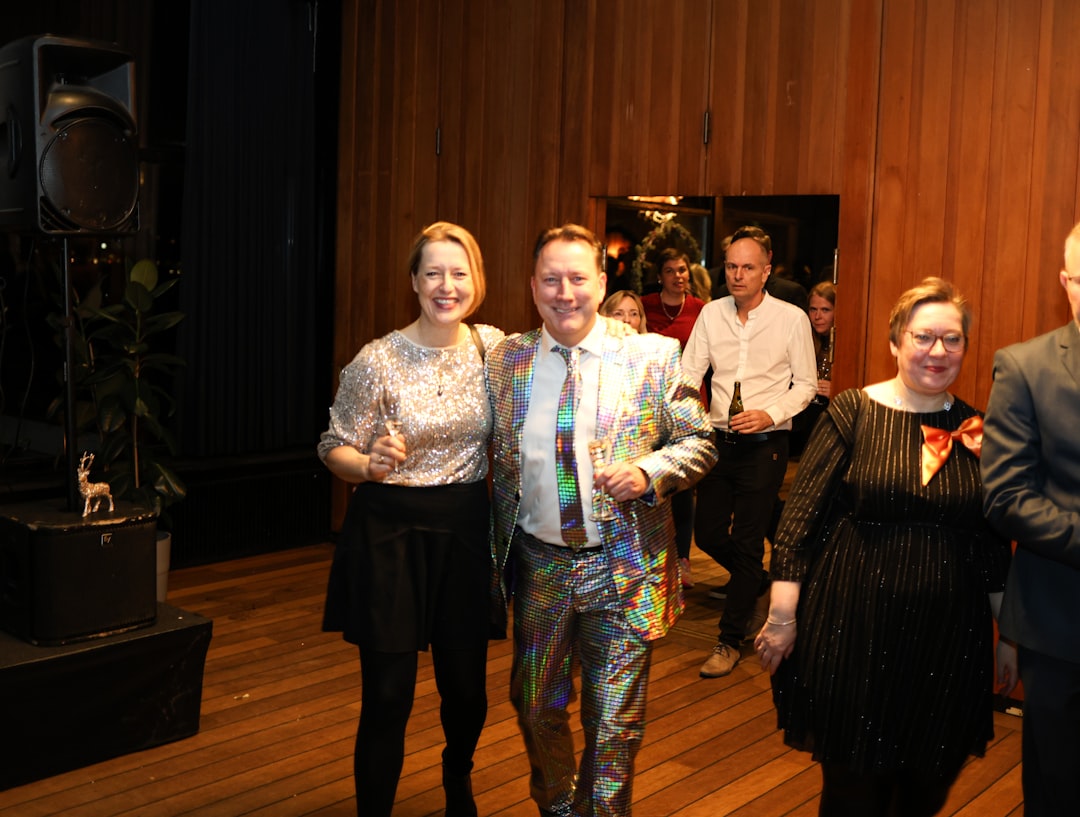
Cocktail Attire cocktail attire is a semi-formal dress code for evening events like parties, fundraisers, and wedding receptions. It sits between business casual and black tie, giving you room for glamour and personal style while keeping things polished. The dress code dates back to 1920s America, when the cocktail hour became a regular social event and people needed something dressier than daywear but less formal than a full evening gown. Not sure what to wear? Our free Dress Code Decoder helps you decode any dress code in seconds.
When to Wear Cocktail Attire
Cocktail Attire for Women
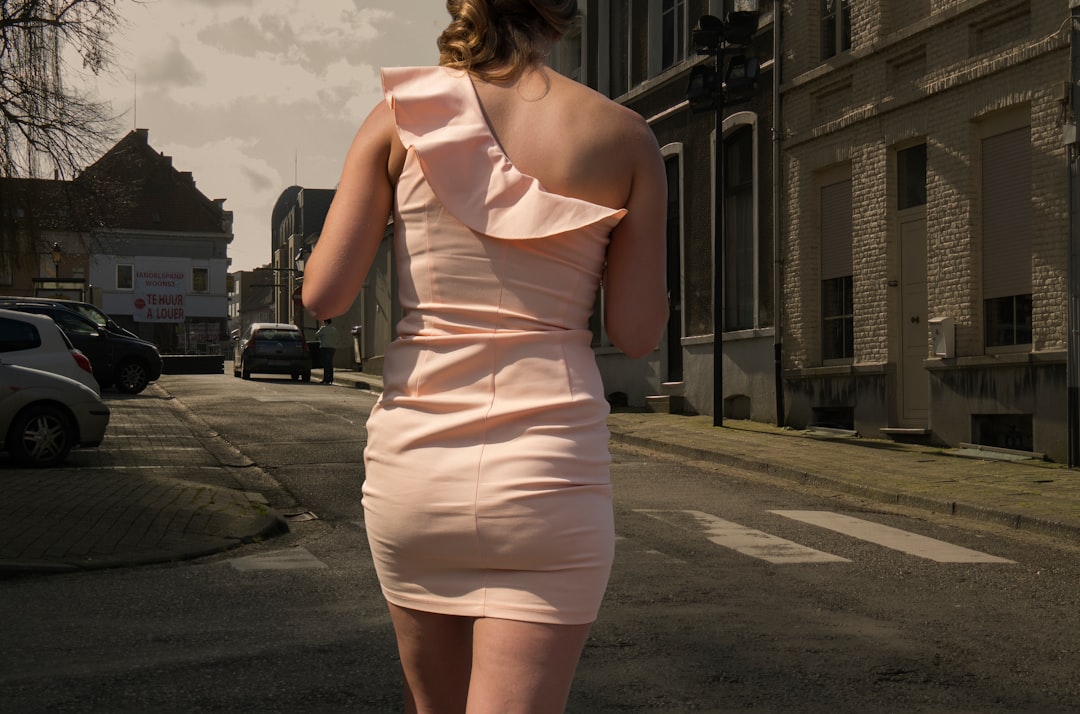
Essential Pieces
- Little black dress (LBD)
- Cocktail dress (knee to midi length)
- Dressy jumpsuit
- Elegant separates (silk top with tailored pants)
- Midi or tea-length dress
Recommended Shoes
- Heels or stilettos
- Strappy sandals
- Embellished flats
- Dressy ankle boots
- Satin or velvet shoes
Accessories
- Statement earrings
- Clutch purse
- Elegant watch
- Sparkly jewelry
- Evening wrap or shawl
Avoid
- Floor-length gowns (too formal)
- Casual sundresses
- Jeans
- Flip flops or casual sandals
- Office wear
- Mini skirts that are too short
Cocktail Attire for Men
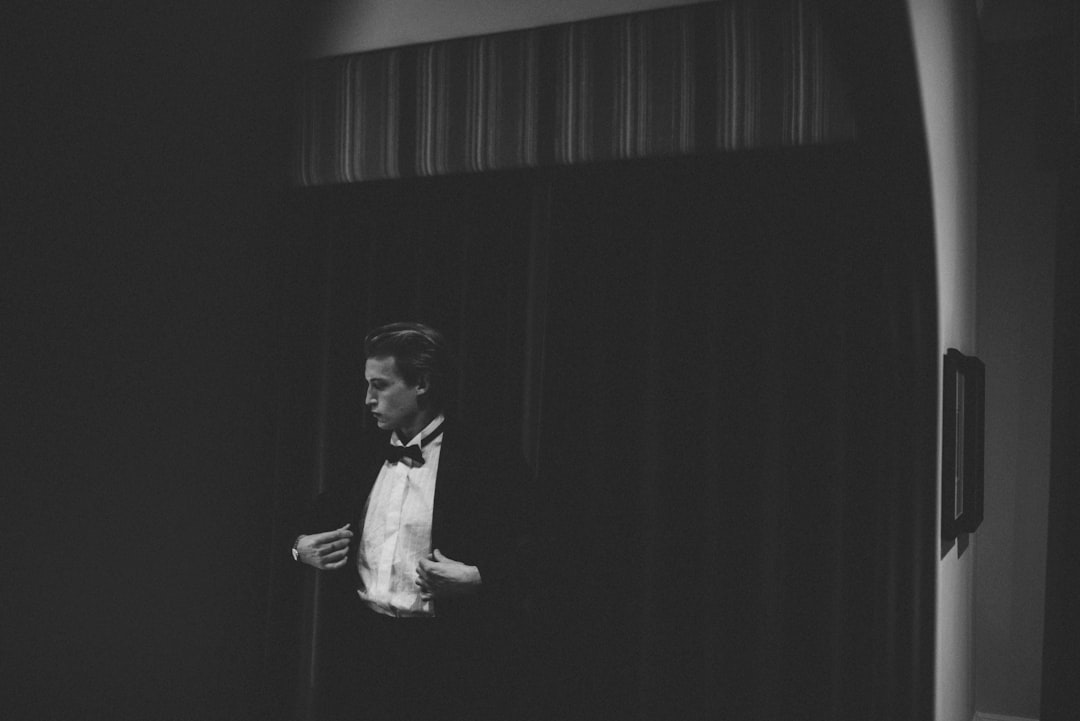
Essential Pieces
- Dark suit (navy, charcoal, or black)
- Dress shirt (can skip the tie)
- Sport coat with dress pants
- Velvet blazer for festive events
Recommended Shoes
- Oxford dress shoes
- Polished loafers
- Monk strap shoes
- Chelsea boots (dressy)
Accessories
- Silk tie or bow tie (optional)
- Pocket square
- Watch
- Cufflinks
Avoid
- Tuxedo (too formal)
- Jeans
- Casual shoes or sneakers
- T-shirts
- Khakis
Pro Tips for Cocktail Attire
- The classic cocktail dress length is knee to midi. Anything above mid-thigh is too short; anything floor-length is too formal.
- Sparkle and metallic fabrics are welcome at evening events. Keep the rest of your outfit simple if the dress has heavy embellishment.
- Dark colors (black, navy, charcoal) are the safest bet when you are unsure. Bold colors make a stronger impression if you know the venue and crowd.
- Men can skip the tie for most cocktail events. An open-collar dress shirt with a pocket square looks polished without being overdone.
- Always factor in the venue. Wedge or block heels for outdoor events on grass. Stilettos for indoor ballroom events. Breathable fabrics for summer rooftops.
- If you are between two options and one feels too casual, go with the dressier choice. Being slightly overdressed at a cocktail event is always better than underdressed.
- Bring a wrap, shawl, or light jacket. Evening events get cold, especially in air-conditioned venues or outdoor settings after sundown.
How to Dress Cocktail Attire
Cocktail attire is your chance to dress up without going full formal. For women, that usually means a knee-length or midi cocktail dress, a dressy jumpsuit, or a put-together separates combination like a silk top with tailored trousers. For men, a dark suit without a tie or a blazer with well-fitted dress pants works well. You have real room for personal style here, so do not be afraid of color, texture, or a statement accessory.
The cocktail dress code traces its roots to 1920s America. As the cocktail hour became a regular fixture of social life, people needed an outfit that could bridge the gap between afternoon clothes and a formal evening gown. Coco Chanel's Little Black Dress, first featured in Vogue in 1926, became the template for what we now call the cocktail dress. Nearly a century later, the LBD is still the safest option if you are unsure what to wear.
One thing people get wrong about cocktail attire is thinking it has to be conservative. It does not. Bold colors, interesting textures like velvet or sequins, and eye-catching jewelry are all fair game. The line you want to avoid crossing is into black-tie territory: leave the floor-length gowns and tuxedos at home. Think polished and put-together, not stiff.
Venue matters more than most people realize. A rooftop summer party calls for lighter fabrics and brighter colors. A winter hotel event suits darker tones and heavier textures like wool crepe or velvet. When the invitation says "cocktail attire" but gives you no other context, a knee-length dress in a dark color (women) or a navy suit with no tie (men) will get you through almost any situation.
Seasonal Cocktail Attire Guide
Summer Events
For summer cocktail events, go with lighter fabrics that breathe. Chiffon, lightweight silk, and cotton-blend dresses keep you comfortable when temperatures climb. Colors can go brighter here: coral, turquoise, soft yellow, or blush pink all work. Floral prints are also a good option for daytime-to-evening summer events. Men can switch from a full dark suit to a lighter-colored blazer with navy or charcoal trousers. Choose block heels or wedges over stilettos if the event is outdoors; sinking into grass is nobody's idea of a good time. Keep accessories minimal to avoid overheating, and carry a lightweight wrap for air-conditioned venues.
Winter Events
Winter cocktail events give you room for richer textures and deeper colors. Velvet cocktail dresses, heavy silk, and wool-crepe separates all feel right for cold-weather events. Jewel tones work especially well: emerald, burgundy, sapphire blue, and deep plum photograph beautifully under evening lighting. Sequins and metallic fabrics are appropriate for holiday parties and New Year's Eve. Men can wear heavier wool suits in charcoal or navy, and a velvet blazer is a strong option for festive events. Layer with a tailored coat, a faux-fur wrap, or an elegant shawl. Closed-toe shoes and opaque tights are practical without looking too casual.
Color Guide for Cocktail Attire
The safest cocktail attire colors are black, navy, charcoal, and burgundy. You really cannot go wrong with any of these, and a black cocktail dress has been the default choice since Coco Chanel made it famous in 1926. That said, you do not have to play it safe.
For spring and summer events, lighter shades work well: blush, lavender, sage green, soft blue, and champagne. Jewel tones like emerald, sapphire, and ruby are strong year-round picks, especially for evening events where richer colors look better under low lighting.
If the cocktail event is a wedding, avoid white, ivory, or anything that could be mistaken for bridal. Also check whether the couple has mentioned wedding party colors on the invitation or website, and steer clear of those. For men, a navy or charcoal suit is the standard. Black suits work for evening events, and a dark burgundy or forest green blazer can add personality without going overboard.
One color rule worth following: match the color intensity to the event formality. A bright fuchsia dress is great for a birthday cocktail party. It is less appropriate for a corporate fundraiser. Read the room.
Best Fabrics for Cocktail Attire Events
Fabric is what separates a cocktail outfit from something you would wear to the office. The same silhouette in cotton reads as daywear; in silk or crepe, it reads as evening. That distinction matters.
The best year-round fabrics for cocktail attire are silk, crepe, satin, and stretch jersey. These drape well, move with you, and look polished under evening lighting. For summer events, add chiffon, organza, and lightweight linen blends to the list. Winter calls for velvet, brocade, wool crepe, and heavy silk.
Sequins, beading, and metallic fabrics are appropriate for cocktail events, especially holiday parties and evening celebrations. Just keep the rest of the outfit simple if your dress has a lot of embellishment. A heavily sequined dress with statement earrings and a metallic clutch is too much at once.
Fabrics to avoid: casual cotton, denim, jersey that is too thin, and anything that wrinkles easily. If your outfit looks like it came straight from a washing machine after 20 minutes of wearing it, the fabric is wrong for the occasion.
Cocktail Attire for Your Body Shape
Every body shape can look and feel amazing in cocktail attire attire. Find tips tailored to your proportions.
Hourglass Shape
Fitted cocktail dresses that follow your curves are ideal. Wrap-style dresses and belted jumpsuits highlight your natural waist.
Pear Shape
A-line cocktail dresses skim over hips gracefully. Embellished necklines and statement earrings draw focus upward.
Apple Shape
Empire-waist dresses and fit-and-flare silhouettes work beautifully with your shape. V-necklines draw the eye vertically and create a flowing line through the body.
Rectangle Shape
Peplum dresses and ruched waist details create dimension. Textured fabrics and asymmetric hems add visual interest.
Inverted Triangle Shape
Halter necklines and strapless dresses with full skirts balance broad shoulders. Choose dresses that add volume below the waist.
Common Mistakes to Avoid
- Wearing a floor-length gown to a cocktail event (save that for black tie)
- Dressing too casually in office wear or day clothes
- Ignoring the venue type: stilettos on a grassy garden, heavy velvet at an outdoor summer party
- Wearing white, cream, or ivory to a wedding reception with cocktail attire
- Stacking too many statement pieces at once (pick one focal point: earrings OR necklace OR bracelet)
- Choosing shoes you cannot walk or stand in comfortably for 3+ hours
- Forgetting a wrap or jacket for outdoor or air-conditioned evening events
Cocktail Attire vs Semi-Formal
These two dress codes are often confused. Here's how they differ:
| Category | Cocktail Attire | Semi-Formal |
|---|---|---|
| Formality Level | Level 4, evening elegance with room for glamour and personal style | Level 4, dressy and polished, applies to both daytime and evening occasions |
| Tops/Shirts | Cocktail dresses, statement tops with dressy separates, embellished blouses; men wear dress shirts with optional ties | Dressy blouses, elegant tops, and tailored pieces; men wear dress shirts with ties recommended |
| Bottoms | Cocktail-length dresses (knee to just below), dressy jumpsuits; men wear dark dress trousers | Dress pants, elegant midi or maxi skirts, tailored trousers; floor-length gowns are also accepted |
| Shoes | Heels, strappy sandals, and embellished evening shoes; fashion-forward choices welcome | Dressy shoes required but slightly more conservative: classic pumps, oxford dress shoes |
| Accessories | Statement jewelry, sparkle, clutch bags, and glamorous evening accessories are encouraged | Elegant but slightly more restrained: structured evening bags, classic jewelry, ties and pocket squares |
| Typical Venue/Setting | Evening cocktail parties, fundraisers, holiday parties, wedding receptions, gallery openings | Weddings (daytime and evening), dinner parties, award ceremonies, charity events, religious events |
Cocktail Attire vs Black Tie Optional
| Category | Cocktail Attire | Black Tie Optional |
|---|---|---|
| Formality Level | Level 4, semi-formal evening wear with room for personality | Level 4-5, closer to black tie but with flexibility to dress down slightly |
| Dresses/Suits | Knee to midi-length cocktail dresses; dark suits without ties | Floor-length gowns are welcome; tuxedos or dark formal suits expected |
| Shoes | Heels, strappy sandals, embellished flats, dressy boots | Formal heels and pumps; patent leather oxfords for men |
| Accessories | Statement jewelry and sparkle encouraged; clutch bags | More restrained, elegant pieces; evening bags and formal cufflinks |
| When You See It | Cocktail parties, holiday events, fundraisers, evening receptions | Formal galas, charity balls, upscale weddings with some flexibility |
Cocktail Attire vs Dressy Casual
| Category | Cocktail Attire | Dressy Casual |
|---|---|---|
| Formality Level | Level 4, semi-formal evening wear | Level 3, polished but relaxed |
| Dresses/Outfits | Cocktail dresses, dressy jumpsuits, elegant separates | Nice day dresses, tailored jeans with a blazer, polished casual outfits |
| Shoes | Heels, strappy sandals, embellished evening shoes | Clean sneakers can work; loafers, ankle boots, low heels |
| Accessories | Sparkle and statement pieces encouraged | Simple, understated jewelry; casual bags are fine |
| When You See It | Evening cocktail parties, galas, wedding receptions | Nice restaurants, gallery openings, casual social events |
Cocktail Attire for Weddings
When a wedding invitation says "cocktail attire," the couple is telling you to dress up but skip the floor-length gown. A knee-length or midi cocktail dress is the sweet spot for women. For men, a dark suit (navy, charcoal, or black) with or without a tie is the standard.
A few wedding-specific things to keep in mind. First, avoid white, cream, ivory, or anything that could be mistaken for bridal wear. Second, check if the couple has listed their wedding colors on the invitation or wedding website, and avoid wearing those exact shades so you do not accidentally match the bridal party. Third, consider the venue. An outdoor garden wedding calls for lighter fabrics and block heels. A ballroom reception can handle heavier fabrics and higher heels.
For daytime weddings with cocktail attire, go slightly lighter in both color and fabric. Pastels, soft florals, and lightweight silk or chiffon work well. Evening weddings suit deeper colors, heavier fabrics, and more sparkle. If you are unsure, a solid-colored midi dress in a jewel tone with simple jewelry is a safe bet for any wedding time slot.
A Brief History of Cocktail Attire
The cocktail dress code appeared in 1920s America alongside the rise of the cocktail hour, a social gathering held between 5 and 7 PM where guests drank mixed drinks before dinner. People needed something between daywear and formal evening attire, and the cocktail dress filled that gap.
Prohibition (1920 to 1933) pushed cocktail culture into private homes and underground speakeasies, which gave the dress code a slightly rebellious edge. Women at these gatherings wore shorter hemlines, sleeveless designs, and fabrics like silk and satin that set their outfits apart from daytime clothes. Coco Chanel's Little Black Dress, first published in Vogue in 1926, became the defining cocktail garment and still is nearly a century later.
The 1930s economic downturn pushed designers toward more versatile pieces that could transition from day to evening. Cocktail dresses got slightly longer and gained sleeves, making them practical for women who could not afford separate wardrobes for different occasions. After World War II, Christian Dior's "New Look" in 1947 brought fuller skirts and nipped waists back into cocktail fashion.
Today's cocktail attire is more flexible than ever. Jumpsuits, dressy separates, and even tailored pantsuits are accepted alongside traditional cocktail dresses. The core idea has not changed though: dress up enough to show you made an effort, but do not go so formal that you look like you are attending a state dinner.
Frequently Asked Questions
What is cocktail attire for women?
Cocktail attire for women typically means a knee-length to midi-length dress, dressy jumpsuit, or elegant separates. The outfit should be more glamorous than office wear but less formal than a ball gown. Heels and nice jewelry complete the look.
Can men wear a suit without a tie to cocktail attire?
Yes, men can absolutely skip the tie for cocktail attire. A well-fitted dark suit with an open-collar dress shirt is perfectly appropriate. You can also add a pocket square for a stylish touch.
Is cocktail attire the same as semi-formal?
Cocktail attire and semi-formal are very similar and often used interchangeably. Both call for dressy outfits that are less formal than black tie but more elevated than business casual. The main difference is cocktail attire often implies an evening event.
What length dress is appropriate for cocktail attire?
Cocktail dresses typically fall between just above the knee and mid-calf (midi length). Knee-length is the classic choice. Avoid floor-length gowns, which are reserved for black tie events. Mini dresses can work if they are sophisticated and not overly revealing. Tea-length dresses are also a stylish option.
Can I wear pants to a cocktail party?
Yes, dressy pants are appropriate for cocktail attire. Women can wear tailored trousers with an elegant silk or embellished top, or a chic dressy jumpsuit. Pair with heels and statement jewelry to elevate the look. Avoid casual fabrics like cotton chinos and opt for satin, crepe, or velvet instead.
What should I wear to an outdoor cocktail event?
For outdoor cocktail events, choose the same level of dressiness but adapt to the setting. Opt for wedge heels or block heels instead of stilettos on grass. Bring a wrap or light jacket for evening breezes. Choose breathable fabrics for warm weather and avoid delicate materials that wrinkle easily.
What accessories work best with cocktail attire?
A small clutch purse, statement earrings, and a bracelet or elegant watch work well for cocktail events. Men can add a pocket square and cufflinks. Evening-appropriate jewelry with some sparkle suits the occasion. Avoid oversized bags, casual watches, and daytime accessories like straw bags or canvas totes.
What is cocktail attire for a wedding?
Cocktail attire at a wedding means a knee-length or midi dress for women and a dark suit for men. Avoid white, cream, or ivory, and check the couple's wedding colors so you do not accidentally match the bridal party. For daytime weddings, lighter colors and fabrics work. Evening weddings suit deeper tones, heavier fabrics, and more sparkle.
What colors are appropriate for cocktail attire?
Black, navy, charcoal, and burgundy are always safe. Jewel tones like emerald, sapphire, and ruby work well for evening events. Spring and summer events suit pastels and lighter shades. Avoid neon colors at formal events. At weddings, skip white, ivory, or the bridal party's colors.
What is the difference between cocktail and black tie optional?
Cocktail attire is semi-formal: think knee-length dresses and suits without ties. Black tie optional is a step up where tuxedos and floor-length gowns are welcome but not required. If the invitation says "black tie optional," you can wear cocktail attire, but lean toward the dressier end.
Can you wear cocktail attire during the day?
Cocktail attire is traditionally an evening dress code, but some daytime events like afternoon wedding receptions or charity luncheons may call for it. If so, choose lighter colors and fabrics over dark, heavy options. A midi dress in a soft color with minimal jewelry works well for daytime cocktail events.
What fabrics are best for cocktail events?
Silk, crepe, satin, and stretch jersey are the best year-round choices. Summer events suit chiffon, organza, and lightweight linen blends. Winter calls for velvet, brocade, and wool crepe. Sequins and metallic fabrics are appropriate for holiday and evening events. Avoid casual cotton, thin jersey, and denim.
Explore Other Dress Codes
Similar Dress Codes
Business Professional
5The most formal business attire for corporate environments, interviews, and important meetings.
View GuideBlack Tie
5The most formal evening dress code requiring gowns and tuxedos.
View GuideWhite Tie
5The most formal dress code in existence, reserved for the most prestigious events.
View GuideThis guide is reviewed by the DiscoverFashions editorial team and updated regularly to reflect current dress code standards. Our cocktail attire recommendations are based on established fashion conventions, event planning guidelines, and input from professional stylists. We reference historical context from the Metropolitan Museum of Art's fashion archive. All body shape styling tips follow the proportional dressing framework used in our Body Shape Calculator.