Chiffon Fabric Guide: Types & Care
Chiffon is one of those fabrics that photographs beautifully but frustrates anyone who has tried to sew it. This lightweight, sheer textile weighs just 30 to 60 grams per square meter and gets its airy quality from tightly twisted yarns woven in a simple plain weave. Whether silk or synthetic, it drapes like nothing else.
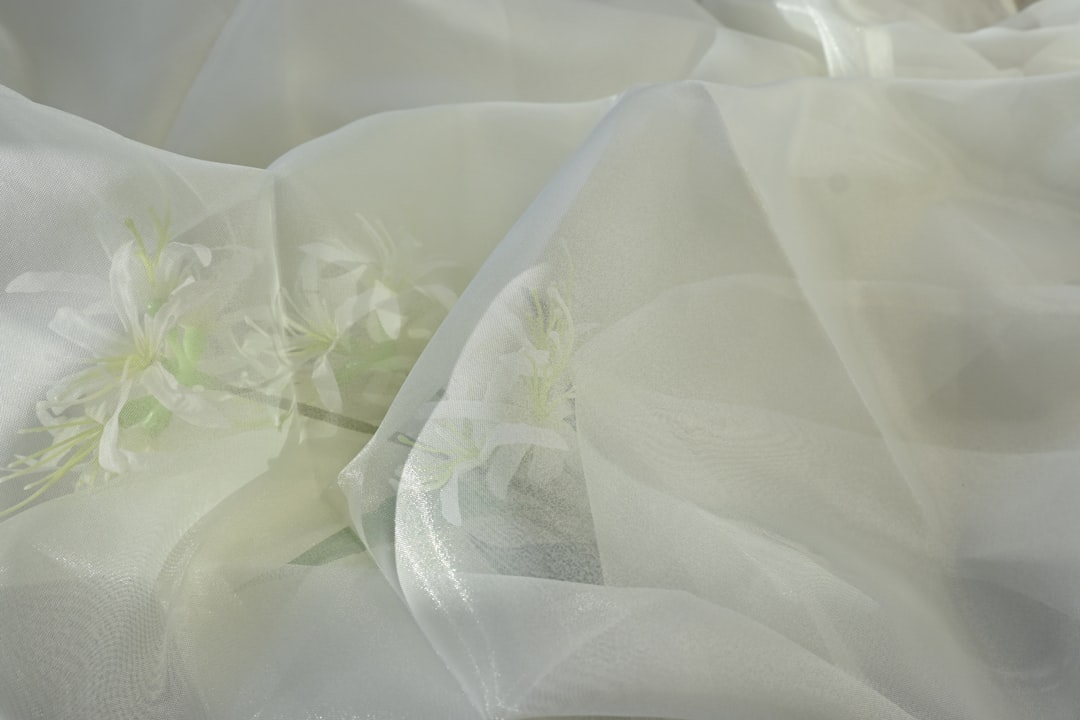
Chiffon is chiffon is a plain-weave fabric made from highly twisted yarns, typically silk, polyester, nylon, or rayon. The alternating S-twist and Z-twist yarn directions create its characteristic slight puckering. With a weight of 30 to 60 GSM and a low thread count, the result is a sheer, semi-transparent material with a soft, sandpapery texture. — chiffon is one of those fabrics that photographs beautifully but frustrates anyone who has tried to sew it. This lightweight, sheer textile weighs just 30 to 60 grams per square meter and gets its airy quality from tightly twisted yarns woven in a simple plain weave. Whether silk or synthetic, it drapes like nothing else. Best for: Evening gowns, prom dresses, and formal wear, Bridal veils, bridesmaid dresses, and wedding decorations, Flowy blouses and layered tops. Find which fabrics suit your proportions with our free Body Shape Calculator.
Origin
The word "chiffon" comes from the French "chiffe," meaning rag or scrap of cloth. French weavers first produced silk chiffon in the 18th century, and it quickly became associated with luxury eveningwear. By the 1930s, synthetic fibers made this once-exclusive fabric accessible to everyday fashion. Today, polyester and nylon versions account for the majority of chiffon production, though silk chiffon remains the standard for bridal and couture garments.
Composition
Chiffon is a plain-weave fabric made from highly twisted yarns, typically silk, polyester, nylon, or rayon. The alternating S-twist and Z-twist yarn directions create its characteristic slight puckering. With a weight of 30 to 60 GSM and a low thread count, the result is a sheer, semi-transparent material with a soft, sandpapery texture.
History of Chiffon
Chiffon appeared in France during the mid-1700s as a silk-only luxury. It spread across European fashion houses throughout the 19th century, becoming a favorite for ball gowns and evening wraps. The invention of nylon in 1938 and the widespread adoption of polyester in the 1950s changed everything. Suddenly, a fabric that once required imported silk could be mass-produced affordably. During the 1990s and 2000s, chiffon became a staple for bridesmaid dresses, and it has remained a go-to choice for formal and occasion wear ever since.
How Chiffon Is Made
Fiber Selection
Production starts with choosing the base fiber. Silk chiffon uses fine mulberry silk filaments. Polyester and nylon chiffon use synthetic filaments engineered for consistent diameter and strength. The fiber choice determines the final fabric price, feel, and care requirements.
High-Twist Yarn Preparation
The raw fibers are spun into yarns with an extremely high twist count, alternating between S-twist (clockwise) and Z-twist (counterclockwise). This opposing twist is what gives chiffon its slight puckering and crinkled texture. The tighter the twist, the more textured the finished fabric.
Plain Weaving
Twisted yarns go onto a loom in a simple one-over, one-under plain weave with a deliberately low thread count. This open weave structure, combined with the fine twisted yarns, produces the fabric's transparency. The loom tension must be carefully controlled because the high-twist yarns can snap if pulled too tight.
Heat Setting
Synthetic chiffon goes through a heat-setting process that stabilizes the twist and locks in the crinkled texture. This step prevents the fabric from unraveling during cutting and sewing. Silk chiffon skips this step since natural fibers hold their twist structure on their own.
Finishing and Dyeing
The woven fabric is dyed, printed, or treated with specialty finishes. Chiffon takes dye evenly, which is why it comes in such a wide color range. Floral prints and abstract patterns look particularly striking because the design shows through the translucent layers, creating depth that opaque fabrics cannot achieve.
Key Characteristics
- Weighs 30 to 60 GSM, making it one of the lightest woven fabrics
- Sheer transparency that usually requires lining or layering
- Soft, fluid drape that moves with the body
- Slightly rough, sandpapery texture from high-twist yarns
- Frays easily when cut, needs careful handling
- Takes dye well, available in a wide color range
- Wrinkle-prone for silk versions, wrinkle-resistant for polyester
- Not stretchy unless blended with spandex
Types of Chiffon
Each type has unique properties that affect how it drapes, feels, and performs in different garments.
Silk Chiffon
The original luxury version, woven from natural mulberry silk. It has a subtle shimmer, the softest hand feel of any chiffon type, and a fluid drape that looks stunning in evening gowns and bridal wear. Silk chiffon costs more and needs professional cleaning, but nothing else quite matches its elegance.
Polyester Chiffon
The workhorse of the chiffon family. More affordable, wrinkle-resistant, and machine washable on a delicate cycle. It holds dye colors brightly and works well for bridesmaid dresses, event decor, and everyday occasion wear. The drape is slightly stiffer than silk.
Nylon Chiffon
Stronger than silk and more resilient than polyester when wet. Nylon chiffon has a smooth finish and holds up well to repeated washing. It was the first synthetic chiffon, developed in the 1940s, and remains popular for dance costumes, lingerie, and scarves.
Rayon Chiffon
Made from regenerated cellulose fibers, rayon chiffon drapes like silk at a fraction of the cost. It breathes better than polyester and has a natural, matte finish. The trade-off is that rayon wrinkles easily and weakens when wet, so hand washing is a must.
Pearl Chiffon
A slightly heavier chiffon (around 50 to 60 GSM) with a pearlescent sheen that catches light. Less sheer than standard chiffon, pearl chiffon offers more coverage and works well for women who want the chiffon look without full transparency.
Crinkle Chiffon
Has a permanent textured surface that adds visual dimension. The crinkle hides wrinkles naturally, making this the most practical chiffon for travel. It packs flat, comes out looking intentionally textured, and needs zero ironing.
Stretch Chiffon
A blend of chiffon with about 5% spandex or elastane for gentle stretch. Moves with the body, making it easier to fit and more comfortable for all-day wear. It is a popular choice for wrap dresses and form-fitting tops where standard chiffon would be too rigid.
Jacquard Chiffon
Features woven-in patterns, often floral or geometric, created on a jacquard loom. The pattern is part of the weave structure rather than printed, giving it a subtle, tone-on-tone texture. Jacquard chiffon works beautifully for special occasion pieces that need visual interest without loud prints.
What Does Chiffon Cost?
Polyester chiffon is the most affordable option at $2 to $6 per yard for basic solids. Printed or specialty polyester runs $5 to $12 per yard. Silk chiffon ranges from $15 to $50 per yard for standard quality, with Italian and French silk going up to $120 per yard. Ready-made garments vary widely: a polyester chiffon blouse typically costs $20 to $60, while silk chiffon evening gowns from established designers start around $200 and can reach well into the thousands.
How to Check Chiffon Quality Before Buying
When shopping for chiffon, hold the fabric up to light. Good quality chiffon has an even, consistent weave without thick or thin spots. Silk chiffon feels soft and cool to the touch, while polyester feels slightly warmer and has a bit more body. Check the selvage edge; tightly woven selvages indicate better construction. For sewing, use a Microtex or Sharp needle in size 60/8 or 70/10, fine thread (60 to 100 weight), and a short stitch length of 1.0 to 1.8 mm. Always cut with sharp rotary cutters on tissue paper to prevent the fabric from shifting.
How to Wash and Care for Chiffon
Hand wash in cold water (below 30 C / 86 F) with a gentle detergent
Never wring or twist; press water out gently with a clean towel
Air dry flat or on a padded hanger, away from direct sunlight
Iron on the lowest heat setting (around 110 C / 230 F for silk) with a pressing cloth between the iron and fabric
Use steam sparingly; too much moisture can leave water spots on silk chiffon
Store on padded hangers in a breathable garment bag to prevent snags
Take silk chiffon to a professional dry cleaner; polyester chiffon can be machine washed on a delicate cycle inside a mesh laundry bag
When to Use Chiffon
Best For
- Evening gowns, prom dresses, and formal wear
- Bridal veils, bridesmaid dresses, and wedding decorations
- Flowy blouses and layered tops
- Scarves, shawls, and wraps
- Overlay and lining layers on heavier fabrics
- Event decor: table runners, chair sashes, ceiling draping
- Sheer curtains and window treatments
- Summer occasion wear and garden party outfits
Avoid For
- Daily wear and heavy-rotation wardrobe pieces (too delicate)
- Cold weather outer layers (no insulation)
- Structured garments like blazers or tailored trousers
- Activewear or sporty outfits
- Any situation where full opacity is needed without layering
Chiffon for Your Body Shape
How you wear chiffon matters as much as what you wear. Here are tailored tips for each body shape.
Hourglass Shape
Chiffon wrap dresses follow your natural waist and let the fabric flow over your hips. A layered chiffon top tucked into a high-waisted skirt shows off your proportions while the fabric moves with you.
Pear Shape
Flutter-sleeve chiffon blouses and ruffled necklines draw the eye upward and add volume to your shoulders. Layer the blouse over a fitted camisole for a polished, balanced look that celebrates your shape.
Apple Shape
Empire-waist chiffon dresses and flowing tunics skim the midsection gracefully while still defining your frame. Pearl chiffon works especially well here since it provides more coverage with the same airy feel.
Rectangle Shape
Tiered chiffon skirts and ruffled tops create the illusion of curves by adding volume where you want it. A chiffon peplum top, which has a short flared section at the waist, adds shape without bulk.
Inverted Triangle Shape
Soft chiffon flutter sleeves balance broader shoulders, while A-line chiffon skirts and wide-leg palazzo pants create proportion in the lower half. Avoid stiff chiffon tops that add even more volume up top.
Sustainability
Silk chiffon is a natural fiber, but silk production uses significant water and relies on silkworm farming. Polyester chiffon is made from petroleum-based plastics and is not biodegradable, taking an estimated 20 to 200 years to decompose in landfills. If sustainability matters to you, look for recycled polyester chiffon (sometimes labeled rPET) or certified organic silk. Some brands now offer Tencel-based alternatives that mimic the drape of traditional chiffon with a smaller environmental footprint.
Frequently Asked Questions
Is chiffon see-through?
Yes. Chiffon is a sheer fabric by definition, and most single-layer chiffon garments need a lining or slip underneath. Designers sometimes layer two or three sheets of chiffon together for more coverage while keeping the flowing look. Pearl chiffon is a thicker option that is naturally less transparent.
What is chiffon fabric made of?
Chiffon is a weave, not a fiber, so it can be made from several materials. The most common are polyester (affordable and easy to care for), silk (luxurious but expensive), nylon (durable and smooth), and rayon (soft and breathable). The fiber determines the price, feel, and care requirements, but the airy drape comes from the high-twist plain weave that all chiffon shares.
Can chiffon be worn year-round?
Chiffon works best in spring and summer because the open weave provides zero insulation. In cooler months, you can still wear it layered over heavier fabrics or as an accent piece. A chiffon blouse under a wool blazer, or a chiffon scarf over a cashmere sweater, works well for fall and winter events.
How do I prevent chiffon from snagging?
Remove sharp jewelry before putting on chiffon garments and keep your nails smooth. Store chiffon on padded hangers inside a breathable garment bag rather than folding it in a drawer. Avoid contact with rough surfaces like Velcro, wicker furniture, or brick walls. If a snag does happen, gently push the pulled thread back through with a blunt needle rather than cutting it.
What is the difference between silk chiffon and polyester chiffon?
Silk chiffon has a softer hand, a subtle natural shimmer, and better breathability. It costs $15 to $120 per yard and needs professional cleaning. Polyester chiffon runs $2 to $6 per yard, resists wrinkles, and can be machine washed on a delicate cycle. Silk drapes more fluidly for formal gowns; polyester holds bright colors better and works well for bridesmaid dresses and everyday occasion wear.
Does chiffon suit all body shapes?
Chiffon is one of the most universally complementary fabrics because its lightweight drape creates soft movement without clinging. For hourglass figures, a chiffon wrap dress follows natural curves. Pear shapes benefit from flutter sleeves that add upper-body volume. Apple shapes look great in empire-waist chiffon dresses that define the bust and flow over the midsection. Use our Body Shape Calculator to find the exact chiffon styles for your proportions.
How do you hem chiffon without visible stitching?
A narrow rolled hem using a serger or a rolled hem foot on a sewing machine produces the cleanest finish. Use a Microtex needle (size 60/8 or 70/10) and fine thread. For hand sewing, roll the raw edge twice and whip-stitch with tiny stitches. You can also apply fray check or a thin line of clear nail polish to raw edges to stop unraveling. Bias tape facing creates an invisible finish on straight edges.
How much does chiffon fabric cost?
Polyester chiffon is the most budget friendly at $2 to $6 per yard. Printed or specialty polyester runs $5 to $12. Silk chiffon starts around $15 per yard for standard quality, with Italian and French silks reaching $120 per yard. Ready-made garments range from $20 for a basic polyester blouse to several hundred dollars for a silk evening gown.
Chiffon vs Silk
These two fabrics are often compared. Here's how they differ in key properties:
| Property | Chiffon | Silk |
|---|---|---|
| Breathability | Very breathable due to open, low-thread-count weave (30-60 GSM) | Excellent natural temperature regulation, adapts to body heat |
| Durability | Delicate and snag-prone; synthetic versions are more durable | Surprisingly strong for its weight; resists tearing better than chiffon |
| Care Difficulty | High: hand wash or dry clean for silk; polyester can go in a mesh bag on delicate | High: hand wash or dry clean recommended for most silk weaves |
| Price Range | Polyester: $2-6/yard. Silk chiffon: $15-120/yard. Garments: $20-500+ | $15-80/yard for fabric. Garments: $50-300+ depending on weave and brand |
| Best Season | Spring and summer; can layer for fall events | Year-round; silk naturally regulates temperature in both warm and cool weather |
| Best For | Overlays, evening gowns, bridal wear, event decor, flowy blouses | Luxury blouses, scarves, lingerie, suits, and year-round elegance |
How Chiffon Compares
Wondering whether chiffon is right for you? See how it stacks up against similar fabrics.
Chiffon vs Cotton
- Price: Mid-Range
- Seasons: Spring, Summer
- Weighs 30 to 60 GSM, making it one of the lightest woven fabrics
- Price: Budget-Friendly
- Seasons: Spring, Summer, Fall
- Breathable: hollow fiber structure lets air circulate against your skin
Chiffon vs Linen
- Price: Mid-Range
- Seasons: Spring, Summer
- Weighs 30 to 60 GSM, making it one of the lightest woven fabrics
- Price: Mid-Range
- Seasons: Spring, Summer
- Extremely breathable: linen's hollow fiber structure allows more air flow than cotton, keeping you noticeably cooler in heat
Chiffon vs Silk
- Price: Mid-Range
- Seasons: Spring, Summer
- Weighs 30 to 60 GSM, making it one of the lightest woven fabrics
- Price: Premium
- Seasons: Spring, Summer, Fall, Winter
- Lustrous, smooth appearance with a natural sheen that catches light
Get Fabric Care Tips
Subscribe for fabric care guides and wardrobe tips
Free weekly updates. Unsubscribe anytime.