Denim Fabric Guide: Types, Care & Style
Denim is cotton woven in a diagonal twill pattern, then dyed with indigo. The word comes from "serge de Nimes," a fabric produced in the French city of Nimes. What makes denim different from regular cotton? The twill weave creates a stronger, more abrasion-resistant fabric, and the indigo sits on the surface of each fiber rather than penetrating it fully. That surface-level dye is why your jeans fade at the knees, pockets, and seams over time.
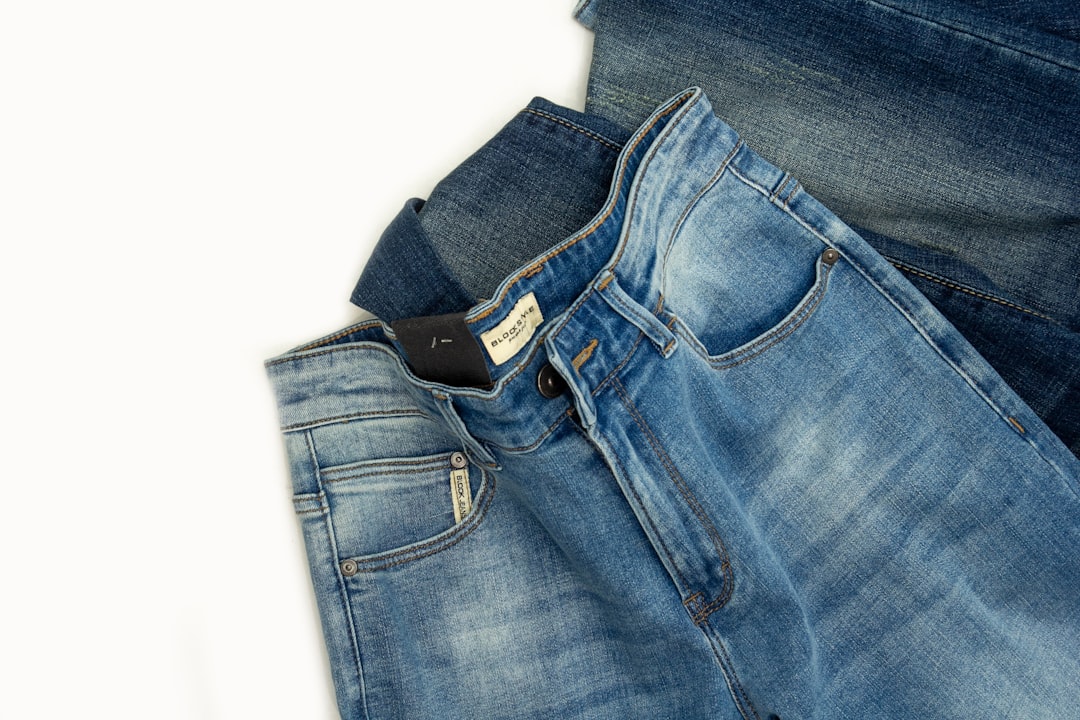
Denim is cotton woven in a twill pattern, typically a 3x1 weave where three warp (lengthwise) threads cross over one weft (crosswise) thread. The warp threads are dyed with indigo while the weft threads stay white, giving denim its blue face and lighter reverse side. Weight is measured in ounces per square yard (oz). Modern denim may include 1-3% elastane for stretch, or blends with polyester or Tencel for different performance qualities. — denim is cotton woven in a diagonal twill pattern, then dyed with indigo. The word comes from "serge de Nimes," a fabric produced in the French city of Nimes. What makes denim different from regular cotton? The twill weave creates a stronger, more abrasion-resistant fabric, and the indigo sits on the surface of each fiber rather than penetrating it fully. That surface-level dye is why your jeans fade at the knees, pockets, and seams over time. Best for: Jeans in every cut from skinny to wide-leg, Trucker jackets and shackets (shirt-jackets), Chambray shirts for layering. Find which fabrics suit your proportions with our free Body Shape Calculator.
Origin
The name "denim" comes from "serge de Nimes," a sturdy fabric woven in Nimes, France as early as the 17th century. In 1873, Levi Strauss and tailor Jacob Davis received US Patent No. 139,121 for riveted work pants made from denim, creating what we now call blue jeans. Originally workwear for miners and laborers, denim crossed into mainstream fashion in the 1950s when actors like James Dean wore it on screen. By the 1980s, designer labels had turned jeans into a fashion statement, and today denim appears in everything from wedding attire to high-fashion runway shows.
Composition
Cotton woven in a twill pattern, typically a 3x1 weave where three warp (lengthwise) threads cross over one weft (crosswise) thread. The warp threads are dyed with indigo while the weft threads stay white, giving denim its blue face and lighter reverse side. Weight is measured in ounces per square yard (oz). Modern denim may include 1-3% elastane for stretch, or blends with polyester or Tencel for different performance qualities.
History of Denim
Denim has a long history that starts with "serge de Nimes," a fabric woven in the French city of Nimes during the 1600s. The fabric we know as modern denim took shape in the United States. In 1873, Levi Strauss and Jacob Davis received US Patent No. 139,121 for placing metal rivets at the stress points of work pants made from denim. These pants, originally designed for gold miners and railroad workers, cost about $1.50 a pair. For the next 80 years, denim stayed mostly in the workwear category. That changed in the 1950s when Hollywood put it on screen. James Dean wore jeans in Rebel Without a Cause (1955), and suddenly denim became a symbol of youth and rebellion. The 1960s counterculture adopted it. The 1970s disco era customized it with embroidery and bell-bottoms. Then in the 1980s, brands like Calvin Klein, Guess, and Jordache turned jeans into a fashion item with price tags to match. Today, the global denim market produces roughly 2.5 billion meters of fabric annually, according to industry sources. Jeans are worn in virtually every country, and denim has expanded well beyond pants into jackets, dresses, bags, and home furnishings.
How Denim Is Made
Cotton Preparation
Raw cotton arrives at the mill in compressed bales. Workers clean it to remove seeds, stems, and dirt, then card and comb the fibers to align them. These aligned fibers are spun into yarn. The spinning method (ring-spun vs. open-end) affects the yarn quality. Ring-spun yarn produces a smoother, stronger denim.
Indigo Dyeing
The warp yarns pass through a series of indigo dye baths, typically 6 to 12 dips. Here is what makes indigo unusual: the dye molecule is too large to fully penetrate the cotton fiber, so it sits on the surface. Each dip adds another thin layer of color. More dips mean deeper blue, but the core of the yarn stays white. This is exactly why denim fades with wear.
Sizing
After dyeing, warp yarns are coated with a starch-based sizing agent. This temporary coating stiffens the yarn so it can handle the tension and friction of the weaving process without breaking. The sizing gets washed out later during finishing.
Twill Weaving
Indigo-dyed warp threads are interlaced with undyed white weft threads on the loom. The standard denim weave is 3x1 right-hand twill, meaning three warp threads pass over one weft thread. This diagonal pattern gives denim its characteristic texture and makes the fabric blue on the front and white on the back.
Finishing
The raw fabric can be sanforized (a controlled shrinking process that limits future shrinkage to under 1%), mercerized (treated with sodium hydroxide to increase luster and strength), or left untreated for raw denim that will mold to the wearer over time.
Washing and Distressing
For non-raw denim, the fabric or finished garment goes through additional treatments. Stone washing tumbles the jeans with pumice stones to soften and fade them. Enzyme washing uses cellulose enzymes for a similar effect with less fabric damage. Laser technology can now create precise fade patterns and distressed areas without water or chemicals.
Key Characteristics
- Tough enough to handle years of regular washing and daily wear
- Fades in a pattern unique to how you move and sit, no two pairs age the same way
- Stiff when new, but softens and molds to your body shape over weeks of wear
- Works in settings from casual Fridays to weekend errands to concerts
- Comes in weights from 5 oz (summer shirts) to 16+ oz (heavy workwear)
- The indigo surface-dye takes well to washing, distressing, and custom fading
- A well-made pair of jeans can last 5-10 years with proper care
- Naturally wrinkle-resistant compared to plain-weave cotton
Types of Denim
Each type has unique properties that affect how it drapes, feels, and performs in different garments.
Raw (Dry) Denim
Unwashed, untreated fabric straight from the loom. It starts stiff and dark, then gradually molds to your body and develops fade patterns based on how you move. Raw denim takes 30-60 wears to fully break in. Most enthusiasts wait 6 months before the first wash.
Selvedge Denim
Woven on traditional shuttle looms that produce a clean, self-finished edge. Shuttle looms weave only about 10-15 meters per day compared to 300+ meters on modern projectile looms. That slower process creates a tighter, denser fabric. You can spot selvedge by rolling up the cuff and looking for the finished edge, often marked with a colored thread.
Stretch Denim
Cotton blended with 1-3% elastane (also called spandex or Lycra) for added flexibility. This is the standard for fitted cuts like skinny and slim-straight jeans. Higher stretch percentages (4%+) are called "super stretch" and feel closer to leggings than traditional jeans.
Chambray
A plain-weave fabric (not twill) that uses colored warp and white weft threads, giving it a similar look to denim but with a much lighter weight and softer hand. Chambray typically weighs 3-5 oz and works well for shirts, blouses, and summer dresses.
Acid-Wash Denim
Created by tumbling denim with pumice stones soaked in a bleaching solution (usually potassium permanganate, not actual acid). The stones create random, mottled lighter patches. The technique was popularized in the 1980s and has cycled in and out of fashion trends since.
Bull Denim
A heavyweight cotton twill (typically 14-16 oz) with a three-over-one weave, similar to standard denim but without the indigo dyeing. It is naturally white or off-white and often used for workwear, canvas-style jackets, and heavy-duty bags.
Coated Denim
Treated with a surface coating of wax, resin, or polyurethane to create a shiny, leather-like appearance. Coated denim keeps the stretch and breathability of regular jeans while adding a polished, evening-ready look. The coating does wear off over time with washing.
Slub Denim
Woven with yarns that have intentional thick-and-thin irregularities (called "slubs"). These create a textured, slightly uneven surface that gives the fabric a vintage, handmade character even when new. Japanese mills are particularly well known for slub denim.
What Does Denim Cost?
Fast-fashion jeans start around $15-30 and typically use thinner fabric (8-10 oz) with shorter lifespans. Mid-range denim from brands like Levi's, Madewell, or Gap runs $50-100 and generally uses 10-12 oz fabric with better construction. Premium denim ($100-200) from labels like AG, Citizens of Humanity, or Nudie Jeans offers heavier fabrics, better hardware, and more refined fits. Japanese selvedge denim, from mills like Kuroki or Kaihara, starts around $150 and can exceed $300 for handwoven or limited-run fabrics. The price difference comes down to fabric weight, construction quality, and how long the jeans will last before wearing through.
How to Check Denim Quality Before Buying
Check the weight first. Hold the fabric up, and heavier denim (12+ oz) generally lasts longer than lightweight versions. Look at the stitching along the inseam and back pockets. Even, tight stitches with no loose threads indicate better construction. Pull the fabric gently to test stretch recovery. Good stretch denim snaps back immediately; cheap stretch stays stretched. For selvedge, look for the finished edge along the outseam when you roll up the cuff. That clean edge (usually with a colored thread) confirms shuttle-loom weaving. Finally, check the rivets and buttons. Metal hardware that feels solid and heavy usually outlasts painted or plastic alternatives.
How to Wash and Care for Denim
Turn jeans inside out before washing. This protects the indigo-dyed outer surface from friction that causes premature fading.
Wash in cold water on a gentle cycle. Hot water breaks down indigo faster and can shrink 100% cotton denim by 3-5%.
Wash about every 10 wears, not after every use. Levi Strauss & Co. recommends washing as infrequently as possible to preserve color and reduce water waste.
Air dry flat or hang from the waistband. Tumble drying on high heat weakens fibers and can cause uneven shrinkage.
Spot clean small stains with a damp cloth and mild soap instead of running a full wash cycle.
Store jeans folded or hung by the waistband. Folding at the knees can create permanent creases over time.
Skip fabric softener. It coats denim fibers and reduces their natural texture and fading character.
When to Use Denim
Best For
- Jeans in every cut from skinny to wide-leg
- Trucker jackets and shackets (shirt-jackets)
- Chambray shirts for layering
- A-line skirts and shirt dresses
- Everyday wear that moves between casual and smart-casual settings
- Transitional layering pieces between seasons
- Workwear and utility clothing where durability matters
- Sustainable fashion when you buy secondhand or invest in long-lasting pairs
Avoid For
- Black-tie or formal events
- Hot summer days if wearing heavyweight (14+ oz) denim
- Athletic activities where moisture-wicking matters
- Most corporate offices with strict dress codes
Denim for Your Body Shape
How you wear denim matters as much as what you wear. Here are tailored tips for each body shape.
Hourglass Shape
Mid-rise or high-rise stretch denim with a bootcut or straight leg lets your natural waist-to-hip ratio do the work. A contoured waistband that sits snug at your waist prevents gapping at the back.
Pear Shape
Dark-wash bootcut or wide-leg jeans in a mid-weight (10-12 oz) denim create balanced proportions. A straight-leg cut from hip to hem works too. Pair with a lighter-colored top to draw the eye upward.
Apple Shape
High-waisted straight-leg jeans with stretch denim (2-3% elastane) give you comfort through the midsection without losing structure. A dark wash creates a continuous line from waist to ankle.
Rectangle Shape
Jeans with curved pocket placement, yoke details, or a lighter wash across the hips create the appearance of curves. A belted high-waisted style draws attention to the waist and adds definition.
Inverted Triangle Shape
Flared or bootcut jeans in a lighter wash add visual weight below the waist, balancing broader shoulders. Wide-leg styles work especially well. Pair with a fitted, darker top to complete the balanced silhouette.
Sustainability
Producing a single pair of conventional jeans uses roughly 7,500 liters of water on average, though the figure ranges from 2,000 to over 10,000 liters depending on farming and manufacturing methods. This includes growing the cotton, dyeing it, and the finishing processes. Indigo dyeing also involves synthetic chemicals that can pollute waterways if not properly treated. However, the industry has been changing. Laser finishing now replaces much of the manual stone washing and chemical treatments that older factories relied on. Some mills use foam dyeing technology that cuts water use by up to 89% compared to traditional methods. Organic cotton denim (certified GOTS) uses no synthetic pesticides or fertilizers. Recycled denim blends post-consumer jeans back into new fabric. If you want the lowest environmental impact, buying secondhand denim is the simplest choice. After that, look for GOTS or GRS certification on the label.
Certification Standards
These third-party certifications help you verify responsible sourcing and manufacturing:
GOTS (Global Organic Textile Standard)
Certifies that cotton is grown without synthetic pesticides or fertilizers, and that the entire production chain meets environmental and social criteria. Look for GOTS certification if organic sourcing matters to you.
GRS (Global Recycled Standard)
Verifies recycled content in fabrics. GRS-certified denim contains verified post-consumer or post-industrial recycled material. This is the label to look for when shopping recycled denim.
OEKO-TEX Standard 100
Tests finished fabric for harmful substances including certain dyes, heavy metals, and formaldehyde. An OEKO-TEX label means the denim has been independently tested and found free of substances at levels considered harmful to health.
Frequently Asked Questions
How often should I wash my jeans?
About every 10 wears is the general recommendation. Levi Strauss & Co. publicly advises washing jeans as infrequently as possible to preserve color and reduce water use. Between washes, spot clean stains with a damp cloth and hang your jeans in fresh air to remove odors.
What is the difference between denim and jeans?
Denim is the fabric. Jeans are the garment. Denim is a cotton twill textile dyed with indigo. Jeans are pants made from denim. You can also make jackets, skirts, bags, and dresses from denim. So all jeans are made of denim, but not all denim products are jeans.
What does raw denim and selvedge denim mean?
Raw denim (also called dry denim) has not been washed or treated after leaving the loom. It starts stiff and dark, then breaks in to your body over time. Selvedge refers to the self-finished edge of fabric woven on traditional shuttle looms. The two terms describe different things and can overlap: you can buy raw selvedge denim, pre-washed selvedge, or raw non-selvedge denim.
Why is denim blue?
Denim gets its blue color from indigo dye applied to the warp (lengthwise) yarns. The weft (crosswise) yarns are left white. Because indigo molecules sit on the surface of the cotton fiber rather than penetrating it fully, the fabric shows its white core as it wears down at knees, seams, and pockets. This surface-level dyeing process is what creates the characteristic fading pattern unique to each pair of jeans.
What denim weight should I choose?
Lightweight denim (5-10 oz per square yard) works best for shirts, summer dresses, and warm-weather wear. Mid-weight denim (10-14 oz) is the most common range for everyday jeans, balancing comfort and durability. Heavyweight denim (14+ oz) is used for workwear, heritage selvedge jeans, and cold-weather wear. Most off-the-rack jeans fall in the 10-12 oz range. The higher the ounce count, the stiffer the fabric will feel when new.
Is stretch denim or rigid denim better?
It depends on what you need. Stretch denim (containing 1-3% elastane) moves with your body, making it comfortable for fitted cuts like skinny or slim jeans. Rigid denim (100% cotton) starts stiff but gradually molds to your shape, creating fade patterns unique to how you wear them. Stretch is more practical for most people. Rigid is preferred by denim enthusiasts who value the break-in process and long-term character.
How do I shrink jeans that have stretched out?
Wash in warm water and tumble dry on medium heat. This works best on 100% cotton denim, which can shrink 3-5%. For targeted shrinking, spray the stretched areas with warm water and press with a hot iron. Stretch denim with elastane has more shape memory and usually recovers on its own after washing, though the elastane degrades over time with repeated high-heat drying.
Is denim the same as cotton?
Denim is made from cotton, but they are not the same thing. Cotton is a natural fiber that can be woven into many different fabrics: jersey for t-shirts, poplin for dress shirts, canvas for bags, and denim for jeans. What makes denim distinct is its twill weave pattern and indigo dyeing process. Think of it this way: all denim is cotton (unless blended), but most cotton fabrics are not denim.
What is the difference between chambray and denim?
Both use colored warp threads and white weft threads, which gives them a similar appearance. The difference is the weave. Denim uses a twill weave (diagonal pattern), while chambray uses a plain weave (over-under pattern). This makes chambray lighter, softer, and more breathable than denim. Chambray typically weighs 3-5 oz compared to 10-14 oz for standard denim. Chambray is common in shirts and lightweight dresses; denim is used for jeans and heavier garments.
Which denim styles complement different body shapes?
Straight-leg jeans are complementary across all body types. High-waisted styles with a contoured waistband work beautifully for hourglass proportions. Wide-leg and bootcut jeans create balanced lines for pear and inverted triangle shapes. Relaxed straight-leg fits with stretch complement apple shapes comfortably. The three things that matter most are rise (where the waistband sits), leg width (how it falls from the hip), and the amount of stretch. Try our free Body Shape Calculator to find your shape and get specific recommendations.
Denim vs Cotton
These two fabrics are often compared. Here's how they differ in key properties:
| Property | Denim | Cotton |
|---|---|---|
| Breathability | Moderate. The tight twill weave and heavier weight reduce airflow compared to plain-weave cotton. | Excellent. Lighter plain weaves allow air to circulate freely against the skin. |
| Durability | Exceptional. The twill weave makes denim one of the most abrasion-resistant cotton fabrics available. | Good for everyday use, but lighter cotton weaves wear through sooner at stress points. |
| Care | Wash less often (every 5-10 wears) to preserve indigo color and develop natural fading. | Machine wash freely. Cotton handles frequent washing without special consideration. |
| Price Range | $30-200+ for jeans. Selvedge and Japanese denim push prices higher. | $10-50 for most cotton garments. Organic cotton costs a bit more. |
| Best Season | Year-round. Choose lightweight (under 10 oz) for summer, heavyweight (14+ oz) for winter. | Spring through early fall. Lightweight cotton breathes best in warm weather. |
| Best For | Jeans, jackets, skirts, and durable casual pieces you want to last for years. | T-shirts, underwear, casual basics, bedding, and anything next to sensitive skin. |
How Denim Compares
Wondering whether denim is right for you? See how it stacks up against similar fabrics.
Denim vs Cotton
- Price: Budget-Friendly
- Seasons: Spring, Summer, Fall, Winter
- Tough enough to handle years of regular washing and daily wear
- Price: Budget-Friendly
- Seasons: Spring, Summer, Fall
- Breathable: hollow fiber structure lets air circulate against your skin
Denim vs Linen
- Price: Budget-Friendly
- Seasons: Spring, Summer, Fall, Winter
- Tough enough to handle years of regular washing and daily wear
- Price: Mid-Range
- Seasons: Spring, Summer
- Extremely breathable: linen's hollow fiber structure allows more air flow than cotton, keeping you noticeably cooler in heat
Denim vs Silk
- Price: Budget-Friendly
- Seasons: Spring, Summer, Fall, Winter
- Tough enough to handle years of regular washing and daily wear
- Price: Premium
- Seasons: Spring, Summer, Fall, Winter
- Lustrous, smooth appearance with a natural sheen that catches light
Get Fabric Care Tips
Subscribe for fabric care guides and wardrobe tips
Free weekly updates. Unsubscribe anytime.