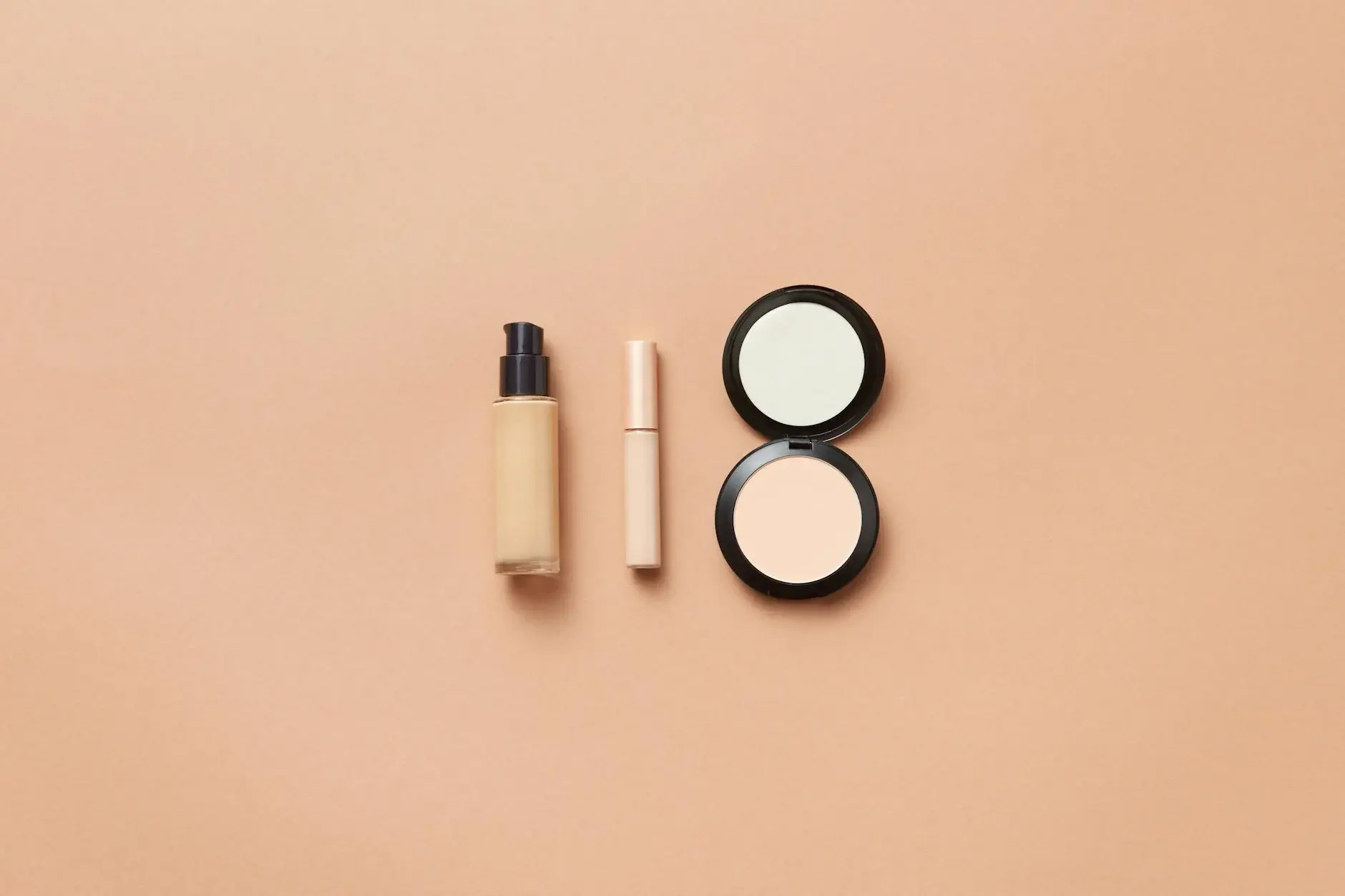
Foundation (cool undertone)
Foundation with cool or neutral-cool undertones. Warm-toned formulas will look yellow on Cool Winter skin.
Why we picked it: Pink-leaning neutrals read cleanest. Swatch on the jawline in natural light.
Shop on AmazonCool Winter is the coolest of the three Winter subtypes in the 12-season color analysis system. Your coloring has distinctly cool, blue-based undertones with high contrast between hair, skin, and eyes. The colors that work for you are pure, cool, and clear.
The Cool Winter color palette (also called True Winter) features icy, blue-based tones like true red, magenta, royal blue, and icy pink. Cool Winter has distinctly cool undertones with high contrast between hair, skin, and eyes. Best colors are pure, cool, and clear. Black, pure white, navy, and silver jewelry complete the palette.
You might also see this season called True Winter. Both names refer to the same palette, and most color analysts use them interchangeably. The "cool" refers to the blue-based temperature of your best colors, while "true" means you sit at the center of the Winter family rather than borrowing from a neighboring season.
If you took our color analysis quiz and landed here, you probably noticed that warm or earthy colors make your skin look dull or yellowish. That is the clearest sign of Cool Winter coloring. Your natural features carry enough contrast and coolness that they need equally cool, clear colors to match. Put on a royal blue or a magenta and your complexion looks brighter. Put on an orange or a camel, and the life seems to drain from your face.
This guide covers the color theory behind your palette, specific wardrobe pieces across all categories, makeup and hair color recommendations, and practical outfit combinations. You can come back to it whenever you are shopping or getting dressed.
Cool Winter eyes tend to be clear and cool-toned. Common colors include icy blue, steel gray, cool green, dark brown with a blue-black quality, or a clear hazel with gray tones. The whites of the eyes are usually bright and clear, which adds to the overall contrast. If your eyes look best framed by silver or blue-toned eyeshadow rather than warm copper or bronze, that is a good indicator of this season.
Skin tones range from porcelain and fair to medium olive to deep, but the common thread is cool undertones. Fair Cool Winters often have a pink or blue-pink flush. Medium skin tones lean toward neutral-cool olive. Deeper skin tones tend to have a blue or blue-brown base rather than a warm golden one. The easiest test is jewelry: if silver, platinum, or white gold consistently looks better on you than yellow gold, your undertones are likely cool enough for this palette.
Hair color ranges from medium ash brown to jet black, and the key is the absence of warmth. Cool Winter hair does not have golden, auburn, or coppery undertones. In natural light, it may show a blue-ish or ashy sheen rather than a reddish one. Some Cool Winters have salt-and-pepper or fully gray hair, which actually works well because the cool silver tone matches the palette naturally. If your hair turns reddish in sunlight, you may lean toward Deep Winter or an Autumn season instead.
Cool Winter has medium-high to high contrast. The difference between your dark hair and lighter skin is noticeable, and your eye color typically stands out against both. This contrast level is lower than Clear Winter (which has the highest contrast of any season) but higher than Cool Summer (which is softer and more muted). Your contrast level means you look good in outfits that pair light and dark together, like a navy blazer with a white top, or a black dress with icy pink accessories.
In the 12-season color analysis system, every palette is defined by three dimensions: hue (warm vs. cool), value (light vs. dark), and chroma (muted vs. bright). Cool Winter is defined primarily by its cool temperature. It is the most purely cool of all three Winter subtypes.
Very cool, strongly blue-based. This is the defining trait of Cool Winter. Every color in your palette leans toward blue. Reds are blue-reds (cherry, raspberry), not orange-reds. Greens are blue-greens (emerald, teal), not yellow-greens. Even your neutrals are cool: true gray and icy gray rather than warm taupe or beige. This cool orientation separates you from Deep Winter (which can handle some neutral-warm depth) and Clear Winter (which leans neutral-cool with higher brightness).
Ranges from icy light to deep dark. Your palette includes both ends of the lightness spectrum. On the light end: icy pink, icy blue, icy lavender, pure white. On the dark end: navy, black, charcoal, deep plum. This range gives you versatility, but the medium-tone colors in your palette (royal blue, magenta, emerald) are often the most striking on you because they match the natural contrast in your coloring.
Medium-high to high. Your colors are clear and relatively saturated, but not quite as vivid as Clear Winter. Think of the difference between royal blue (yours) and electric blue (Clear Winter). Your colors have purity and clarity, but they are slightly more refined and less punchy. If a color looks dusty or muted, like it has been mixed with gray or brown, it is not in your palette.
These are your best neutrals for basics and building outfits.
Use these colors for pops of color in accessories or statement pieces.
Your palette answers what to wear. Your body shape answers where to put it. Pick your shape below and the same Cool Winter colors get placed on your lines. The choice is remembered on this device only.
Not sure which one you are? The body shape calculator works it out from three measurements in under a minute.
Best Metal: Silver, platinum, white gold
Each card opens an Amazon search filtered by Cool Winter tones — cool pink, plum, true red, cool berry, silver, icy blue. Cool, clear, slightly icy shades.
Affiliate disclosure: As an Amazon Associate, DiscoverFashions earns from qualifying purchases. We only feature products we genuinely believe will help our readers.
Foundation with cool or neutral-cool undertones. Warm-toned formulas will look yellow on Cool Winter skin.
Why we picked it: Pink-leaning neutrals read cleanest. Swatch on the jawline in natural light.
Shop on Amazon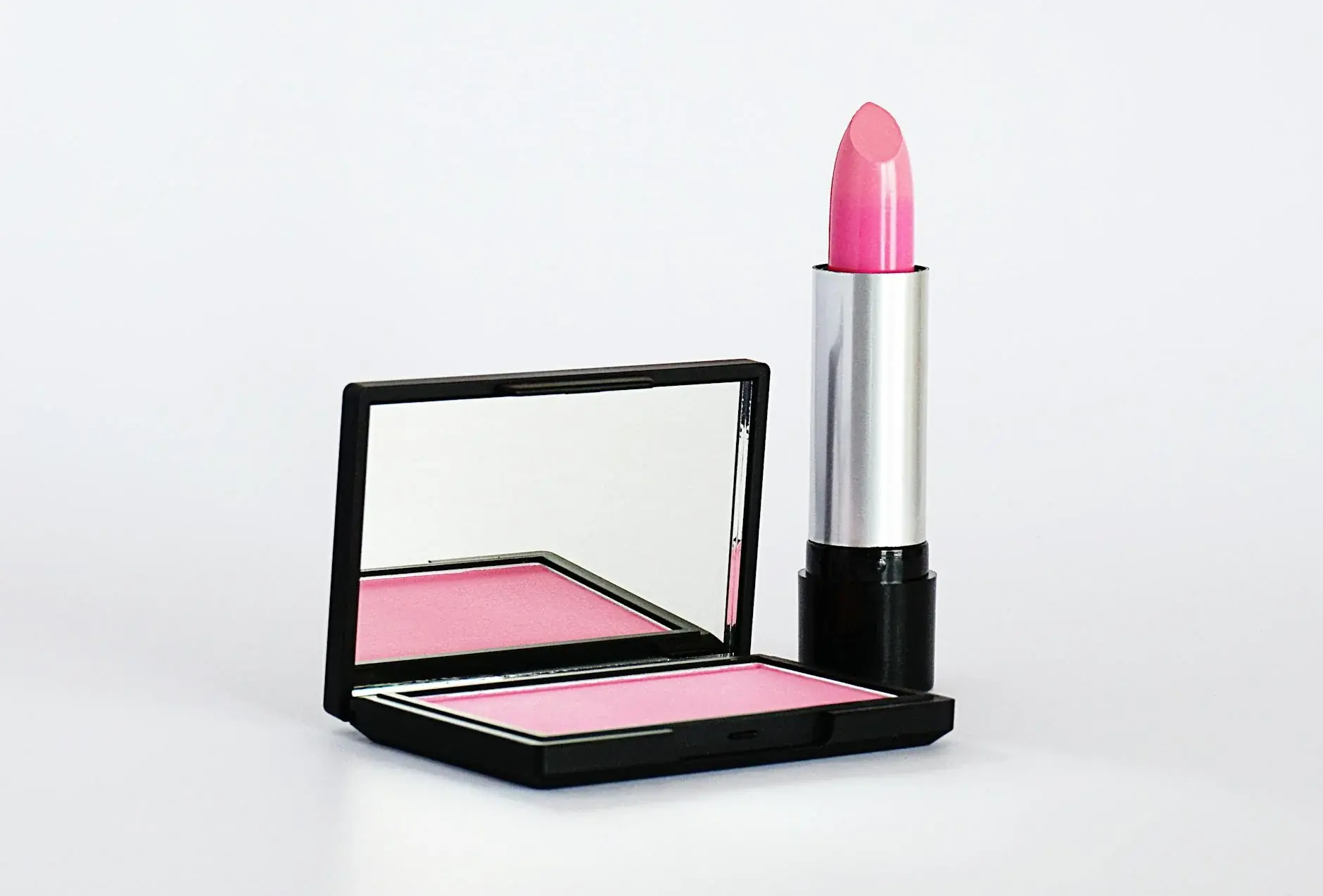
Cool pink or plum blush on the cheeks; avoid warm peach or orange-toned blush.
Why we picked it: Cream or powder both work; cool pink reads most natural for everyday wear.
Shop on Amazon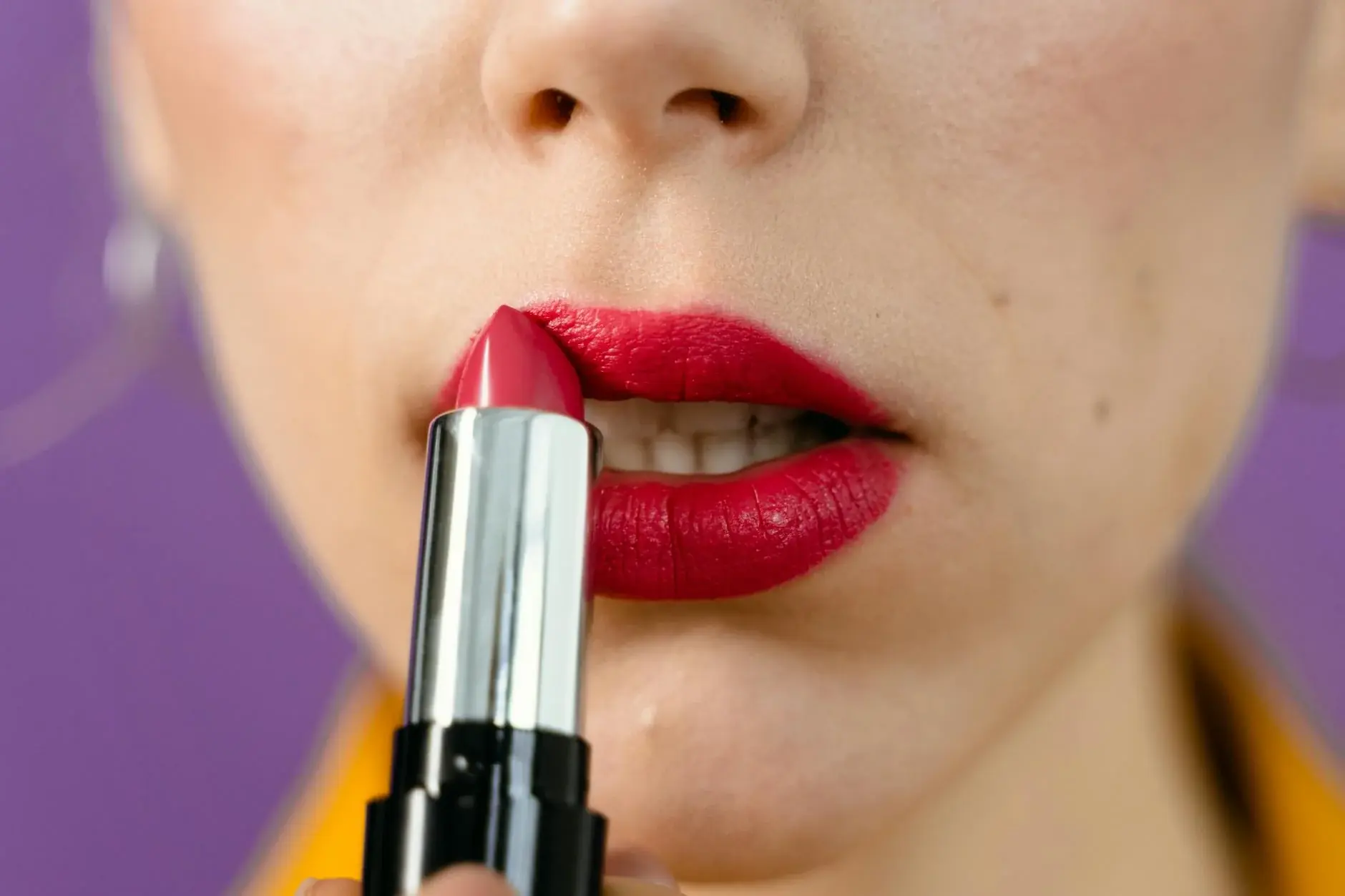
True red lipstick is the strongest shade. Cool berry and raspberry work well for everyday wear.
Why we picked it: Matte or satin finishes; cool, blue-leaning reds read most vivid.
Shop on Amazon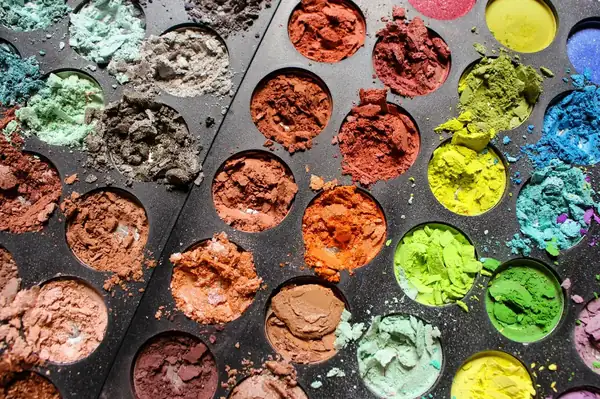
Cool tones: silver, cool gray, icy blue, plum, or navy. Skip warm copper and bronze.
Why we picked it: Cool, clear palettes with metallic accents complement the season.
Shop on Amazon
Black mascara and eyeliner for definition. Brown mascara can look too soft against Cool Winter coloring.
Why we picked it: Volumising or lengthening formulas both work; cool dark tones balance the natural contrast.
Shop on AmazonCool Winter and Cool Summer are "sister seasons" because both have strongly cool, blue-based undertones. The main difference is intensity and contrast.
Cool Winter handles vivid, saturated, high-contrast colors. Cool Summer works better in softer, muted, lower-contrast shades. A simple way to think about it: Cool Winter wears true red and black; Cool Summer wears dusty rose and charcoal.
Try this test at home. Hold a bright magenta and a soft mauve near your face. If the magenta makes your skin look clearer and more alive, you are likely Cool Winter. If the mauve is more complementary and the magenta feels too intense, Cool Summer may be your season. Both are cool-toned, so the question is really about how much color intensity you can carry.
No color palette exists in isolation. You can occasionally borrow from neighboring seasons for more variety.
You share the Winter depth and coolness with Deep Winter, so you can borrow some of their richer, darker shades. Deep plum, burgundy, and dark teal from Deep Winter can work on you. The main difference is that Deep Winter has slightly warmer undertones and more depth, while your palette leans cooler and includes more icy light shades. Avoid their warmest colors like dark olive or deep amber.
You share the cool temperature with Cool Summer, making it the closest warm-season palette to yours. Some of their lighter, cooler shades (like soft lavender, cool rose, or powder blue) can work for you in casual settings. But their most muted or dusty colors will look flat on you because you need more clarity and saturation than Cool Summer provides.
These celebrities are Cool Winters you can look to for color inspiration:
Polished silver, white gold, and platinum are your best metals. The cool, reflective quality of silver complements your cool undertones naturally. Rhodium-plated and stainless steel jewelry work well too. Rose gold can work in small doses if it leans more pink than golden. Avoid yellow gold, brass, and antiqued or warm-toned metals.
Sapphire, amethyst, blue topaz, and diamond suit Cool Winter coloring well. These stones have the cool tone and clarity that matches your palette. Ruby works because it is a cool-toned red. Pearl (white or gray) is another strong choice. Avoid warm stones like amber, citrine, and warm turquoise.
Black frames are a natural fit for Cool Winter. Silver or gunmetal metal frames also work. Deep plum, navy, or cool berry colored frames can add personality without clashing. Clear or crystal frames suit lighter Cool Winters. Avoid warm tortoiseshell, brown, or gold-toned frames.
Look for scarves in your palette colors with cool-toned patterns. Black and white graphic prints, jewel-tone florals on dark backgrounds, and navy or gray stripes all work well. Silk or satin fabrics in magenta, royal blue, or icy pink make good statement pieces. Avoid warm-toned, earthy, or rust-colored scarves.
Office wear and professional settings
Evening events and dinners out
Presentations and meetings where you want to stand out
Date night and cocktail parties
Weekend outings and casual plans
Summer events and garden parties
Yes. Cool Winter and True Winter refer to the same color season in the 12-season color analysis system. Different color analysts use different names. Both describe the Winter subtype that sits at the center of the Winter family with the coolest, most blue-based undertones of the three subtypes (the other two being Deep Winter and Clear Winter).
Cool Winter should generally avoid warm colors. If you need to wear something from the warm end of the spectrum, choose the coolest version available. For example, pick a blue-based red rather than an orange-red, or a cool teal rather than a warm olive green. Keep warm tones away from your face by wearing them as pants or shoes rather than tops or scarves.
Blue-based reds work best: true red, cherry, crimson, and raspberry. These reds have a cool, blue undertone that matches your coloring. Avoid orange-reds, tomato reds, and warm brick reds. A simple test is to hold the red fabric near your face. If it makes your skin look brighter, the red is cool enough for you.
Pure, cool colors with medium to high intensity are your strongest options. Specific examples include royal blue, magenta, emerald, icy pink, true red, navy, cool purple, and icy lavender. For neutrals, stick with black, pure white, charcoal, true gray, and navy. All your colors should be clear rather than muted or warm.
Cool pink, berry, and blue-based red lipsticks are your best options. For eyes, cool gray, silver, plum, icy blue, and navy eyeshadow work well. Cool pink or plum blush keeps your face looking fresh. Avoid warm bronzers, peach blush, and warm copper or gold eyeshadow, as these will clash with your cool undertones.
Warm browns like camel, tan, cognac, and khaki clash with Cool Winter coloring. If you need a brown-adjacent neutral, choose cool cocoa, charcoal brown, rose-brown, or cool taupe. These have enough blue or gray in them to work with your cool undertones. But honestly, navy and charcoal will always look better on you than any shade of brown.
Both seasons have cool undertones, but they differ in intensity and contrast. Cool Winter handles vivid, saturated, high-contrast colors: true red, black, magenta, royal blue. Cool Summer works better in softer, muted, lower-contrast shades: dusty rose, powder blue, charcoal, soft plum. If bright magenta looks amazing on you, you are Cool Winter. If it overwhelms you and soft mauve is better, you are Cool Summer.
Start with four base neutrals: black, navy, charcoal, and pure white. Add three to four accent colors: royal blue, true red or magenta, cool pink, and emerald. Include silver jewelry as your default metal. Focus on clean lines and structured pieces. With these 20 to 25 pieces, you can create 50 or more outfit combinations that all work with your coloring. Use our Capsule Wardrobe Quiz for a personalized wardrobe plan.
Deep Winter sits at the darkest, coolest corner of the 12-season color analysis system. If you landed here after taking our quiz, your coloring has striking contrast and cool depth that comes alive in rich, saturated, blue-based shades.
Learn MoreClear Winter, also called Bright Winter, sits where Winter meets Spring in the 12-season color system. Your coloring has the highest contrast of any season: cool undertones paired with brilliant clarity. The colors that work for you are pure, vivid, and unmistakably bold.
Learn MoreKnowing your palette is step one. Translate it into clothing with a seasonal capsule, or refine the fit using your body shape.
Subscribe for personalized color palettes and styling tips
Free weekly updates. Unsubscribe anytime.