Velvet Fabric: 10 Types, Care & Styling
Velvet gets its look from thousands of tiny cut threads standing upright on a woven base. That pile catches light from different angles, which is why the same piece of velvet can look deep burgundy in one moment and almost black the next. The fabric has been around for roughly 4,000 years, and people still reach for it when they want something that feels special.
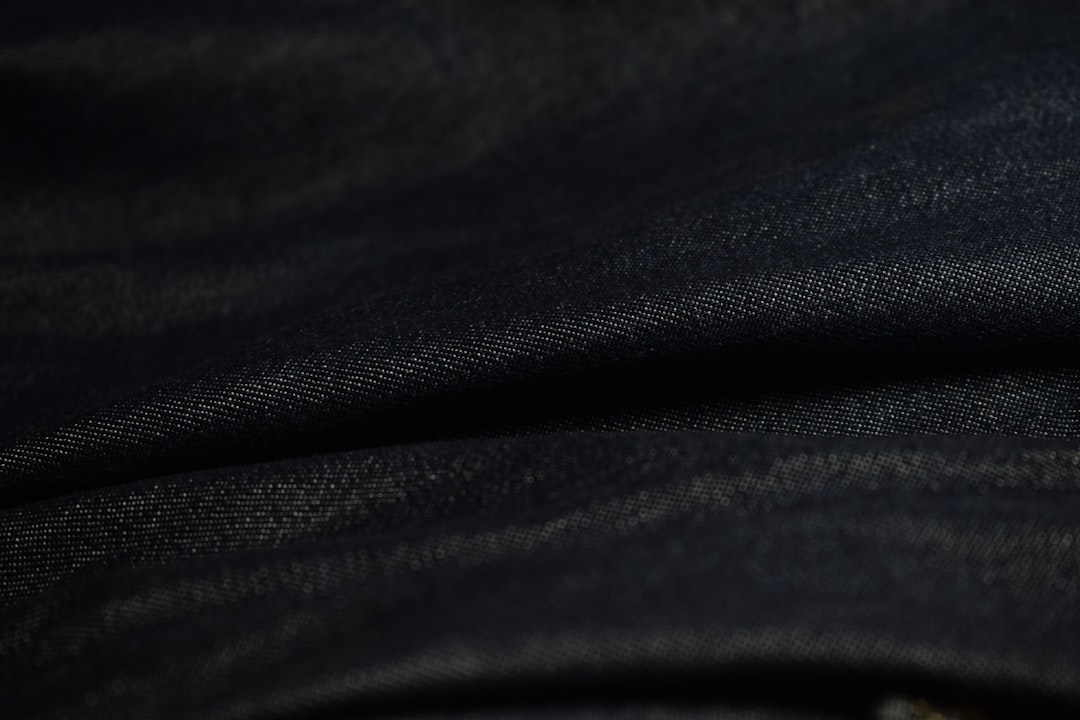
Velvet is a woven fabric with a dense pile of cut threads, typically 1 to 3 mm tall. The base weave holds the pile in place while the upright fibers create softness and light-catching effects. Velvet can be made from silk, cotton, polyester, viscose, or blends. The fiber choice changes everything about how the fabric feels, drapes, and wears over time. — velvet gets its look from thousands of tiny cut threads standing upright on a woven base. That pile catches light from different angles, which is why the same piece of velvet can look deep burgundy in one moment and almost black the next. The fabric has been around for roughly 4,000 years, and people still reach for it when they want something that feels special. Best for: Evening gowns and formal wear, Holiday and special occasion outfits, Blazers and structured jackets. Find which fabrics suit your proportions with our free Body Shape Calculator.
Origin
Velvet likely originated in the Far East around 2000 BC, with early examples found in Cairo dating to the 14th century. Chinese and Egyptian weavers produced the first known velvet textiles. The fabric reached Europe through Silk Road trade routes, and by the 1300s, Italian cities like Florence and Genoa had become major production centers. For centuries, only royalty and the very wealthy could afford it. Today, advances in synthetic fibers have made velvet accessible at every price point.
Composition
A woven fabric with a dense pile of cut threads, typically 1 to 3 mm tall. The base weave holds the pile in place while the upright fibers create softness and light-catching effects. Velvet can be made from silk, cotton, polyester, viscose, or blends. The fiber choice changes everything about how the fabric feels, drapes, and wears over time.
History of Velvet
The earliest surviving velvet fragments come from 14th-century Egypt, though textile historians believe the technique is much older. Chinese silk weavers may have been producing pile fabrics as early as 2000 BC. When velvet reached Italy in the 13th and 14th centuries, Florentine and Genoese workshops turned it into an art form, weaving gold and silver threads into the pile for church vestments and royal garments. King Richard II of England was buried in a velvet robe in 1400. By the Renaissance, velvet had become the fabric of power across Europe. The Industrial Revolution brought mechanized looms that could produce velvet faster and cheaper, and the invention of rayon in the early 1900s opened the door to affordable alternatives. Polyester velvet arrived in the 1960s and 70s, making the fabric genuinely mass-market for the first time.
How Velvet Is Made
Fiber Preparation
Velvet can be made from silk, cotton, polyester, viscose, or blends. The chosen fiber is spun into yarn and wound onto beams. Two separate sets of warp yarn are prepared, because velvet production requires a double-cloth weaving process that is unique to pile fabrics.
Double-Cloth Weaving
Two layers of base fabric are woven simultaneously on a special double-beam loom. An extra set of threads connects the two layers, forming the pile that will become the velvet surface. The distance between the two layers determines the pile height, typically 1 to 3 mm.
Cutting the Pile
A precision blade passes between the two fabric layers, slicing the connecting pile threads in half. Each layer becomes a separate piece of velvet with an even, upright pile surface. This step requires exact calibration, since an uneven cut produces patches of long and short pile.
Brushing and Finishing
The cut pile is brushed to raise and align the fibers uniformly. Steam finishing relaxes the fibers and sets the pile direction (the "nap"). This step creates the signature softness and ensures the light-catching quality is consistent across the fabric.
Dyeing
Velvet is typically piece-dyed after weaving. The pile structure absorbs dye deeply, which is why velvet colors appear richer and more saturated than the same dye on a flat-weave fabric. Jewel tones like emerald, burgundy, sapphire, and deep plum look particularly striking because the standing fibers interact with light at multiple angles.
Key Characteristics
- Dense pile (1-3 mm) of cut threads creates a soft, plush surface
- Catches and reflects light differently depending on the angle you view it from
- Heavier drape than most woven fabrics, with a weight of 200 to 400 GSM
- Available in every color, though deep jewel tones show the pile effect best
- The pile direction (called "nap") means the fabric looks different when brushed up versus down
- Shows pressure marks, seat creases, and water spots easily
- Requires more careful handling and storage than flat-weave fabrics
- Provides warmth without bulk, making it practical for cold-weather layering
Types of Velvet
Each type has unique properties that affect how it drapes, feels, and performs in different garments.
Silk Velvet
The original and still the most luxurious version. Silk velvet has a dense, lustrous pile with a fluid drape that catches light beautifully. It costs more and needs dry cleaning, but nothing else matches its depth of color. Best for evening gowns, formal jackets, and statement accessories.
Cotton Velvet
Heavier and more matte than silk velvet, with a slightly stiffer hand. Cotton velvet is more durable and easier to care for, making it practical for blazers, upholstery, and everyday pieces. The pile is dense and holds up well to regular wear.
Crushed Velvet
Processed to create a permanently wrinkled, multi-directional pile that shimmers as it catches light from different angles. The textured surface actually hides minor wear marks and wrinkles, making it more forgiving than smooth velvet. Popular for bohemian and vintage-inspired looks.
Stretch Velvet
A blend of polyester or nylon with 5 to 10% spandex for a comfortable, body-conforming fit. The go-to choice for fitted dresses, leggings, performance costumes, and any garment where you need ease of movement. Machine washable in most cases.
Velveteen
A cotton-based alternative with a shorter pile (under 1 mm) and a slightly stiffer drape than true velvet. More affordable and practical for children's clothing, casual jackets, and home sewing projects. The shorter pile means it shows less marking than full-pile velvet.
Panne Velvet
A type of velvet where the pile has been flattened in one direction using heat and pressure, creating a high-shine, almost metallic surface. Lightweight and usually made from polyester or nylon. Common in dance costumes, eveningwear, and decorative applications.
Devore Velvet (Burnout Velvet)
Made by applying a chemical paste that dissolves the pile in specific areas, leaving a pattern of velvet against a sheer base fabric. The contrast between opaque pile and transparent ground creates a striking effect. Used in scarves, evening tops, and decorative textiles.
Embossed Velvet
Has a pattern pressed into the pile using heated rollers. The design is three-dimensional, with raised velvet areas and flattened sections creating texture. Renaissance-inspired motifs and floral designs are common. Used for upholstery, pillows, and formal garments.
Cisele Velvet
Combines both cut and uncut (looped) pile in a single fabric. The contrast between the two textures creates subtle patterns. This is one of the most technically complex types of velvet to weave, and it has been produced since at least the 15th century.
Hammered Velvet
Similar to crushed velvet but with a more irregular, almost liquid-looking surface texture. The pile is pressed at multiple angles, giving it a flowing, molten appearance. Frequently used for evening dresses and formal drapes.
What Does Velvet Cost?
Polyester velvet garments start around $30 to $60 for basic pieces like tops or skirts. Cotton velvet sits in the $50 to $150 range for well-made blazers and dresses. Silk velvet is the most expensive, with garments running $100 to $500 or more depending on the designer and construction. For fabric by the yard, polyester velvet costs $8 to $15 per yard, cotton velvet $15 to $30, and silk velvet $40 to $120 per yard. Vintage velvet pieces at thrift stores or online resale platforms often cost $15 to $50 and come with unique character that new pieces cannot replicate.
How to Check Velvet Quality Before Buying
When shopping for velvet, run your hand across the pile. Good velvet springs back quickly after you press it; cheap velvet stays flat. Check the weight: quality velvet for clothing typically falls between 250 and 350 GSM. Hold the fabric up to light and look for even pile density without thin spots or bald patches. For garments, examine the seams, since velvet is tricky to sew, and poor construction shows faster in this fabric than in most others. The "finger test" works well: press your finger into the pile and release. If the impression disappears within a few seconds, the pile density is good. If it stays, the velvet may show every touch and seat mark you give it.
How to Wash and Care for Velvet
Check the care label first. Silk velvet and cotton velvet usually need dry cleaning. Polyester and stretch velvet can often be hand washed in cold water (below 30 C / 86 F) with a gentle detergent.
Never iron velvet face-down. The heat and pressure will crush the pile permanently. Use a garment steamer held 2 to 3 inches away from the surface, or hang the garment in a steamy bathroom for 10 to 15 minutes.
If you must press velvet, place it face-down on a thick terry cloth towel and steam from the back side. The towel protects the pile from flattening.
Store velvet on padded hangers, never folded. Folding creates creases that are difficult to remove because the crushed pile does not spring back on its own.
For minor marks and seat creases, hold the affected area over steam and gently brush with a soft-bristle velvet brush in the direction of the nap.
Spot clean stains by blotting (never rubbing) with a damp white cloth. Work from the outside of the stain inward to prevent spreading.
Keep velvet away from direct sunlight during storage. UV light fades dyed pile fibers faster than it fades flat-weave fabrics.
For machine-washable polyester velvet, turn the garment inside out, place it in a mesh laundry bag, and use a delicate cycle with cold water. Skip the dryer and air dry flat.
When to Use Velvet
Best For
- Evening gowns and formal wear
- Holiday and special occasion outfits
- Blazers and structured jackets
- Statement accessories (shoes, bags, headbands)
- Home decor: throw pillows, curtains, upholstery
- Winter layering pieces
- Cocktail party and wedding guest attire
- Velvet trousers paired with casual knits for daytime
Avoid For
- High-rotation daily wear (the pile shows wear quickly)
- Hot or humid weather (velvet traps heat)
- Situations where you will be sitting for hours (seat marks)
- Active or sporty occasions
- Travel wardrobes (wrinkles easily, hard to refresh without a steamer)
Velvet for Your Body Shape
How you wear velvet matters as much as what you wear. Here are tailored tips for each body shape.
Hourglass Shape
Stretch velvet dresses and fitted tops follow your natural curves while the fabric's texture adds visual richness. A V-neck velvet top with a pencil skirt is one of the most effective ways to show off balanced proportions.
Pear Shape
Wear velvet on your upper body. A velvet blazer or a crushed velvet top draws the eye upward and adds visual weight to your shoulders. Pair it with a matte fabric like cotton or denim on the bottom half.
Apple Shape
Choose structured cotton velvet pieces like blazers and straight-cut jackets. Avoid stretch velvet that clings to the midsection. Crushed velvet works well here because the textured surface creates a forgiving, non-clinging drape.
Rectangle Shape
Use velvet's texture to add visual dimension. Crushed and embossed velvet create the impression of curves. A velvet blazer cinched at the waist over a slim-fit outfit adds shape to a naturally straight silhouette.
Inverted Triangle Shape
Velvet A-line skirts and wide-leg velvet trousers add volume to the lower body and balance broader shoulders. Keep velvet tops soft and V-necked rather than structured, to avoid adding more width up top.
Sustainability
Silk velvet is a natural fiber but silk farming is resource-intensive, requiring large quantities of mulberry leaves and water. Cotton velvet is more sustainable when made from organic or BCI (Better Cotton Initiative) certified cotton. Polyester velvet is durable and affordable but is petroleum-based and not biodegradable. Recycled polyester (rPET) velvet is a newer option with a smaller carbon footprint. Vintage and secondhand velvet is the most eco-friendly choice, since the fabric ages well and high-quality pieces can last decades. When buying new, look for OEKO-TEX Standard 100 or GOTS certification to ensure reduced chemical impact during production.
Certification Standards
These third-party certifications help you verify responsible sourcing and manufacturing:
OEKO-TEX Standard 100
Tests the finished fabric for over 100 harmful substances including formaldehyde, heavy metals, and pesticides. Relevant for all velvet types, especially those worn close to the skin.
GOTS (Global Organic Textile Standard)
Certifies that organic fibers are used throughout production, with strict environmental and social criteria. Applies primarily to organic cotton velvet.
GRS (Global Recycled Standard)
Verifies the recycled content in fabrics like rPET (recycled polyester) velvet. Tracks the recycled material through the supply chain from source to finished product.
Frequently Asked Questions
How do I remove wrinkles from velvet without damaging it?
Never press an iron directly onto velvet. The heat and pressure will permanently flatten the pile. Instead, use a garment steamer held 2 to 3 inches from the surface and move it slowly across the fabric. If you do not have a steamer, hang the garment in a bathroom while you run a hot shower for 10 to 15 minutes. For stubborn creases, place the velvet face-down on a thick terry cloth towel and steam from the back side.
What is the difference between velvet, velour, and velveteen?
Velvet is woven on a loom with a cut pile typically 1 to 3 mm tall. Velour is a knitted fabric (not woven) with a shorter, denser pile that stretches. Velveteen is woven like velvet but uses a different technique (weft pile instead of warp pile) that produces a shorter, stiffer pile under 1 mm. Velvet is the most formal and expensive of the three. Velour is the most casual and stretchy. Velveteen sits in between.
Can you wash velvet at home?
It depends on the fiber. Polyester and stretch velvet can usually be hand washed in cold water or machine washed on a delicate cycle inside a mesh bag. Cotton velvet sometimes tolerates hand washing, but check the care label. Silk velvet should always go to a professional dry cleaner. Never wring, twist, or put velvet in a hot dryer.
Is velvet too formal for daytime?
Not in 2026. Modern styling pairs velvet with casual pieces like jeans, sneakers, and cotton tees. A velvet blazer over a white T-shirt and straight-leg jeans is a daytime look that works for lunch, shopping, or a casual office. The key is to keep it to one velvet piece and balance it with relaxed, matte fabrics.
What types of velvet fabric are available?
The most common types are silk velvet (luxurious, deep pile), cotton velvet (durable, matte), crushed velvet (textured, shimmering), stretch velvet (body-conforming, with spandex), velveteen (short pile, affordable), panne velvet (flattened pile, high shine), devore or burnout velvet (patterned pile on sheer base), embossed velvet (pressed patterns), cisele velvet (mixed cut and looped pile), and hammered velvet (irregular, liquid-looking texture).
Does velvet work for all body shapes?
Yes, when you choose the right type. Stretch velvet follows curves naturally, making it complementary for hourglass shapes. Structured cotton velvet in blazer form works well for apple and rectangle shapes. Crushed velvet is forgiving because the textured surface does not cling. For any body shape, darker velvet shades create a streamlined effect. Use our Body Shape Calculator to find specific velvet styling recommendations for your proportions.
How much does velvet clothing cost?
Polyester velvet garments start around $30 to $60. Cotton velvet ranges from $50 to $150 for well-made pieces like blazers and dresses. Silk velvet is the premium option at $100 to $500 or more per garment, depending on the designer and construction quality. Vintage velvet at thrift stores or resale platforms often runs $15 to $50 and offers unique character.
Is velvet trending in 2026?
Yes. Velvet appeared across fall and winter 2025/2026 runway collections from Dior, Armani, and Ralph Lauren. The current trend leans toward matte finishes, neutral tones like cream and camel alongside traditional jewel tones, and relaxed cuts paired with casual basics. Velvet blazers and wide-leg velvet trousers are particularly popular for day-to-night styling.
Can velvet be eco-friendly?
Organic cotton velvet and recycled polyester (rPET) velvet are more sustainable options. Vintage velvet is the most eco-friendly choice since high-quality pieces can last for decades. Silk velvet is biodegradable but resource-intensive to produce. When buying new, look for OEKO-TEX Standard 100 or GOTS certification to verify that the production process met environmental standards.
What colors work best in velvet?
Velvet looks richest in deep, saturated shades because the pile structure absorbs and reflects light in a way that flat fabrics cannot. Emerald, burgundy, navy, deep plum, and black are classic choices. In 2026, neutral velvet in cream, camel, and gray has become popular for daytime wear. Lighter colors like blush and dusty rose work for evening pieces but show marks more easily.
Velvet vs Satin
These two fabrics are often compared. Here's how they differ in key properties:
| Property | Velvet | Satin |
|---|---|---|
| Texture | Soft raised pile you can feel with your fingers | Smooth, flat surface with a glossy sheen |
| Breathability | Low. Dense pile traps warmth, which is good for winter but uncomfortable in heat | Low to moderate. Smooth surface allows slightly more airflow |
| Durability | Moderate. Pile can crush, show wear marks, and attract lint | Moderate. Prone to snags, pulls, and water spots |
| Care | High maintenance. Most types need dry cleaning or careful hand washing | Moderate to high. Varies by fiber, but water spots are a constant concern |
| Price Range | Polyester: $30-60. Cotton: $50-150. Silk: $100-500+ per garment | Polyester: $20-80. Silk: $80-400+ per garment |
| Best Season | Fall and winter. The warmth and weight suit cold weather | Year-round. Lighter weight works in all seasons for evening and formal wear |
| Best For | Blazers, evening gowns, holiday outfits, home decor, winter layering | Formal gowns, bridal wear, lingerie, bedding, accessories |
How Velvet Compares
Wondering whether velvet is right for you? See how it stacks up against similar fabrics.
Velvet vs Cotton
- Price: Mid-Range
- Seasons: Fall, Winter
- Dense pile (1-3 mm) of cut threads creates a soft, plush surface
- Price: Budget-Friendly
- Seasons: Spring, Summer, Fall
- Breathable: hollow fiber structure lets air circulate against your skin
Velvet vs Linen
- Price: Mid-Range
- Seasons: Fall, Winter
- Dense pile (1-3 mm) of cut threads creates a soft, plush surface
- Price: Mid-Range
- Seasons: Spring, Summer
- Extremely breathable: linen's hollow fiber structure allows more air flow than cotton, keeping you noticeably cooler in heat
Velvet vs Silk
- Price: Mid-Range
- Seasons: Fall, Winter
- Dense pile (1-3 mm) of cut threads creates a soft, plush surface
- Price: Premium
- Seasons: Spring, Summer, Fall, Winter
- Lustrous, smooth appearance with a natural sheen that catches light
Get Fabric Care Tips
Subscribe for fabric care guides and wardrobe tips
Free weekly updates. Unsubscribe anytime.