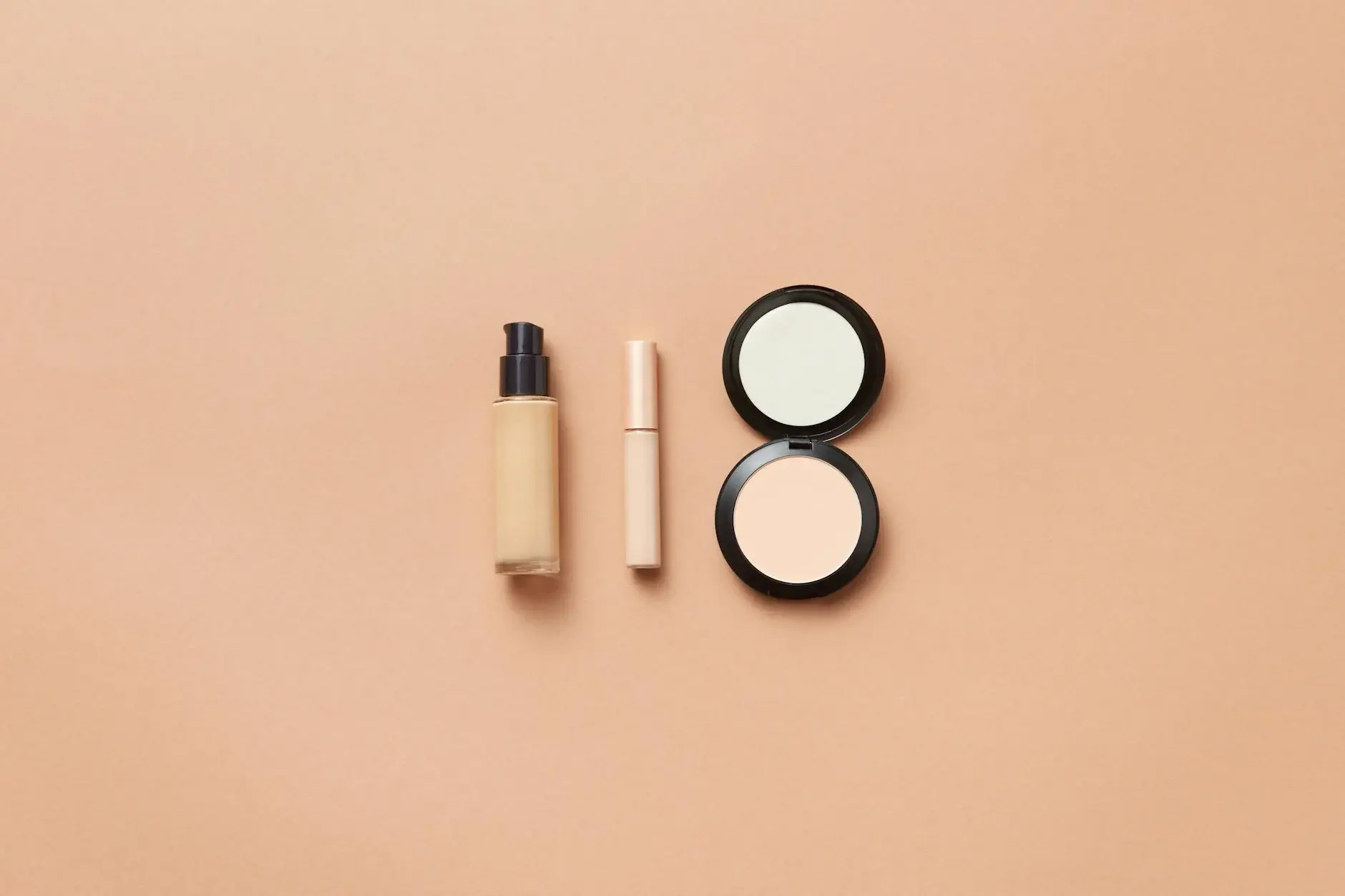
Foundation (warm undertone)
Foundation with golden or warm olive undertones; never pink-based.
Why we picked it: Warm-leaning neutrals read cleanest on Deep Autumn skin. Medium-to-full coverage suits the saturation.
Shop on AmazonDeep Autumn combines warm undertones with depth and richness. Your coloring is dramatic and striking, and it comes alive in saturated, warm hues like olive green, burgundy, and dark teal.
Deep Autumn is a warm, deep color season defined by rich, saturated earth tones. The best colors include olive green, burgundy, dark teal, burnt sienna, and forest green. Warm gold jewelry and chocolate brown neutrals pair naturally with Deep Autumn coloring. This season is also called Dark Autumn.
Deep Autumn (also called Dark Autumn) is the deepest, most intense season in the Autumn family. Where Soft Autumn leans muted and Warm Autumn leans golden, Deep Autumn pulls toward richness and saturation. Think spiced wine, aged leather, moss after rain. Your coloring has a weight and warmth to it that lighter colors simply cannot match.
This matters for your wardrobe because the wrong colors will make you look washed out or tired, while the right ones bring out the warmth in your skin and the depth in your eyes. Deep Autumn is actually one of the easier seasons to dress well because your palette is full of wearable, sophisticated colors that translate across casual and formal settings.
If you took our color analysis quiz and landed here, you are likely someone with dark hair, warm-toned skin, and eyes that read rich and deep. Your natural coloring already does a lot of the work. The goal is not to compete with it but to complement it.
Deep brown, dark hazel, olive green, or warm black-brown. Your eyes often have golden or amber flecks visible in direct light. The key is depth paired with warmth.
Ranges from golden beige and warm olive to caramel, bronze, and deep brown. The common thread is a warm or neutral-warm undertone with a yellow or golden base rather than a pink or blue one.
Dark brown to black, often with natural warmth showing as auburn, chestnut, or mahogany undertones. Even if your hair reads as very dark, you will usually notice reddish or golden tones in the sunlight.
Medium to high contrast between your features. Your hair and eyes are similarly dark, while your skin provides the lighter element. This depth is the defining trait that separates you from other Autumn subtypes.
Every color season is defined by three dimensions: hue (warm or cool), value (light or dark), and chroma (muted or saturated). Deep Autumn is warm in hue, dark in value, and medium-high in chroma. This combination means your best colors are pigmented, grounded, and never washed out.
Warm. Your palette leans toward golden, yellow-based undertones. This is why earth tones and spice shades look so natural on you, and why icy blues and cool silvers feel off.
Deep. Low lightness is the defining trait of this season. Your best colors have weight and presence. Light pastels will compete with your natural depth instead of supporting it.
Medium to high saturation. Unlike Soft Autumn, your colors are not dusty or muted. They are rich and saturated, though not as electric as a Spring or Winter palette.
These are your best neutrals for basics and building outfits.
Use these colors for pops of color in accessories or statement pieces.
Your palette answers what to wear. Your body shape answers where to put it. Pick your shape below and the same Deep Autumn colors get placed on your lines. The choice is remembered on this device only.
Not sure which one you are? The body shape calculator works it out from three measurements in under a minute.
Best Metal: Gold, rose gold, brass
Each card opens an Amazon search filtered by Deep Autumn tones — deep brick red, warm berry, spiced plum, bronze, olive, warm brown. Rich, saturated warm shades.
Affiliate disclosure: As an Amazon Associate, DiscoverFashions earns from qualifying purchases. We only feature products we genuinely believe will help our readers.
Foundation with golden or warm olive undertones; never pink-based.
Why we picked it: Warm-leaning neutrals read cleanest on Deep Autumn skin. Medium-to-full coverage suits the saturation.
Shop on Amazon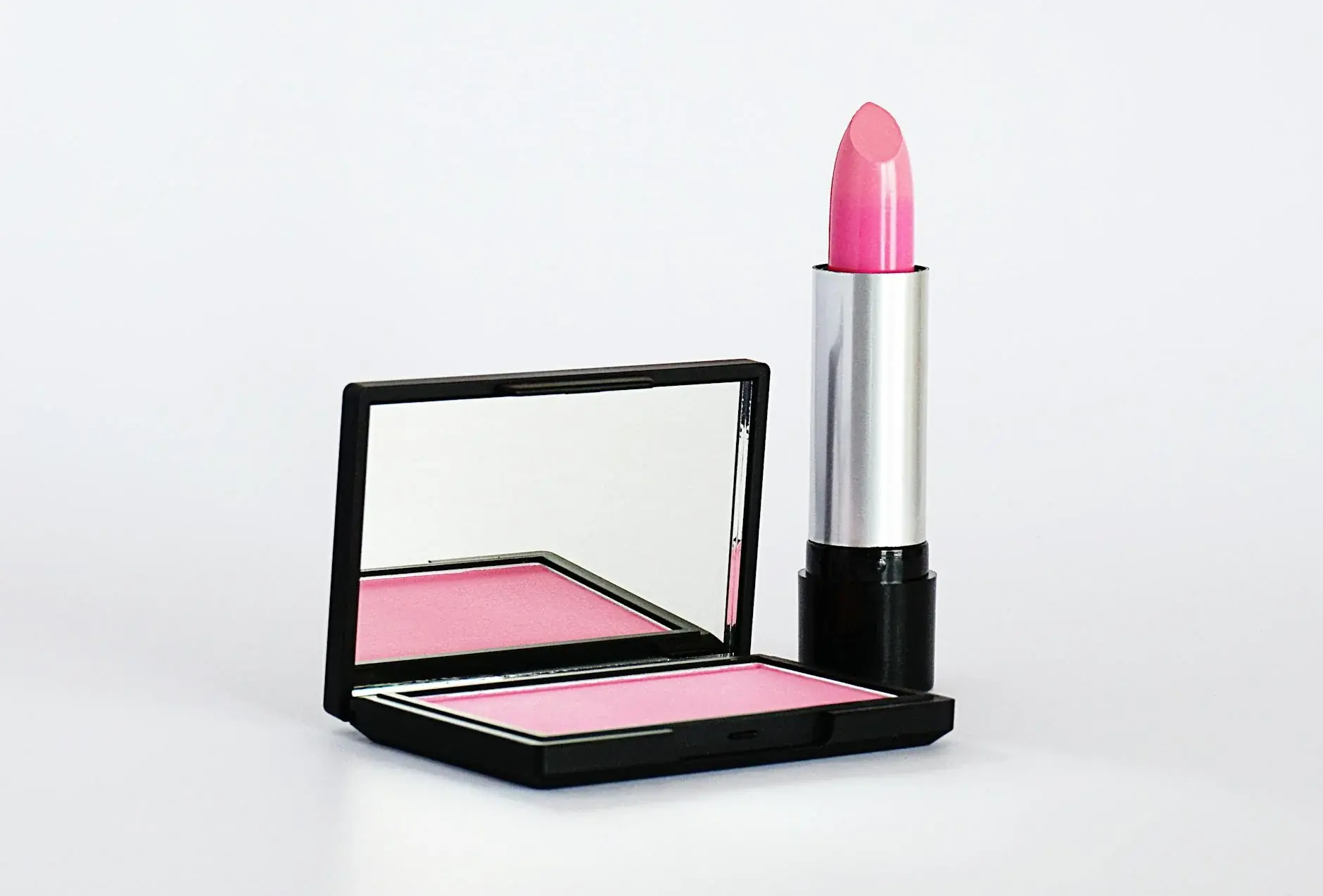
Deep peach or warm brown blush that mimics a natural flush.
Why we picked it: Matte cream or powder; warm brown adds depth without warmth that goes orange.
Shop on Amazon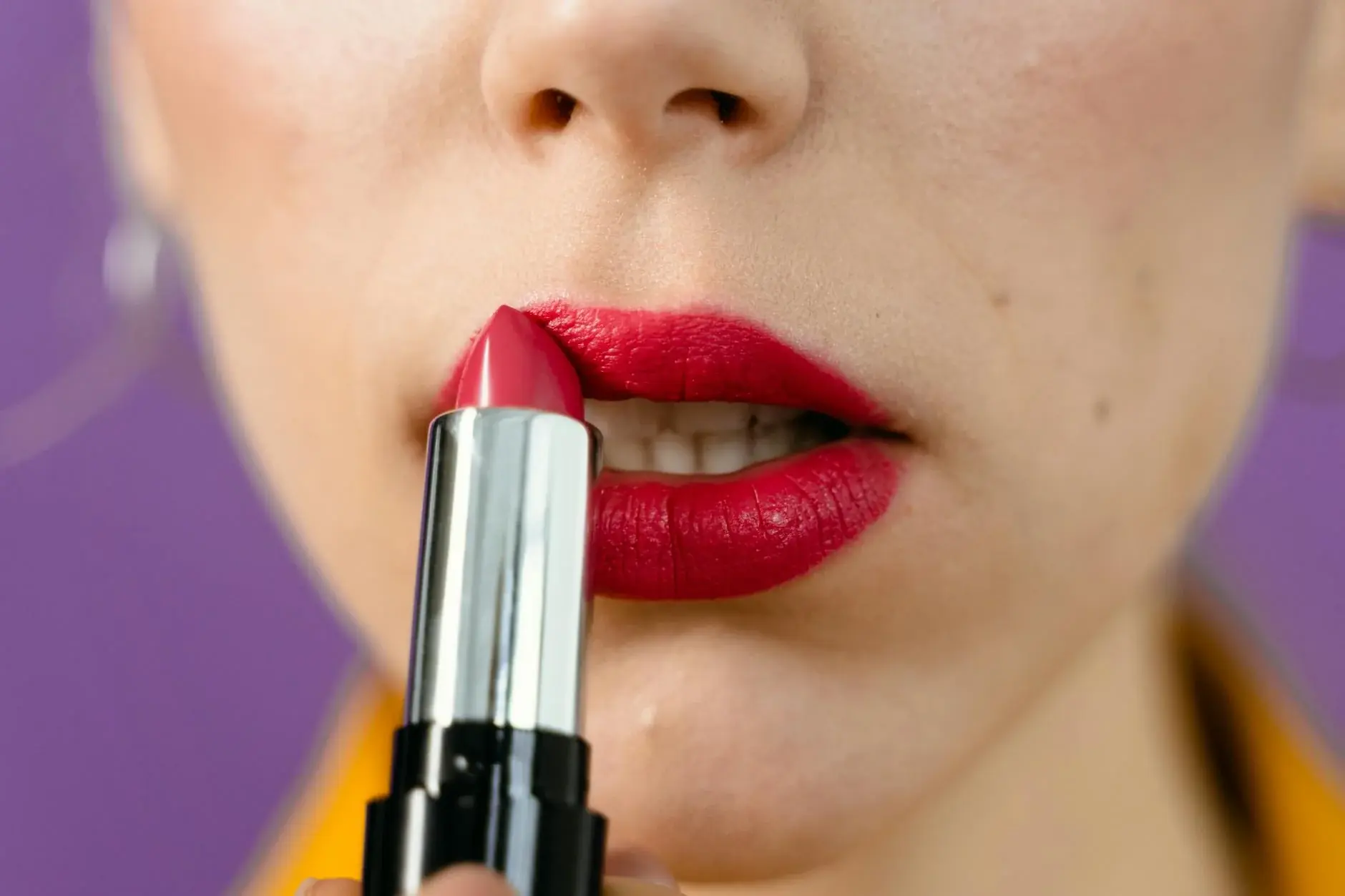
Deep brick red, warm berry, or spiced plum lipstick.
Why we picked it: Matte or satin finishes; saturated formulas read more polished than glossy on Deep Autumn coloring.
Shop on Amazon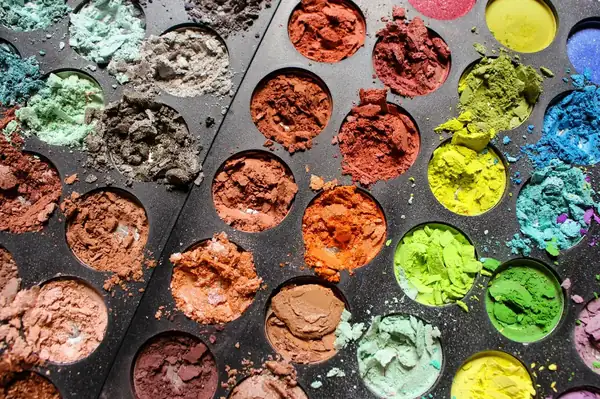
Bronze, olive, and warm brown shadows for everyday; deep burgundy for evening.
Why we picked it: Look for palettes leaning warm and slightly muted, with one or two deep accents (burgundy, dark teal).
Shop on Amazon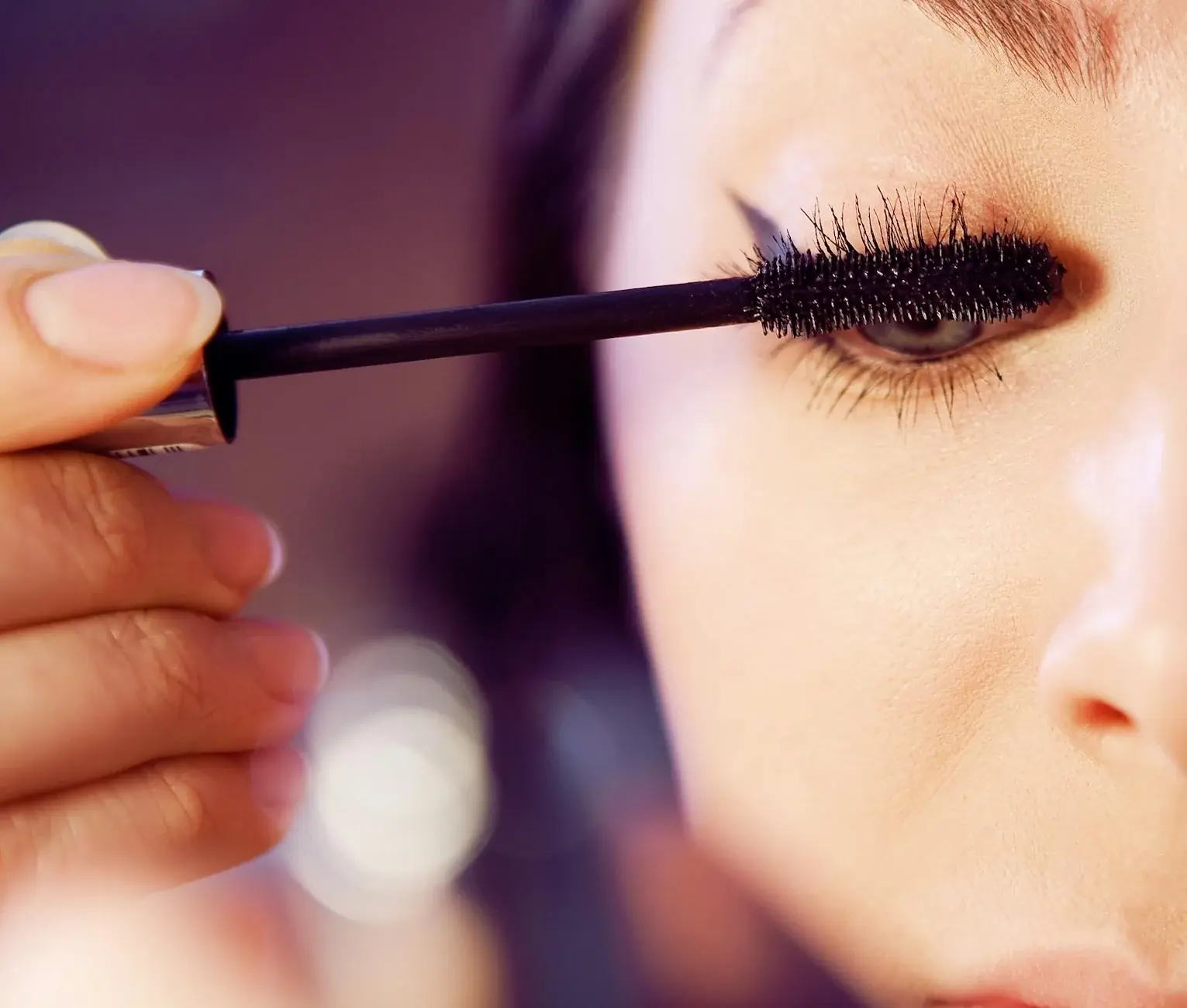
Black or dark brown mascara paired with warm brown eyeliner.
Why we picked it: Dark brown reads slightly softer than jet black against the warm coloring; either works.
Shop on AmazonDeep Autumn and Deep Winter share one thing: depth. Both seasons wear dark, saturated colors well. But the difference is temperature. Deep Autumn is warm, Deep Winter is cool.
In practice, this means Deep Autumn reaches for olive, rust, terracotta, and warm brown, while Deep Winter gravitates toward navy, cool burgundy, emerald, and pure black. The easiest test: hold a warm gold accessory and a silver one against your face. If gold looks more natural, you are likely on the Autumn side.
Another giveaway is how you wear black. Deep Winter looks sharp in pure black. Deep Autumn can pull off black, but warm black or very dark chocolate brown tends to look even better.
No color palette exists in isolation. You can occasionally borrow from neighboring seasons for more variety.
Warm Autumn shares your golden undertones but with less depth. You can borrow their lighter warm tones like pumpkin, golden yellow, and warm tan for summer months when you want something less heavy.
Deep Winter shares your depth and intensity. You can occasionally borrow their darker jewel tones like deep emerald or dark plum, as long as the shade leans slightly warm rather than icy.
These celebrities are Deep Autumns you can look to for color inspiration:
Antique gold, brass, copper, and bronze are your strongest metals. Rose gold also works well. If you prefer a lighter metal, opt for warm gold over bright silver. Brushed or matte finishes tend to suit Deep Autumn better than high-shine.
Carnelian, garnet, tiger eye, amber, and warm-toned emerald work beautifully. Dark topaz and deep citrine are also strong choices. Stones with visible warmth and depth will complement your coloring naturally.
Tortoiseshell is practically made for Deep Autumn. Dark brown, warm olive, and burgundy frames are also reliable options. Avoid cool silver or bright white frames that create too much contrast with your warm coloring.
Silk scarves in deep paisley prints or rich color block patterns work well. For bags, warm brown leather, olive, or burgundy are versatile choices that anchor your outfits without competing for attention.
Work meetings and professional settings
Evening dinners and formal events
Casual outings and weekend plans
Date night and cocktail events
Holiday gatherings and seasonal celebrations
Travel, outdoor events, and relaxed weekends
Yes, and better than other Autumn subtypes. Your natural depth means black does not overpower you the way it might overpower a Soft Autumn. That said, warm black or very dark chocolate brown will often look slightly more harmonious than pure black. If you reach for black regularly, try pairing it with a warm-toned scarf or gold jewelry to keep the overall look cohesive.
They are the same season. "Deep Autumn" and "Dark Autumn" are two names for the identical color palette. The terminology varies depending on which color analysis system you use, but the recommended colors, characteristics, and styling guidance are the same.
Both seasons share depth and intensity, but they differ in temperature. Deep Autumn is warm-toned and looks best in olive, rust, terracotta, and warm brown. Deep Winter is cool-toned and suits navy, cool burgundy, emerald, and icy accents. The simplest test is holding gold versus silver jewelry against your face. Gold typically looks more natural on Deep Autumn.
Your strongest colors are dark olive, burgundy, dark teal, rust, forest green, burnt sienna, and deep tomato red. These are all warm-toned and heavily saturated. Deep Autumn can handle more color intensity than Soft or Warm Autumn. Pair bold colors with warm gold accessories to tie the look together.
Look for warm-toned products. Lipstick in brick red, warm berry, or spiced plum. Eyeshadow in bronze, warm espresso, deep olive, or burgundy. Blush in warm peach or soft brown. Avoid cool pink tones and anything with a blue or ashy base. Your coloring supports more dramatic makeup than lighter seasons.
Deep Autumn handles saturated colors better than any other Autumn subtype. Rich emerald, deep turquoise, and vibrant rust all work. The key is keeping them warm. Neon shades, icy pastels, and cool-toned brights will clash with your natural warmth and depth.
Chocolate brown, camel, olive, deep cognac, and warm charcoal are your go-to neutrals. Cream works as your light neutral. Avoid cool gray and stark white. Black is acceptable given your depth, but pairing it with warm tones keeps the overall look more cohesive.
Antique gold, brass, copper, and bronze are your best metals. The warm patina of these metals matches your undertones naturally. Rose gold also works. Avoid bright polished silver or platinum, which can create a cool disconnect. For gemstones, look at carnelian, garnet, tiger eye, amber, and warm-toned emerald.
Soft Autumn sits between Autumn and Summer in the 12-season color analysis system. Your coloring is muted and warm, but gentler than the other Autumn subtypes. Dusty earth tones, warm grays, and low-contrast color combinations are where you look most at home.
Learn MoreWarm Autumn is the warmest of the Autumn seasons with rich, golden undertones. You look stunning in deep, warm earth tones that complement your natural warmth.
Learn MoreKnowing your palette is step one. Translate it into clothing with a seasonal capsule, or refine the fit using your body shape.
Subscribe for personalized color palettes and styling tips
Free weekly updates. Unsubscribe anytime.