What to Wear to an Interview
The safest interview outfit sits one notch above the everyday dress code of the place you want to work. That single rule handles most of the guesswork. This guide shows you how to read a company’s culture, what women and men can wear at each level, and how to keep the look polished from the first handshake to the last question.
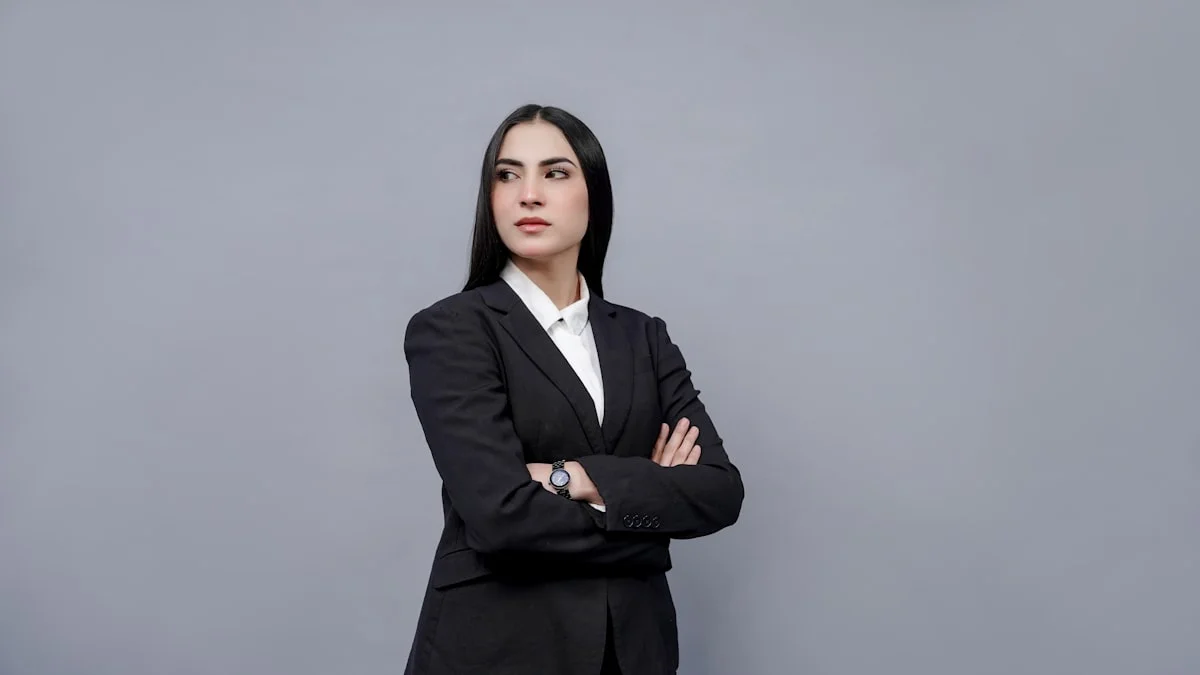
For a job interview, dress one level above the company’s everyday attire. In most offices that means business casual: dress pants or a knee-length skirt with a blouse, or a collared shirt with chinos. For formal fields like law and finance, wear a tailored suit. Keep everything clean, pressed, and well-fitted, and go light on scent and accessories.
What to Wear to an Interview
For Women
- A tailored blazer over a blouse or a simple sheath dress
- Dress pants or a knee-length pencil skirt
- A button-down or polished top in a calm color
- Closed-toe pumps, loafers, or low heels
- Minimal jewelry: studs, a thin necklace, a watch
For Men
- A suit for formal fields, or a blazer with dress pants for business casual
- A collared button-down shirt, tucked in
- A conservative tie when the role calls for it
- Leather oxfords or loafers with a matching belt
- A neat, well-groomed finish head to toe
What to Avoid
- Jeans, shorts, T-shirts, and athletic wear (unless the workplace is confirmed very casual)
- Wrinkled, stained, or ill-fitting clothes
- Strong perfume or cologne that lingers in a small room
- Flip-flops, sneakers, and scuffed shoes
- Distracting jewelry, loud patterns, or very bold makeup
- Anything too revealing for a professional setting
Outfit Formulas That Work
Copy these piece-by-piece combinations, then adjust the color and fabric to suit the venue and season.
Business Professional — Women
- Navy or black skirt suit or pantsuit
- White or light blue button-down blouse
- Closed-toe black or navy pumps
- Stud earrings and a thin necklace
- Structured neutral handbag
Business Casual — Women
- Navy or black dress pants or a pencil skirt
- Blouse or polished knit top
- Optional blazer or cardigan
- Flats or low heels
Business Professional — Men
- Dark gray, navy, or charcoal suit
- White or light blue dress shirt
- Solid or subtly patterned tie
- Black oxfords and a matching belt
Business Casual — Men
- Navy or charcoal chinos or dress pants
- Collared button-down shirt, tucked
- Optional blazer or fine-knit sweater
- Loafers or oxfords
Dressing by Season
Warm Weather
Reach for lighter fabrics such as cotton blends or a structured linen suit, and keep the silhouette crisp. Closed-toe shoes still read as more professional than sandals. A blazer you can carry and slip on before you walk in keeps you polished without overheating on the way there.
Cold Weather
Layer a wool blazer or a fine-knit sweater under your coat, and choose heavier suiting in dark tones. Leave the bulky outerwear and scarf at reception rather than wearing them into the room. Weather-appropriate boots are fine for the commute if you swap into cleaner shoes on arrival.
Not Sure About the Dress Code?
Business casual is the most common interview standard. Our business casual dress code guide breaks down exactly where the line sits so you can match it and then dress one step above. Read the business casual dress code guide, or decode any invitation wording with our free Dress Code Decoder.
Dressing for Your Body Shape
A confident interview outfit is one that fits you properly and stays put while you sit, gesture, and lean in. Tailoring matters more than price. Here is how to pick a professional silhouette that works with your proportions.
Hourglass Shape
A single-button blazer and a pencil skirt or straight trousers follow your waist without pulling. A wrap dress under a jacket works too.
Pear Shape
A structured blazer with wide-leg or straight trousers balances your proportions and keeps the focus on a polished top half.
Apple Shape
A longline blazer over a straight-leg trouser creates a clean vertical line. An open jacket over a smooth top feels comfortable and sharp.
Rectangle Shape
A nipped-in blazer or a belted sheath dress adds definition at the waist for a tailored, professional finish.
Frequently Asked Questions
How formal should I dress if the workplace is casual?
Dress one level above the everyday office attire. Research the company through its website and social media photos. When you cannot tell, business casual or business professional is the safe default. It is easier to be slightly overdressed and relaxed than to arrive underdressed and second-guessing yourself.
Can I wear jeans to a job interview?
Generally no, especially for corporate or client-facing roles. Dark, neat jeans may work only when you have confirmed the workplace is very casual, and even then you should pair them with an elevated top and clean shoes. For most interviews, dress pants or a skirt read as more prepared.
What should a woman wear to an interview?
A tailored blazer with dress pants or a knee-length skirt, worn over a simple blouse, suits most interviews. A sheath dress with a jacket is another reliable option. Choose calm colors like navy, gray, or black, add minimal jewelry, and finish with closed-toe pumps or low heels.
Should I wear a full suit to every interview?
Not always. A full suit is expected in formal fields such as law, finance, and consulting. In tech, creative, and startup environments, a blazer with trousers or a polished dress often fits better. Match the company culture, and when the field is conservative, choose the suit.
What about perfume, cologne, or strong scents?
Go very light or skip it entirely. Interview rooms are often small, and allergies and scent sensitivities are common. A subtle, clean impression works in your favor. The same applies to heavy makeup or anything that competes for attention during the conversation.
What colors are best for an interview outfit?
Navy, charcoal, gray, and black are dependable choices that read as professional. A white or light blue shirt keeps things crisp. You can add a single calmer accent color through a blouse or tie, but keep neon and busy patterns out of the picture so the focus stays on you.
More Occasion Guides
What to Wear to a Graduation
What to wear to a graduation as a guest: business casual outfit ideas for women and men, what to avoid, and tips for indoor and outdoor ceremonies alike.
Read guideWhat to Wear to a Funeral
What to wear to a funeral: conservative, respectful outfit ideas for women and men, which colors are appropriate, what to avoid, and tips for every season.
Read guideWhat to Wear to a Concert
What to wear to a concert: smart casual dress-code rules for women and men, how to dress for symphony versus casual venues, and comfort tips for every season.
Read guide