Business Casual Dress Code Guide (2026)
Business casual is the most widely adopted dress code in workplaces today. Think of it as professional clothing without the suit and tie requirement. You want to look polished and work-ready while keeping things comfortable enough for a full day at the office. The definition varies by company and industry, so your first week is always about observing what your coworkers and managers actually wear.
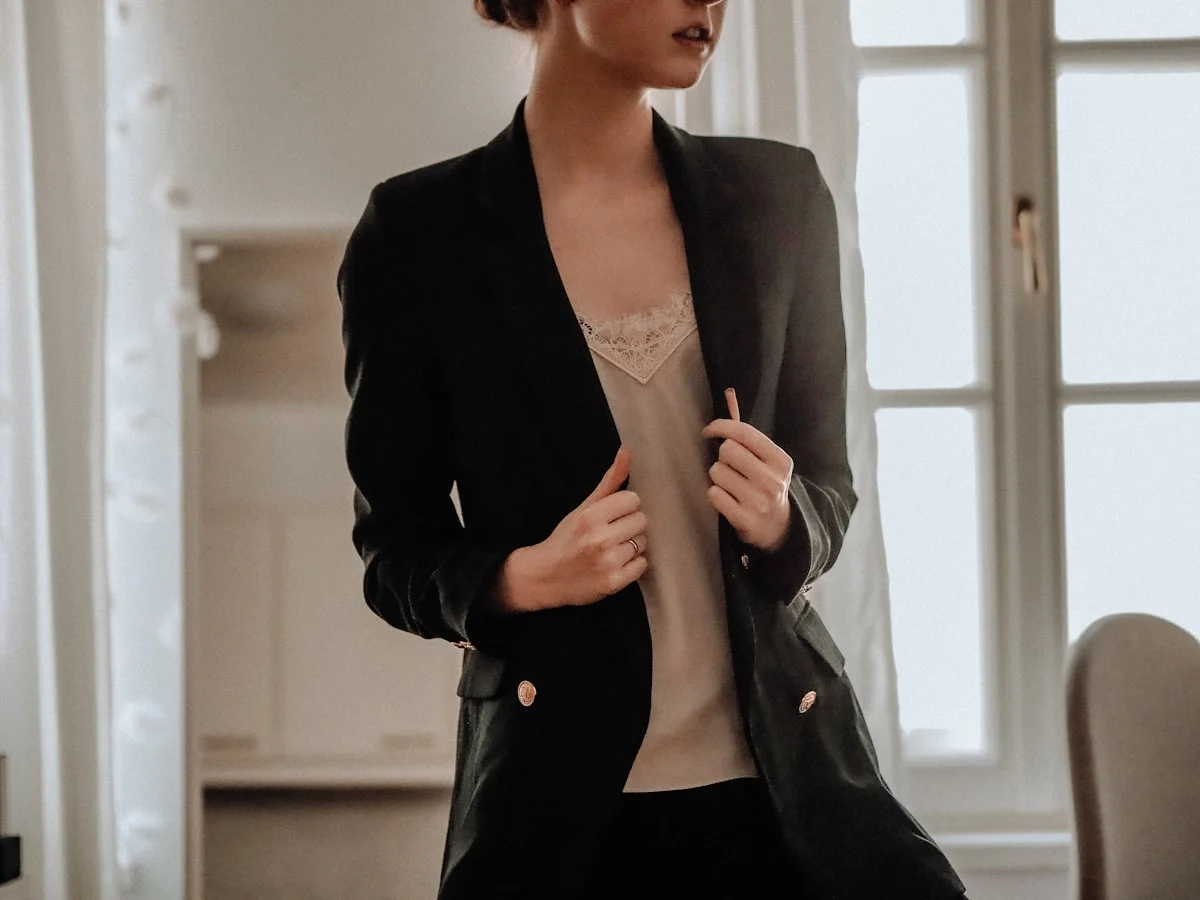
Business Casual business casual is the most widely adopted dress code in workplaces today. Think of it as professional clothing without the suit and tie requirement. You want to look polished and work-ready while keeping things comfortable enough for a full day at the office. The definition varies by company and industry, so your first week is always about observing what your coworkers and managers actually wear. Not sure what to wear? Our free Dress Code Decoder helps you decode any dress code in seconds.
When to Wear Business Casual
Business Casual for Women
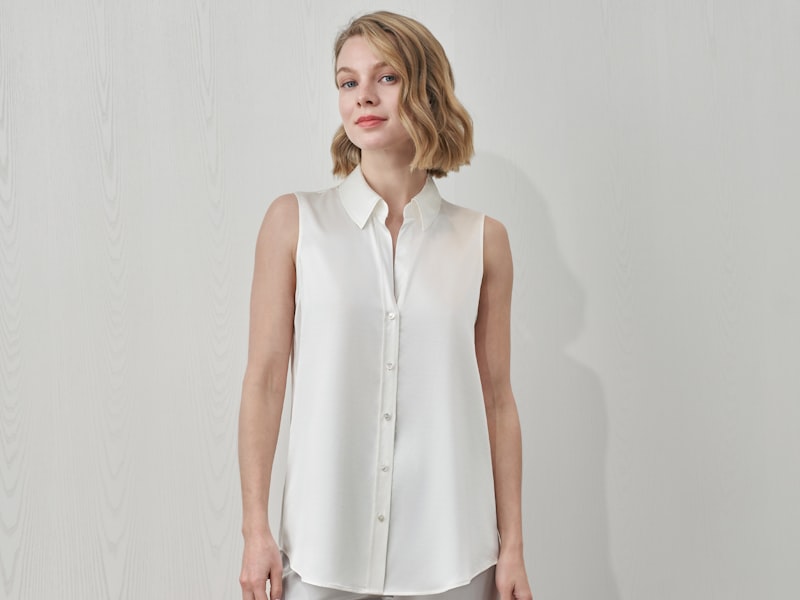
Essential Pieces
- Blouse or structured top in silk, cotton, or a polyester blend
- Tailored trousers or chinos (wide-leg cuts are popular in 2026)
- Knee-length or midi pencil skirt
- Unstructured or oversized blazer for layering
- Cardigan in merino wool or cashmere blend
- Wrap dress or shift dress in a solid color or subtle pattern
- Dark wash straight-leg or wide-leg jeans (if your company allows denim)
- Knit sweater layered over a collared shirt
- Tailored jumpsuit in a neutral tone
Recommended Shoes
- Pointed-toe loafers or ballet flats
- Low-heeled pumps or kitten heels
- Leather ankle boots with a low block heel
- Clean minimalist sneakers (office dependent)
- Slingback flats in neutral colors
Accessories
- Structured tote bag or leather handbag
- Simple watch or delicate bracelet
- Stud earrings or small drop earrings
- Lightweight silk scarf for layering
- Leather belt to define the waist
Avoid
- Ripped, distressed, or heavily faded jeans
- Flip flops, rubber sandals, or beach shoes
- Athletic shorts or casual shorts
- Spaghetti strap tops without a layer over them
- Gym wear, yoga pants, or athleisure sets
- Mini skirts or anything excessively short
- Graphic tees or oversized novelty prints
Business Casual for Men

Essential Pieces
- Oxford or button-down shirt (no tie needed)
- Polo shirt in a solid color or subtle pattern
- Chinos or dress pants in navy, grey, or khaki
- Unstructured blazer or sport coat for layering
- Crew-neck or V-neck sweater over a collared shirt
- Dark wash jeans without rips or fading (if your company allows denim)
- Henley shirt layered under a blazer for a modern look
Recommended Shoes
- Leather loafers (penny or tassel)
- Derby shoes or brogues
- Clean leather sneakers with minimal branding
- Chelsea boots in leather or suede
- Monk strap shoes for a slightly dressier option
Accessories
- Leather belt that matches your shoes
- Simple analog watch
- Leather messenger bag or slim briefcase
- Subtle pocket square when wearing a blazer
- Quality sunglasses for outdoor events
Avoid
- Athletic shorts or cargo shorts
- T-shirts with large logos or graphics
- Running shoes, trainers, or athletic sneakers
- Flip flops or rubber sandals
- Tank tops or sleeveless shirts
- Cargo pants with bulky pockets
- Wrinkled or visibly stained clothing
Pro Tips for Business Casual
- Keep a blazer at your desk. It turns almost any business casual outfit into something meeting-ready in seconds.
- Watch what your manager wears. That is usually the unofficial ceiling for how casual you can go.
- Invest in two good pairs of shoes (one dark, one lighter). They anchor every outfit.
- Stick to dark, well-fitted denim if jeans are allowed. Light wash, rips, and distressing never belong in business casual.
- Build around 5 to 7 core pieces in neutral colors. Navy, grey, white, and black mix with almost everything.
- Pay attention to fabric. Cotton, wool blends, and linen read professional. Polyester blends can look cheap under office lighting.
- When in doubt about a piece, ask yourself: would I wear this to meet a client? If the answer is no, leave it at home.
- Layer intentionally. A structured blazer or cardigan can dress up a simple outfit without feeling overdone.
How to Dress Business Casual
Business casual sits right in the middle of the formality spectrum. You are not wearing a full suit, but you are also not wearing what you would throw on for a weekend grocery run. The whole idea is looking pulled-together without looking stiff.
For women, that usually means a blouse or structured top with tailored trousers, a midi skirt, or a smart dress. You do not need a blazer every day, but having one handy is useful when meetings pop up. In 2026, wide-leg trousers and oversized blazers have largely replaced the slim-fit silhouettes that dominated for the past decade. Earth tones like olive, caramel, and chocolate brown are everywhere in workwear right now, alongside the classic navy and grey.
For men, the foundation is a collared shirt with chinos or dress pants. Ties are almost never expected in business casual. A blazer is optional but it instantly adds polish. Crew-neck sweaters have taken over from V-necks as the go-to knitwear layer for 2026. If your office allows denim, stick to dark washes with a clean, tailored fit.
The single most important factor in business casual is fit. A well-fitted $40 shirt looks better than an ill-fitting $200 one. Clothes should follow your body's natural lines without pulling, bunching, or sagging. If something does not fit well off the rack, a tailor can adjust it for $10 to $25, and the difference is worth every dollar.
One thing that catches people off guard: business casual varies wildly between industries. A tech startup in Austin and a consulting firm in New York both call their dress code "business casual," but the actual expectations look very different. Always take cues from the people around you, especially in your first couple of weeks.
Seasonal Business Casual Guide
Summer Events
Lightweight fabrics are your best friend in warmer months. Linen-blend trousers, cotton blouses, and breathable knits keep you comfortable without sacrificing professionalism. Polo shirts become more acceptable for men. Women can opt for sleeveless blouses layered under a light cardigan for air-conditioned offices. Stick to lighter colors like stone, sky blue, and soft pink. Closed-toe flats or loafers work better than sandals in most offices. If your workplace runs cold from the AC, keep a light blazer or wrap at your desk.
Winter Events
Layering is the key to winter business casual. Start with a fitted base layer, add a collared shirt or blouse, and top it with a sweater or cardigan. Blazers in heavier wool fabrics add warmth and structure. Dark colors like navy, charcoal, and burgundy work naturally in cooler months. Ankle boots and Chelsea boots are practical and polished. Avoid bulky puffer jackets inside the office. Instead, wear your heavy coat to and from work and switch to a lighter layer indoors. Cashmere or merino wool sweaters are a worthwhile investment for both comfort and appearance.
Color Guide for Business Casual
Navy, grey, white, and black form the foundation of any business casual wardrobe. These four colors mix with each other and with almost everything else you own.
Beyond the basics, earth tones are strong in 2026 workwear: olive green, caramel, chocolate brown, and warm beige. For women, burgundy, cobalt blue, and dusty rose add variety without feeling too bold. For men, light blue shirts remain the most versatile piece after white.
A practical rule: keep bottoms in neutral or dark shades, and let your tops carry the color. A navy trouser works with a white shirt on Monday, a light blue on Tuesday, and a patterned blouse on Wednesday. That is three outfits from one pair of pants.
Avoid neon colors, large-scale prints, or anything that would draw attention across a conference room. The goal is looking professional and intentional, not invisible.
Best Fabrics for Business Casual Events
Cotton is the workhorse of business casual. It breathes well, irons easily, and holds its shape through long work days. Look for poplin or oxford weave shirts.
Wool blends (especially merino) work year-round. Lightweight merino sweaters regulate temperature well in both heated winter offices and over-air-conditioned summer ones. They also resist wrinkles better than most fabrics.
Linen is excellent for summer but wrinkles easily. Linen-blend fabrics (linen mixed with cotton or polyester) give you the airy feel without looking rumpled by noon.
Silk blouses and scarves add a polished touch for women but require careful maintenance. Many "silk-look" polyester blends offer a similar drape with easier washing.
Avoid fabrics that look too casual: heavy denim, jersey knit (unless in a structured blazer), fleece, or anything with visible pilling. Synthetic fabrics can also trap odor and show sweat stains more easily, so check the fabric content label before buying workwear.
Business Casual for Your Body Shape
Every body shape can look and feel amazing in business casual attire. Find tips tailored to your proportions.
Hourglass Shape
Wrap tops and fitted button-downs work beautifully because they follow your naturally defined waist. Pencil skirts and tailored trousers complement your balanced proportions. A belt at the waist ties everything together. Avoid boxy shapes that obscure your waistline.
Pear Shape
Structured tops with details like ruffles, wide collars, or statement necklines draw the eye upward and create balance. Dark straight-leg or wide-leg trousers in navy or charcoal create a long, clean line on the lower half. A-line skirts are a great alternative.
Apple Shape
Tunic blouses and longline cardigans create a sleek vertical line through the torso. V-neck tops lengthen the neckline beautifully. Pair with slim or straight-leg trousers and pointed-toe shoes to elongate your silhouette. Empire waist dresses are also a strong option.
Rectangle Shape
Layering is your secret weapon. Structured blazers and belted cardigans create definition at the waist. Peplum tops add curves, and patterned tops or textured fabrics add visual interest. Try pairing a fitted blazer with wider trousers for a balanced look.
Inverted Triangle Shape
Scoop necklines and V-necks soften broader shoulders naturally. Wide-leg trousers and full skirts balance your silhouette by adding volume to the lower half. Avoid heavy shoulder pads or structured shoulder details. Soft, draping fabrics on top work well.
Common Mistakes to Avoid
- Reading "casual" as permission to wear anything comfortable. The "business" part matters.
- Wearing running shoes or athletic sneakers. Sneakers are fine only if they are clean, leather, and minimal.
- Showing up in wrinkled or stained clothing. A quick iron or steam makes a real difference.
- Going too casual on day one. Always lean slightly formal until you have read the room.
- Wearing heavy cologne or perfume. Scent-free or very subtle is the safest choice in shared offices.
- Choosing jeans before confirming your company allows them. Some offices still consider denim too casual.
- Ignoring fit. Oversized or too-tight clothing looks less professional regardless of the piece itself.
Business Casual vs Smart Casual
These two dress codes are often confused. Here's how they differ:
| Category | Business Casual | Smart Casual |
|---|---|---|
| Formality Level | Level 3: polished and office-appropriate, blending professionalism with comfort | Level 2: relaxed yet intentional, suited for social and semi-professional settings |
| Tops/Shirts | Collared button-downs, blouses, polo shirts, and knit sweaters layered over collared shirts | Elevated casual tops, nice t-shirts under blazers, henley shirts, and silk blouses |
| Bottoms | Dress pants, chinos, tailored trousers, or knee-length skirts. Dark jeans only if the office permits | Dark jeans are standard, along with tailored trousers, midi skirts, and casual dress pants |
| Shoes | Loafers, ballet flats, low-heeled pumps, ankle boots, or derby shoes | Clean sneakers, heeled sandals, mules, desert boots, and leather sneakers are all acceptable |
| Accessories | Professional: structured handbags, leather belts, watches, and subtle jewelry | Trendier: statement jewelry, crossbody bags, silk scarves, sunglasses, and fashion-forward pieces |
| Typical Setting | Office environments, team meetings, business lunches, and professional networking events | Nice restaurants, art galleries, weekend brunch, first dates, and casual Friday at work |
Business Casual vs Business Professional
| Category | Business Casual | Business Professional |
|---|---|---|
| Formality Level | Level 3: no suit required, collared shirt with chinos or dress pants | Level 4: full matching suit expected, tie often required for men |
| Tops/Shirts | Button-downs, polos, blouses, sweaters over collared shirts | Dress shirts only, typically white or light blue. Women: formal blouses or silk tops |
| Bottoms | Chinos, dress pants, tailored trousers, skirts. Dark jeans sometimes okay | Suit trousers or matching skirt only. Jeans are never appropriate |
| Shoes | Loafers, flats, ankle boots, clean leather sneakers | Formal dress shoes, heels, or polished leather oxfords only |
| Typical Setting | Most modern offices, team meetings, casual client meetings | Client presentations, board meetings, law firms, finance, and formal corporate environments |
Business Casual Shoes: The Complete Guide
Your shoes set the tone for an entire outfit. In business casual settings, footwear is where people most often get it wrong, so getting it right gives you an easy advantage.
For women, the safest options are pointed-toe loafers, ballet flats, low-heeled pumps (2 to 3 inches), and ankle boots with a modest heel. Kitten heels have made a strong comeback in 2026 and work well for days when you want height without discomfort. Slingback flats are another option that reads polished without being formal.
For men, leather loafers (penny or tassel) are the most versatile business casual shoe. Derby shoes and brogues work for slightly more formal days. Chelsea boots in leather or suede are good in cooler months. Clean leather sneakers with minimal branding are accepted in most offices, especially in tech and creative fields.
What about sneakers specifically? This comes up a lot. Clean, minimalist leather sneakers in white, black, or neutral tones are generally fine in most business casual workplaces. Think simple designs with no visible logos, no chunky soles, and no bright colors. Athletic sneakers, running shoes, and anything you would wear to the gym do not belong in a business casual office, no matter how expensive they are.
The one rule that applies everywhere: avoid flip flops, rubber sandals, and open-toe shoes unless your specific office culture clearly allows them. When in doubt, closed-toe leather or suede shoes in neutral colors (black, brown, tan, or navy) are the safest bet.
Business Casual by Industry
What counts as business casual changes significantly depending on where you work. Here is what to expect across common industries.
Tech and startups lean toward the casual end. Jeans are typically fine, clean sneakers are standard, and hoodies may even appear in some companies. But even here, avoid athletic wear and anything visibly worn out.
Finance and banking sit closer to business professional. Even when the dress code says "business casual," most people wear dress pants, collared shirts, and leather shoes. Jeans are rarely acceptable. When in doubt, dress slightly more formal than you think is necessary.
Creative industries (advertising, design, media) allow the most personal expression. You can experiment with patterns, colors, and trendier pieces. Just make sure you still look intentional and put-together, not like you grabbed random items from the floor.
Healthcare and education vary by role. Client-facing or patient-facing staff tend to dress more conservatively. Back-office roles have more flexibility. Always check your specific company policy.
Legal and consulting firms typically expect business professional on client days and business casual otherwise. Keep a blazer and dress shoes at the office for the days you need to shift gears quickly.
Build a Business Casual Capsule Wardrobe
You do not need 50 pieces to dress well for work every day. A focused capsule wardrobe of 12 to 15 items gives you enough variety for a full work week without decision fatigue.
Start with bottoms: two pairs of trousers (one navy, one grey or khaki) and one dark pair of jeans if your office allows them. These three bottoms anchor every outfit.
Add tops: three collared shirts or blouses (white, light blue, and one pattern or color), two sweaters or knit tops (one crew-neck, one V-neck or cardigan), and one structured blazer. That gives you six different top options.
Complete the set with two pairs of shoes (one darker, one lighter), a quality leather belt, and a professional bag. For women, add a wrap dress or shift dress that works on its own or layered under a blazer.
With these 12 to 15 pieces, you have roughly 25 to 30 outfit combinations. That is more than enough for a month without repeating the exact same outfit.
The real trick is sticking to a cohesive color palette. When your tops and bottoms all work with each other, getting dressed takes about 3 minutes instead of 20. Our free Capsule Wardrobe Quiz can help you figure out which color palette and style combination works best for your body shape and preferences.
What to Wear to a Business Casual Interview
Job interviews are a special case. Even when the company says their dress code is business casual, you should dress one notch above what employees wear on a regular day.
For women: tailored trousers or a knee-length skirt paired with a blouse and a structured blazer. Stick to neutral colors like navy, grey, or black. Closed-toe shoes are a must. Keep jewelry simple and not distracting. A structured handbag or tote looks more professional than a crossbody or backpack.
For men: dress pants (not chinos) with a button-down shirt and a blazer. No tie is needed unless the company leans formal. Choose leather shoes over sneakers, even if the office allows them daily. A leather belt that matches your shoes shows attention to detail.
The goal is looking like you put thought into your appearance without overdoing it. Nobody expects a three-piece suit for a business casual interview, but showing up in jeans and a polo sends the wrong message about how seriously you take the opportunity.
After you get hired, spend the first two weeks observing what your coworkers actually wear before you start relaxing your own wardrobe. Every office has its own unwritten rules, and reading the room is the most important skill in navigating any dress code.
Frequently Asked Questions
What is business casual for women?
Business casual for women means blouses, sweaters, tailored pants, knee-length or midi skirts, and professional dresses. You skip the formal suit but still look polished and work-ready. Closed-toe shoes or nice flats are standard. Jeans are acceptable only if your specific company allows them.
What does business casual mean for men?
For men, business casual typically means a collared shirt (button-down or polo) with chinos or dress pants. Ties are not expected. A blazer or sport coat is optional but adds polish. Dark, well-fitted jeans are acceptable at some companies. Loafers, derby shoes, or clean leather sneakers round out the look.
Can I wear jeans to a business casual office?
It depends entirely on your workplace. Some business casual offices welcome dark, clean denim with no rips or distressing. Others consider any jeans too casual. Observe what your coworkers wear during your first weeks, or ask HR directly. When unsure, dress pants are always the safer choice.
What is the difference between business casual and smart casual?
Business casual is slightly more formal and office-focused. It usually requires collared shirts and dress pants or chinos. Smart casual is more relaxed and social, allowing nice t-shirts under blazers, jeans as a default, and trendier accessories. Business casual is for the workplace; smart casual is for dinners, galleries, and casual Fridays.
Can I wear sneakers with business casual?
Clean, minimalist leather sneakers in white or neutral colors are accepted in many business casual offices, especially in tech and creative industries. Athletic sneakers, running shoes, or sneakers with bold logos and bright colors are generally not appropriate. When in doubt, loafers or leather shoes are the safest option.
What shoes work for business casual?
Women: pointed-toe loafers, ballet flats, low-heeled pumps, kitten heels, and ankle boots. Men: leather loafers, derby shoes, Chelsea boots, and clean leather sneakers. Both should avoid flip flops, rubber sandals, and athletic shoes. Neutral colors (black, brown, tan) go with the most outfits.
How do I dress business casual for a job interview?
Lean slightly more formal than your typical business casual. For women: tailored trousers with a blouse and blazer, or a professional dress. For men: dress pants with a button-down shirt and a blazer. Skip the jeans even if the company normally allows them. First impressions matter, and you can always dress down once you have the job.
How do I build a business casual wardrobe on a budget?
Start with versatile basics: two pairs of dress pants (navy and grey), three collared shirts (white, light blue, and one pattern), one blazer, and one pair of quality leather shoes. These 7 pieces create 15 or more outfit combinations. Shop end-of-season sales and prioritize fit over brand names. A $15 tailoring adjustment makes inexpensive clothes look much more polished.
What should plus-size women wear for business casual?
The same principles apply to every body. Focus on fit and comfort: tailored trousers, structured blazers, wrap dresses, and V-neck blouses all work well across all sizes. Look for brands that offer extended sizing with the same fabric quality and design details. The key is clothes that follow your natural shape without pulling or bunching.
What are the biggest business casual mistakes to avoid?
The top mistakes: treating "casual" as permission for gym clothes, wearing wrinkled or stained items, choosing jeans when your office does not allow them, going too revealing on top, and wearing athletic sneakers instead of proper shoes. When you start a new job, dress slightly more formal for the first couple of weeks and adjust based on what you see around you.
Explore Other Dress Codes
Similar Dress Codes
This guide reflects business casual standards as of 2026. Dress codes vary between companies and industries. When in doubt about your specific workplace, ask your manager or HR department.