What Should I Wear Today?
Some days the hardest part of getting dressed is not the occasion, it is the weather. This guide skips the event-based rules and starts with temperature instead: what to layer on a cold morning, what to wear when it swings 20 degrees by afternoon, and how to stay cool without sacrificing polish in the heat. Pair it with your color season and body shape for outfits that work for the actual day you are having.
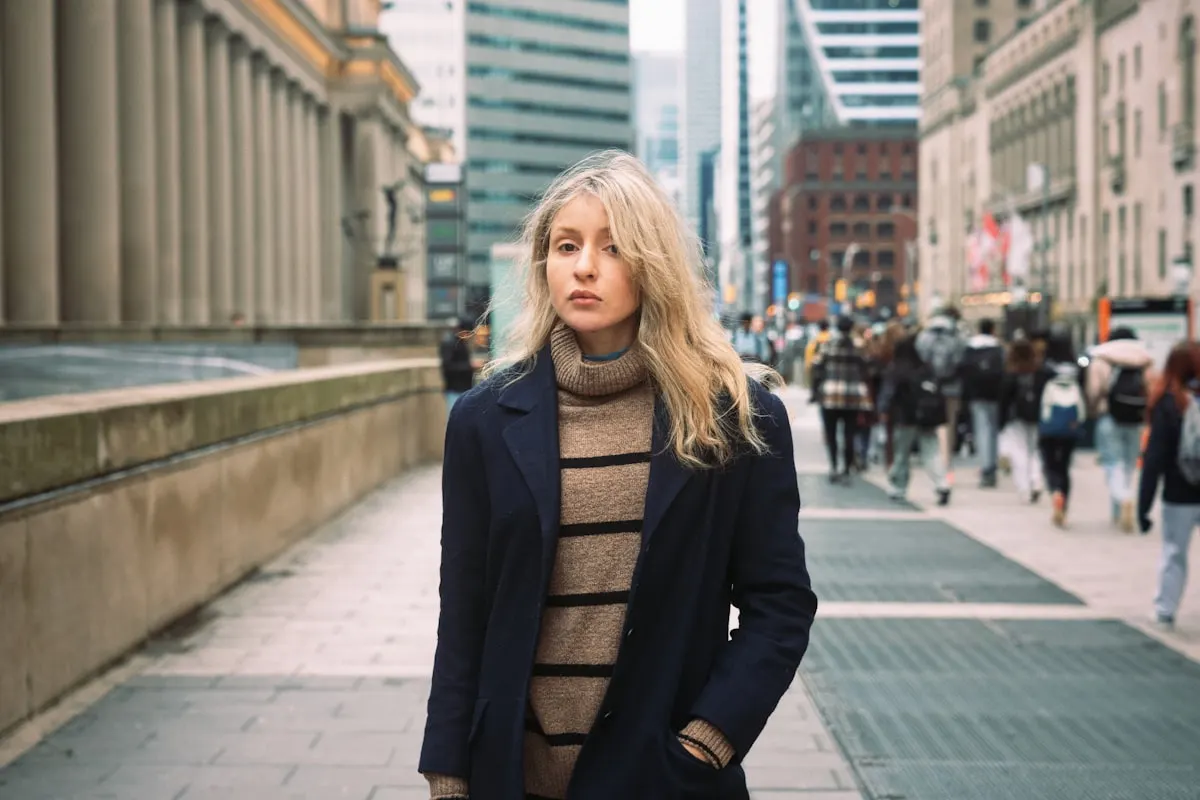
What you wear today should start with the temperature, not the calendar. Below 50°F, layer an insulated coat over a sweater and base layer with closed-toe boots. Between 50 and 70°F, a light jacket or cardigan over a tee or blouse with jeans or chinos covers most days. Above 70°F, breathable fabrics, shorter sleeves, and sun protection keep you comfortable, with a thin layer packed for air conditioning or an evening chill.
What to Wear to Today’s Weather
For Women
- A base layer or tee you can build up or strip down from as the temperature shifts
- One removable mid-layer: a cardigan, denim jacket, or light blazer
- Jeans, chinos, or a midi skirt that works with tights added or removed
- Shoes suited to the ground you will cover: boots for cold or wet, flats or sneakers for mild days
- A packable layer, scarf, or umbrella for whatever the forecast is not sure about
For Men
- A tee or button-down as the base layer
- A removable jacket, sweater, or hoodie for temperature swings
- Jeans or chinos suited to the season
- Shoes that match the terrain: boots in the cold or wet, sneakers or loafers when it is mild or warm
- A cap or sunglasses for full-sun days
What to Avoid
- Committing to one heavy layer with nothing to remove if the day warms up
- Dressy heels or sandals with no traction on wet or icy pavement
- Fabrics that trap heat on a genuinely hot, humid day
- Skipping a light layer for indoor air conditioning in summer
- Ignoring the color palette that suits your complexion, especially in muted winter light
- Dressing for the morning temperature and forgetting the afternoon swing
Outfit Formulas That Work
Copy these piece-by-piece combinations, then adjust the color and fabric to suit the venue and season.
Cold Weather (Below 50°F)
- Insulated coat or wool overcoat
- Turtleneck or sweater over a base layer
- Jeans or tailored wool trousers
- Sturdy boots, scarf, and gloves
Mild Weather (50-70°F)
- Light jacket or cardigan
- Tee, blouse, or button-down
- Jeans or chinos
- Comfortable flats or sneakers
Warm Weather (70°F+)
- Short-sleeve top or tank with a breathable fabric
- Shorts, a lightweight skirt, or wide-leg linen pants
- Sandals or breathable sneakers
- Sun hat and a packable layer for evening or air conditioning
Transitional Layering (Any Season)
- Base layer you can wear alone once it warms up
- One mid-layer that adds or removes easily, like a flannel or light knit
- An outer layer for the coldest part of the day
- Shoes that work whether it stays cool or warms up fast
Dressing by Season
Warm Weather
Above 75°F, reach for breathable, moisture-wicking fabrics like linen, cotton, and lightweight blends. Sleeveless tops, shorts, and airy skirts keep you cool, and sun protection, meaning sunscreen, a wide-brimmed hat, and sunglasses, matters as much as the outfit itself. Pack a thin layer anyway, since indoor air conditioning and a cooler evening can catch you off guard.
Cold Weather
Below 40°F, layering is not optional: an insulated jacket over a sweater and a base layer keeps you warm without adding bulk everywhere at once. Closed-toe shoes and weather-resistant fabrics handle wet sidewalks better than anything delicate. A bulky coat can overwhelm a smaller frame, so a more structured, belted style often reads warmer and better proportioned at the same time.
Not Sure About the Dress Code?
Most everyday dressing, once you have solved for the weather, lands somewhere around smart casual. Our smart casual guide shows how to keep any of these formulas looking put-together. Read the smart casual dress code guide, or decode any invitation wording with our free Dress Code Decoder.
Dressing for Your Body Shape
Weather decides your fabric and layers, but your body shape decides how those layers sit. A bulky winter coat can swallow a smaller frame, while a fitted or belted style keeps the same warmth with better proportion. Here is how to adjust the daily formulas above for your shape.
Hourglass Shape
A belted coat or a wrap cardigan keeps your waist defined even under heavy winter layers, and a fitted tee under an open shirt does the same in summer.
Pear Shape
A structured jacket or a brighter top balances your proportions in any season; pair it with straight-leg jeans or trousers rather than a bulky coat that adds width at the hip.
Apple Shape
An open, longline coat or cardigan creates a smooth vertical line in cold weather, and a relaxed, flowy top does the same when the temperature climbs.
Rectangle Shape
A belted coat, a cinched cardigan, or a tucked-in top adds definition at the waist no matter the season or the temperature.
Frequently Asked Questions
How do I know if I am underdressed or overdressed for today?
Check the forecast and dress for the low temperature plus a small buffer, since mornings and evenings often run cooler than the daytime high. Glance at what the people around you are wearing for context, whether that is an office, a gym, or a restaurant, and when you are unsure, choose one layering piece you can remove rather than one you cannot add.
Does my body shape change how I should layer for the weather?
Yes. A bulky winter coat can overwhelm a petite or hourglass frame, so a fitted or belted style often works better than something oversized. Athletic and rectangle shapes tend to suit structured, tailored layers, while a longline, open cardigan or coat creates an easy line for an apple shape. Our Body Shape Calculator can confirm which adjustments fit you.
What should I wear if the temperature swings a lot in one day?
Build from a base layer you would be comfortable wearing alone once it warms up, then add one mid-layer, like a cardigan or flannel, and a removable outer layer for the coldest part of the day. That way you can peel off pieces as the afternoon warms and put them back on once the sun goes down.
What is the best fabric to wear in humid or hot weather?
Linen and lightweight cotton breathe better than synthetic blends and help sweat evaporate instead of clinging to your skin. Loose, relaxed cuts also let air move around you, so pairing a breathable fabric with a not-too-fitted silhouette makes the biggest difference on a genuinely hot, humid day.
How does my color season affect what I wear day to day?
Your color season determines which shades make your skin look brightest, which matters most on the days you keep an outfit simple. A warm-toned palette leans into camel, olive, and warm reds, while a cool-toned palette leans into icy blues, true reds, and soft greys. The free Color Analysis tool sorts this out in a couple of minutes.
What shoes work best for unpredictable weather?
Choose shoes that match the ground rather than just the outfit: closed-toe boots or sturdy sneakers handle wet or cold days far better than dressy flats or sandals, which can be slippery and offer no warmth. Keep a backup pair at your desk or in a bag if your commute and your destination call for different shoes.
More Occasion Guides
What to Wear on a First Date
What to wear on a first date: polished, comfortable dress guidance for women and men, how to match the venue, and confidence tips that beat any passing trend.
Read guideWhat to Wear to an Interview
What to wear to a job interview: outfit ideas for women and men, how to match the company dress code, what to avoid, and tips for every season and field.
Read guideWhat to Wear to a Concert
What to wear to a concert: smart casual dress-code rules for women and men, how to dress for symphony versus casual venues, and comfort tips for every season.
Read guide