Polyester Fabric: Types & Care
Polyester makes up 59% of all fiber produced worldwide (Textile Exchange, 2024). That one number tells you how much the fashion industry depends on this synthetic. It is cheap, it barely wrinkles, and it dries faster than any natural fiber. But it also traps heat, sheds microplastics in the wash, and sits in landfills for centuries. This guide walks through what polyester actually is, how it compares to alternatives, and how to choose garments that work for your body shape.
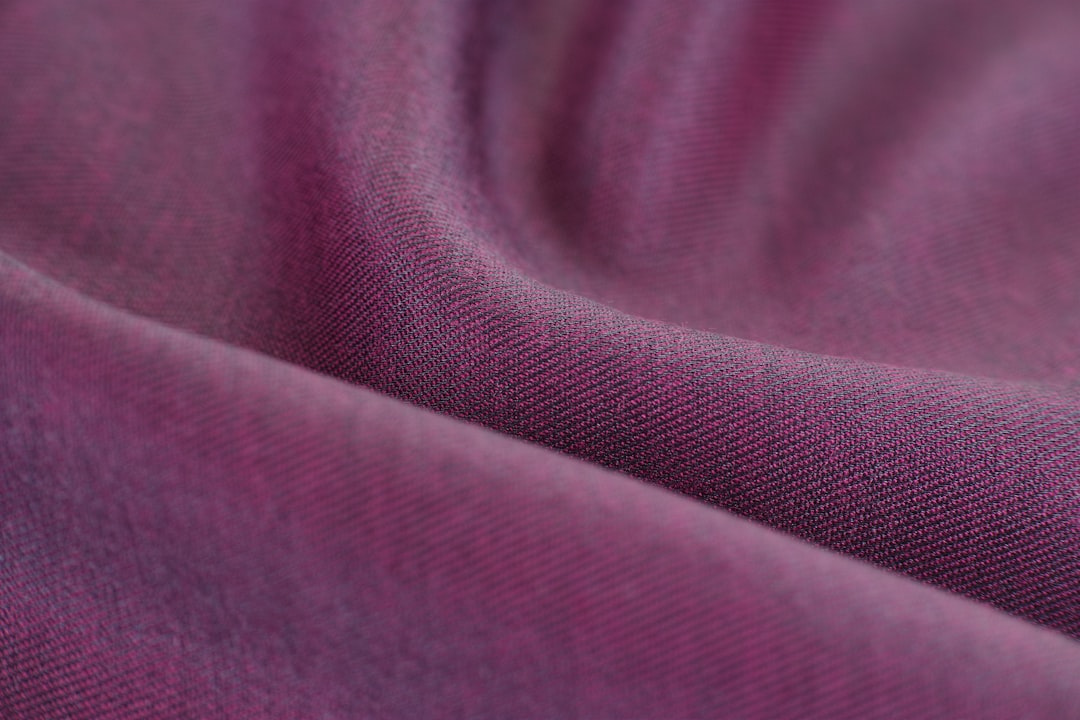
Polyester is polyester is a synthetic polymer made from petroleum-derived chemicals, specifically ethylene glycol and terephthalic acid. These react under heat and vacuum to form polyethylene terephthalate (PET), the same plastic used in water bottles. Polyester fiber is rarely used alone in garments. Manufacturers blend it with cotton for breathability, spandex for stretch, or wool for warmth. The resulting fabric keeps the wrinkle resistance and durability of polyester while borrowing comfort from natural fibers. — polyester makes up 59% of all fiber produced worldwide (Textile Exchange, 2024). That one number tells you how much the fashion industry depends on this synthetic. It is cheap, it barely wrinkles, and it dries faster than any natural fiber. But it also traps heat, sheds microplastics in the wash, and sits in landfills for centuries. This guide walks through what polyester actually is, how it compares to alternatives, and how to choose garments that work for your body shape. Best for: Athletic and activewear (moisture-wicking, quick-drying), Travel clothing that needs to look presentable out of a suitcase, Outdoor jackets, windbreakers, and performance layers. Find which fabrics suit your proportions with our free Body Shape Calculator.
Origin
British chemists John Rex Whinfield and James Tennant Dickson patented polyethylene terephthalate (PET) fiber in July 1941, working at the Calico Printers' Association in Accrington, England. They named it Terylene. The patent stayed secret until 1946 because of wartime restrictions. DuPont licensed the technology and introduced it to the American market as Dacron in 1951. By the 1970s, polyester had become synonymous with affordable, wrinkle-free clothing.
Composition
Polyester is a synthetic polymer made from petroleum-derived chemicals, specifically ethylene glycol and terephthalic acid. These react under heat and vacuum to form polyethylene terephthalate (PET), the same plastic used in water bottles. Polyester fiber is rarely used alone in garments. Manufacturers blend it with cotton for breathability, spandex for stretch, or wool for warmth. The resulting fabric keeps the wrinkle resistance and durability of polyester while borrowing comfort from natural fibers.
History of Polyester
The polyester story starts before Whinfield and Dickson. Wallace Carothers at DuPont experimented with polyester fibers in the early 1930s, but he found them too weak and shifted his focus to nylon instead. A decade later, Whinfield picked up where Carothers left off and produced a fiber strong enough for commercial use. ICI manufactured Terylene in the UK while DuPont sold Dacron in the US. The 1970s were polyester's cultural peak. Leisure suits, disco shirts, double-knit everything. That era gave the fabric a bad reputation for feeling cheap and plasticky. Modern polyester is nothing like the stiff, shiny stuff from that period. Advances in texturing, microfiber technology, and finishing treatments have made today's polyester softer and more versatile. Global production reached roughly 78 million metric tonnes in 2024, according to the Textile Exchange Materials Market Report. That is more than all natural fibers combined.
How Polyester Is Made
Polymerization
Two petroleum-derived chemicals, ethylene glycol and terephthalic acid, are heated together under vacuum. The reaction produces polyethylene terephthalate (PET) polymer, the same material found in plastic bottles. This is the base for all polyester fiber.
Extrusion
The molten PET polymer is pushed through a spinneret, a metal plate with thousands of tiny holes. Each hole produces a single continuous filament. The hole diameter and shape control how thick and round the final fiber will be.
Drawing
The fresh filaments are stretched to 3-5 times their original length while they cool. Stretching aligns the polymer molecules inside the fiber, which is where polyester gets its strength. Without this step, the fibers would be weak and brittle.
Texturing
Straight filaments are crimped, twisted, or blown with air jets to give them bulk and a softer feel. This is what separates the stiff, shiny polyester of the 1970s from the comfortable fabrics we wear today.
Weaving or Knitting
Textured yarn goes to a loom or knitting machine. The weave or knit structure determines the final fabric type: plain weave for taffeta and crepe, knit for jersey and fleece, pile knit for fleece and velour.
Finishing
The fabric is heat-set so it holds its dimensions. Then it is dyed, printed, or treated with performance finishes like moisture-wicking, anti-static, anti-odor, or UV protection. These treatments are built into the fabric at the factory and cannot be replicated at home.
Key Characteristics
- Shrinks less than 0.5% under normal washing, one of the most dimensionally stable fabrics available
- Wrinkle-resistant and holds its shape after repeated wear and washing
- Dries significantly faster than cotton or linen, since polyester absorbs very little moisture
- Color-fast: resists fading from sunlight and repeated wash cycles
- Strong fiber that resists tearing, stretching, and pilling in quality weaves
- Softens at around 255 F (124 C) and melts at 300 F (149 C), so heat damage is a real risk
- Less breathable than cotton or linen; can trap body heat in warm conditions
- Tends to hold odors because bacteria cling to synthetic fibers more than natural ones
- Pure polyester offers 10-15% elongation; blends with spandex stretch 20-40%
- Production uses about 60-136 liters of water per kilogram, far less direct water than cotton's 8,920 liters per kilogram (ICAC, 2024)
Types of Polyester
Each type has unique properties that affect how it drapes, feels, and performs in different garments.
Polyester Microfiber
Made from fibers finer than one denier (thinner than a strand of silk). The result is a soft, lightweight fabric with a natural hand-feel that works well in activewear, travel clothing, and bedding. Microfiber polyester dries fast and drapes smoothly against the body.
Polyester Fleece
A thick, insulating knit fabric made by raising polyester fibers into a fuzzy pile. Lightweight relative to its warmth, quick-drying, and the standard material for outdoor jackets and cold-weather midlayers. Fleece does pill over time, especially cheaper versions.
Recycled Polyester (rPET)
Produced from post-consumer plastic bottles or reclaimed polyester garments. Uses 30-59% less energy than virgin polyester production. Performance properties are identical to virgin polyester. Look for GRS certification to verify actual recycled content.
Polyester Crepe
A textured weave with a slightly crinkled surface and an elegant drape. Polyester crepe resists wrinkles well and works in blouses, dresses, and professional wear. The texture gives it more visual interest than a plain weave.
Polyester Taffeta
A crisp, smooth fabric with a subtle sheen. Common in linings, evening wear, and structured garments. Taffeta rustles slightly when you move, which is either a charming feature or an annoyance depending on your preference.
Polyester Jersey
A stretchy knit fabric that is comfortable and form-fitting. Used in casual dresses, tops, and loungewear. Poly-jersey blended with spandex gives 20-40% stretch while holding its shape wash after wash.
Polyester Chiffon
A sheer, lightweight polyester with an airy drape. Less expensive than silk chiffon but similar in appearance. Popular for layered tops, scarves, and formal wear. Wrinkle-resistant unlike its silk counterpart.
What Does Polyester Cost?
Polyester is one of the most affordable fabric options. A basic polyester blouse or top costs $15 to $40 at most retailers. Performance polyester activewear runs $25 to $80 depending on the brand and technology (moisture-wicking, four-way stretch, UV protection). Polyester fleece jackets range from $30 to $120. Recycled polyester (rPET) garments carry a small premium, typically 10-20% more than equivalent virgin polyester pieces. For reference, Patagonia and Adidas both charge similar prices for their recycled polyester lines as for conventional alternatives. Poly-cotton blend shirts sit in the $20 to $60 range, offering a good middle ground between comfort and budget.
How to Check Polyester Quality Before Buying
Not all polyester is the same. Cheap polyester feels slippery and plasticky; better grades feel soft and behave more like natural fabrics. When shopping, rub the fabric between your fingers. Quality polyester microfiber should feel smooth and slightly textured, not papery thin or overly shiny. Check the weight: lightweight polyester (under 150 GSM) works for linings and summer layers, while midweight (150-300 GSM) suits most garments. Heavier weights (300+ GSM) go into outerwear and fleece. Look at the garment construction too. Reinforced seams, flat-lock stitching on activewear, and proper finishing are signs that the manufacturer cared about more than just the price tag. If you are buying performance polyester, confirm that it has specific finishing treatments: moisture-wicking, anti-odor, or UV protection. These are applied during manufacturing and cannot be added later.
How to Wash and Care for Polyester
Machine wash in warm water (30-40 C). Polyester cleans easily and does not need hot water.
Tumble dry on low heat only. The fabric begins to soften at 124 C (255 F), so high dryer settings cause permanent damage and shiny scorch marks.
Remove from the dryer promptly. Polyester holds creases if left sitting in a hot drum.
Iron on the lowest "synthetic" setting (110-150 C) if needed. Place a pressing cloth between the iron and fabric to prevent scorching.
Skip fabric softener on polyester activewear. Softener coats fibers, traps odors, and reduces moisture-wicking performance.
For stubborn odors, soak garments in cold water with one cup of white vinegar per gallon for 30 minutes before washing. Baking soda in the wash cycle also helps.
Wash polyester in a microfiber-catching laundry bag to reduce microplastic release. Studies show a single wash can shed anywhere from 1,900 to over 700,000 fibers depending on fabric type and conditions.
Store polyester garments folded or on hangers. The fabric does not stretch on hangers the way knits do.
When to Use Polyester
Best For
- Athletic and activewear (moisture-wicking, quick-drying)
- Travel clothing that needs to look presentable out of a suitcase
- Outdoor jackets, windbreakers, and performance layers
- Workwear and uniforms where durability matters more than breathability
- Budget-friendly wardrobe basics and everyday pieces
- Blends with cotton or wool for wrinkle resistance without sacrificing comfort
- Swimwear and quick-dry garments for beach or pool
- Linings in blazers, coats, and structured garments
Avoid For
- Hot and humid weather casual wear (traps heat against the skin)
- Sensitive or eczema-prone skin (can cause irritation for some people)
- Sleepwear and bedding if you tend to sleep warm
- Situations where you want a premium, natural hand-feel
- Eco-conscious wardrobes unless you specifically choose recycled polyester (rPET)
Polyester for Your Body Shape
How you wear polyester matters as much as what you wear. Here are tailored tips for each body shape.
Hourglass Shape
Polyester crepe dresses follow your natural curves without stretching out over time. For workouts, look for performance polyester with compression panels that support your shape through movement.
Pear Shape
Structured polyester blazers and polyester crepe tops add visual balance to your upper body. A-line polyester skirts skim over the hips without clinging. The wrinkle-resistance makes these pieces practical for travel.
Apple Shape
Lightweight polyester microfiber drapes smoothly over the midsection without adding bulk. Choose polyester crepe over polyester jersey for a more structured, less clingy fit. Empire-waist polyester dresses work beautifully for your proportions.
Rectangle Shape
Polyester taffeta and structured polyester fabrics add volume where you want definition. A polyester peplum top (fitted with a short flared ruffle at the waist) creates shape at the waistline. Polyester dresses with ruching at the waist also work well.
Inverted Triangle Shape
Soft polyester crepe and polyester chiffon tops in relaxed fits complement broader shoulders without adding bulk up top. Pair them with fuller polyester skirts or wide-leg trousers to draw visual interest downward and create balance.
Sustainability
Polyester comes from petroleum and does not biodegrade. A polyester garment in a landfill takes an estimated 200 to 500 years to break down, according to multiple environmental assessments. During that time, it fragments into microplastics rather than actually decomposing. Washing is another issue. Research published in Nature Scientific Reports found that a single wash cycle can release 1,900 to over 700,000 microplastic fibers depending on the garment type and wash conditions. Using a microfiber-catching laundry bag reduces the number of fibers entering waterways. Recycled polyester (rPET) is the main industry response. It is made from post-consumer plastic bottles or reclaimed polyester garments, and it uses 30 to 59% less energy than producing virgin polyester. Brands like Patagonia now use recycled polyester for roughly 94% of their polyester products. The tradeoff: some studies suggest recycled polyester may actually shed more microfibers per wash than virgin polyester. On the positive side, polyester production uses far less direct water than cotton, roughly 60-136 liters per kilogram versus cotton's 8,920 liters (ICAC, 2024). If you want polyester with lower chemical risk, look for OEKO-TEX Standard 100 certification. If recycled content matters to you, look for the GRS (Global Recycled Standard) label.
Certification Standards
These third-party certifications help you verify responsible sourcing and manufacturing:
OEKO-TEX Standard 100
Tests the finished product against more than 1,000 harmful substances including prohibited azo dyes, formaldehyde, heavy metals, and PFAS. Certification is valid for 12 months and requires annual re-testing by an accredited lab. This label tells you the garment is safe to wear, but it does not address environmental or recycled content claims.
Global Recycled Standard (GRS)
Administered by Textile Exchange, GRS verifies that a product contains a minimum of 20% recycled material (the label requires 50% or more). It tracks recycled content through the entire supply chain, from raw material to finished garment. GRS also sets requirements for social and environmental practices during manufacturing.
bluesign
Focuses on the production process rather than the final product. Evaluates chemical inputs, water use, energy consumption, and worker safety throughout manufacturing. A bluesign-approved polyester fabric means the production met strict resource efficiency and safety standards.
Frequently Asked Questions
Is polyester bad for your skin?
Polyester can trap heat and moisture against the skin, which may cause irritation or rashes for people with sensitive or eczema-prone skin. Medical toxicologist Ryan Marino noted in a 2026 NPR report that polyester is not proven to cause serious health issues at normal exposure levels. For activewear where moisture-wicking matters, polyester works well. For everyday comfort against sensitive skin, cotton or Tencel blends are a better choice.
Is polyester a plastic?
Yes. Polyester fabric is made from polyethylene terephthalate (PET), the same plastic polymer used in water bottles and food containers. PET is derived from petroleum-based chemicals. The FDA lists polyester (PET) as an approved indirect food additive under 21 CFR, meaning it is considered safe for contact with food. The fact that it is a plastic is why polyester does not biodegrade and takes an estimated 200 to 500 years to break down in a landfill.
What is polyester made of?
Polyester is made by combining two petroleum-derived chemicals: ethylene glycol and terephthalic acid. These are heated under vacuum to form polyethylene terephthalate (PET) polymer, which is then melted and extruded through tiny holes to create continuous fibers. Those fibers are stretched, textured, and woven or knitted into fabric. Recycled polyester (rPET) follows the same process but starts with shredded plastic bottles or reclaimed polyester garments instead of virgin petroleum chemicals.
Can polyester shrink?
Under normal home washing conditions, polyester shrinks less than 0.5% of its original size. That makes it one of the most dimensionally stable fabrics available. Shrinkage becomes a risk above 140 F (60 C), and the fabric begins to soften at 255 F (124 C). Standard home dryers on a low setting will not cause problems. The key rule: avoid high heat. If your polyester garment shrunk, the dryer temperature was almost certainly too high.
Is recycled polyester sustainable?
Recycled polyester (rPET) uses 30-59% less energy than virgin polyester production and diverts plastic waste from landfills. Patagonia has shifted roughly 94% of its polyester use to recycled sources. The catch: rPET still sheds microplastics when washed, and some studies suggest it may shed slightly more fibers than virgin polyester. It is not biodegradable either. Think of recycled polyester as a meaningful improvement over virgin, not a perfect solution. Look for GRS (Global Recycled Standard) certification to verify actual recycled content.
How do I stop polyester from smelling?
Bacteria cling to synthetic fibers more than natural ones, which is why polyester activewear develops odors faster. Soak the garment in cold water mixed with one cup of white vinegar per gallon for 30 minutes before washing. Add baking soda to the wash cycle. Use a sport-specific detergent designed to break down oil-based odor molecules. Skip fabric softener entirely on polyester, because it coats the fibers and traps the smell instead of removing it.
Is polyester good for travel clothing?
Polyester is one of the most practical travel fabrics. It resists wrinkles, dries quickly if you hand-wash it in a hotel sink, and holds up well in a packed suitcase. A polyester blend shirt can go from your bag to a dinner table without looking rumpled. For warm-climate travel, choose polyester with moisture-wicking finishes. For cooler destinations, polyester fleece layers pack small and insulate well. Blends with cotton or Tencel add breathability for all-day comfort.
Does polyester fabric work for all body shapes?
Polyester comes in so many weave types and garment styles that it works for every body shape. Structured polyester crepe and taffeta hold their form well for tailored pieces. Polyester jersey with spandex stretches and moves with the body. The fabric you choose matters less than the garment cut. A well-cut polyester blazer complements your proportions just as well as a wool one. Use our free Body Shape Calculator to find which cuts and styles work best for your specific measurements.
Polyester vs Cotton
These two fabrics are often compared. Here's how they differ in key properties:
| Property | Polyester | Cotton |
|---|---|---|
| Breathability | Lower breathability; traps heat and moisture against the skin | Highly breathable; hollow fiber structure lets air circulate |
| Durability | Very durable; resists stretching, shrinking (<0.5%), and abrasion | Good durability but shrinks 3-5% on first wash and loses shape over time |
| Care Difficulty | Minimal care; wrinkle-free, machine washable, dries in hours | Easy to wash but wrinkles easily, dries slowly, needs ironing |
| Water Use | About 60-136 liters per kg for production (ICAC data) | About 8,920 liters per kg for production (ICAC data, 73% from rainfall) |
| Environmental Impact | Petroleum-based, not biodegradable, sheds microplastics when washed | Biodegradable, but conventional cotton uses 16% of global insecticides |
| Best For | Activewear, travel clothing, outdoor gear, performance pieces | Everyday basics, loungewear, sensitive skin, summer comfort |
How Polyester Compares
Wondering whether polyester is right for you? See how it stacks up against similar fabrics.
Polyester vs Cotton
- Price: Budget-Friendly
- Seasons: Spring, Summer, Fall, Winter
- Shrinks less than 0.5% under normal washing, one of the most dimensionally stable fabrics available
- Price: Budget-Friendly
- Seasons: Spring, Summer, Fall
- Breathable: hollow fiber structure lets air circulate against your skin
Polyester vs Linen
- Price: Budget-Friendly
- Seasons: Spring, Summer, Fall, Winter
- Shrinks less than 0.5% under normal washing, one of the most dimensionally stable fabrics available
- Price: Mid-Range
- Seasons: Spring, Summer
- Extremely breathable: linen's hollow fiber structure allows more air flow than cotton, keeping you noticeably cooler in heat
Polyester vs Silk
- Price: Budget-Friendly
- Seasons: Spring, Summer, Fall, Winter
- Shrinks less than 0.5% under normal washing, one of the most dimensionally stable fabrics available
- Price: Premium
- Seasons: Spring, Summer, Fall, Winter
- Lustrous, smooth appearance with a natural sheen that catches light
Get Fabric Care Tips
Subscribe for fabric care guides and wardrobe tips
Free weekly updates. Unsubscribe anytime.